Dayu Electronics Phased Array Transducer Customization Requirements
When customizing phased array transducers, Dayu Electronics requires customers to provide complete frequency, array structure, wiring method, and operating condition parameters for matching design and production.
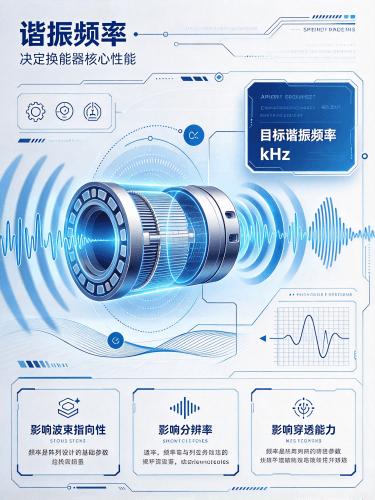
Resonant Frequency Determines Core Transducer Performance
Customers must specify the target resonant frequency of the phased array transducer in kHz. Frequency directly affects beam directivity, resolution, and penetration capability, serving as a fundamental parameter for array design.
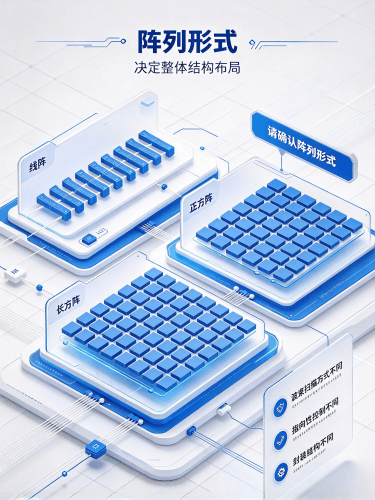
Array Configuration Determines Overall Structural Layout
Customers must specify whether to use linear array, rectangular array, or square array. Different array configurations correspond to significantly different beam scanning methods, directivity control, and packaging structures, requiring advance confirmation.
Element Arrangement Affects Beam Control Performance
The specific arrangement of array elements must be clarified, including element quantity, spacing, and row-column distribution. Element arrangement directly determines the beamforming capability and scanning angle range of the phased array.
Cable Length Must Be Determined Based on Field Installation
Customers must provide the cable length for each signal channel in meters. Cable length affects signal transmission loss and field wiring convenience, requiring confirmation based on installation water depth and junction box location.
Maximum Operating Depth Determines Packaging Pressure Rating
The maximum operating depth of the transducer in water must be specified in meters. Greater depth requires higher standards for housing sealing and pressure-resistant structure, directly affecting material selection and process design.
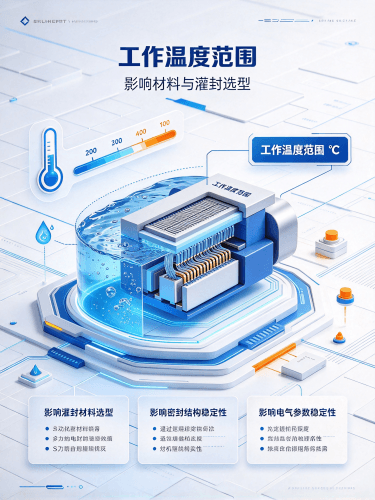
Operating Temperature Range Affects Material and Potting Selection
The minimum and maximum temperatures during underwater operation must be specified in °C. Temperature range affects the stability of transducer potting materials, sealing structure, and electrical parameters.
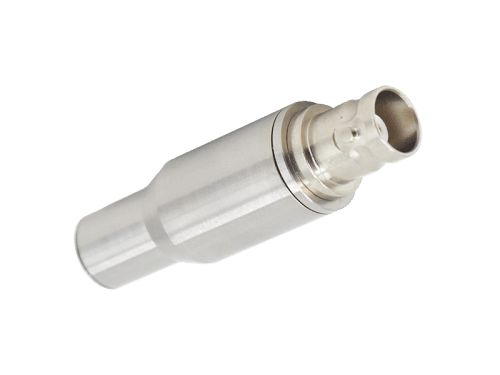
Wiring Method Typically Uses Independent Positive and Common Negative
The standard wiring method for phased array transducers is individual positive leads for each element with a common negative wire shared by all elements. For example, a 100-element phased array typically requires 101 wires: 100 positive wires plus 1 common negative wire. Special wiring methods can be specified separately during requirement confirmation.