Dayu Electronics M33 Clamp-On Level Sensor: Selection Advice for High-Pressure Tank Level Measurement
When tank pressure reaches 2.5 MPa, standard top-mounted probes and conventional radar level meters are unsuitable; clamp-on or differential pressure solutions are recommended. For a 1 m tank height, DN80 flange, 316 material, oil-water mixture, and 2.5 MPa pressure, the feasibility of the Dayu Electronics M33 clamp-on sensor solution must be verified against wall thickness and media ratio.
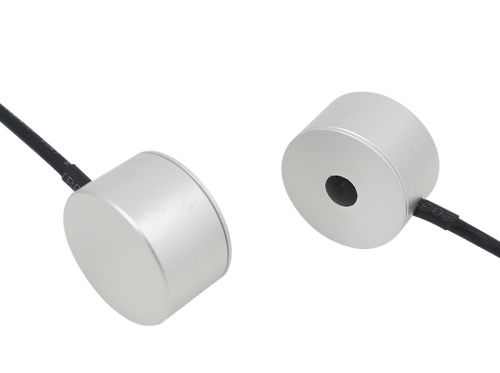
Top-mounted solutions limited by pressure and medium
2.5 MPa is a high-pressure condition where standard ultrasonic probes cannot be mounted directly on the tank top flange. Oil-water mixtures have large dielectric constant differences and unstable interfaces, making it difficult for radar level meters to accurately identify the liquid surface or oil-water interface; top-mounted radar is generally not recommended.
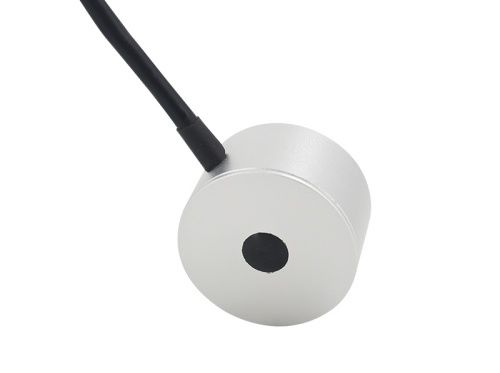
Wall thickness verification for M33 clamp-on solution
The M33 clamp-on sensor mounts on the outer bottom wall of the tank, requiring no penetration and unaffected by the internal 2.5 MPa pressure, making it suitable for high-pressure sealed tanks. However, a 10 mm wall thickness approaches the upper limit for clamp-on sensors; acoustic attenuation through 10 mm walls is significant, and the blind zone increases accordingly. It is recommended to use an 800 kHz or higher frequency probe and confirm whether the M33's effective range and blind zone at 10 mm wall thickness meet the 1 m tank height requirement.
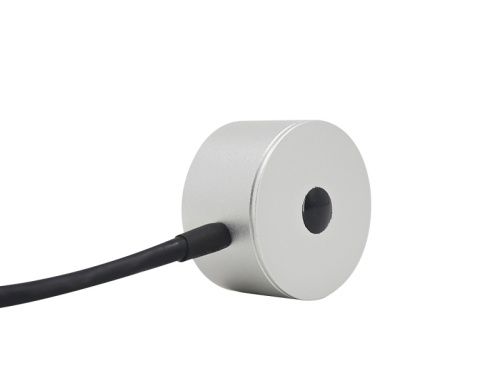
Oil-water mixture: sound velocity and interface effects
The sound velocity of oil-water mixtures differs from pure water. If the oil phase ratio is high or a distinct oil-water interface exists, clamp-on measurement requires medium sound velocity calibration; otherwise, level conversion errors will occur. If simultaneous monitoring of the oil and water layer interface is required, the clamp-on solution has limited capability and needs further evaluation.
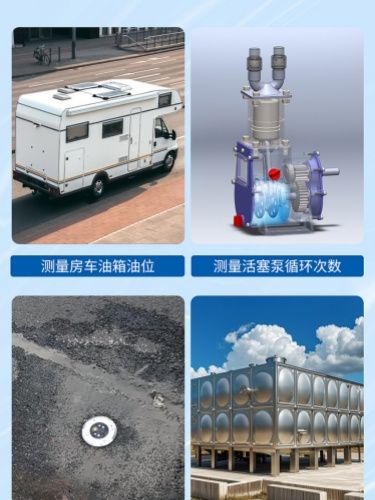
Differential pressure as an alternative for high pressure
If the clamp-on solution cannot operate stably due to wall thickness or medium issues, a differential pressure transmitter can be used. Pressure taps at the tank bottom and top measure differential pressure reflecting only the liquid column static pressure, unaffected by the 2.5 MPa tank gas pressure, making it suitable for high-pressure sealed tanks. However, this requires penetration installation, and oil-water density variations affect level conversion accuracy.
Customers are advised to provide information on oil-water ratio, whether oil-water interface discrimination is needed, actual wall thickness tolerance, and whether penetration installation is permitted. The Dayu Electronics technical team will verify the feasibility of the M33 at 10 mm wall thickness or recommend a differential pressure alternative.