Dayu Electronics Doppler Flow Meter: Causes of Abnormal Underwater Explosion Flow Velocity Measurements and Improvement Suggestions
Causes and improvement suggestions for insignificant flow velocity changes and negative velocity readings from Dayu Electronics Doppler flow meters during underwater explosions
Transient flow velocities from underwater explosions are difficult to capture accurately with conventional Doppler flow meters, mainly limited by the transient nature of explosion flow fields, strong turbulence characteristics, and the measurement method of 2D flow meters. Dayu Electronics conventional 2D Doppler flow meters are better suited for stable or slowly varying water flow monitoring and are not recommended for high-precision measurement of second-level transient processes such as explosion shock waves and bubble pulsation.
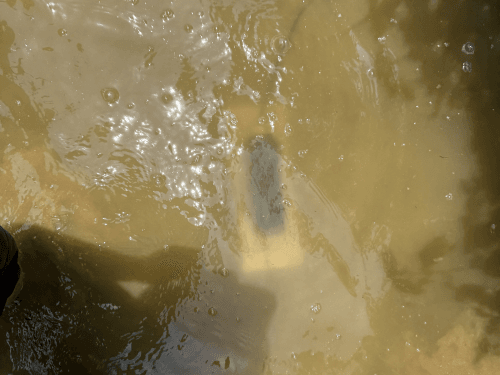
The reason for insignificant changes is a mismatch in measurement time scales
Flow velocity changes caused by underwater explosions typically last only a few seconds, while conventional 2D Doppler flow meters need to accumulate at least 8 seconds or more of data to stably output reliable flow velocity. Since the explosion process is much shorter than the instrument's effective averaging time, transient peaks are smoothed out, appearing as "insignificant changes."
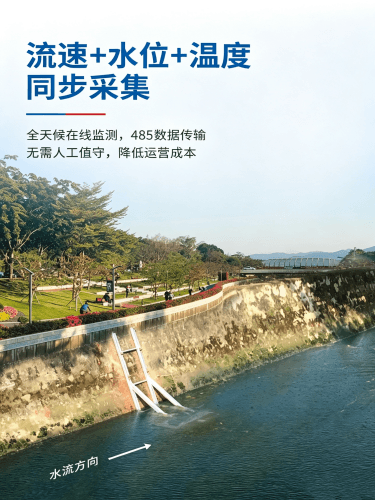
Negative flow velocity originates from strong turbulence and backflow superposition
Explosion shock waves spread outward in all directions from the explosion point, similar to light emitted from a bulb, with no fixed direction—this is typical strong turbulence or chaotic flow. The probe may at certain moments capture backflow, vortices, or bubble disturbances moving away from the installation direction, resulting in negative flow velocity readings. Doppler flow meters can inherently distinguish between forward and reverse flow velocities; negative values do not necessarily indicate equipment malfunction, but under such conditions they often reflect extremely unstable flow regimes.
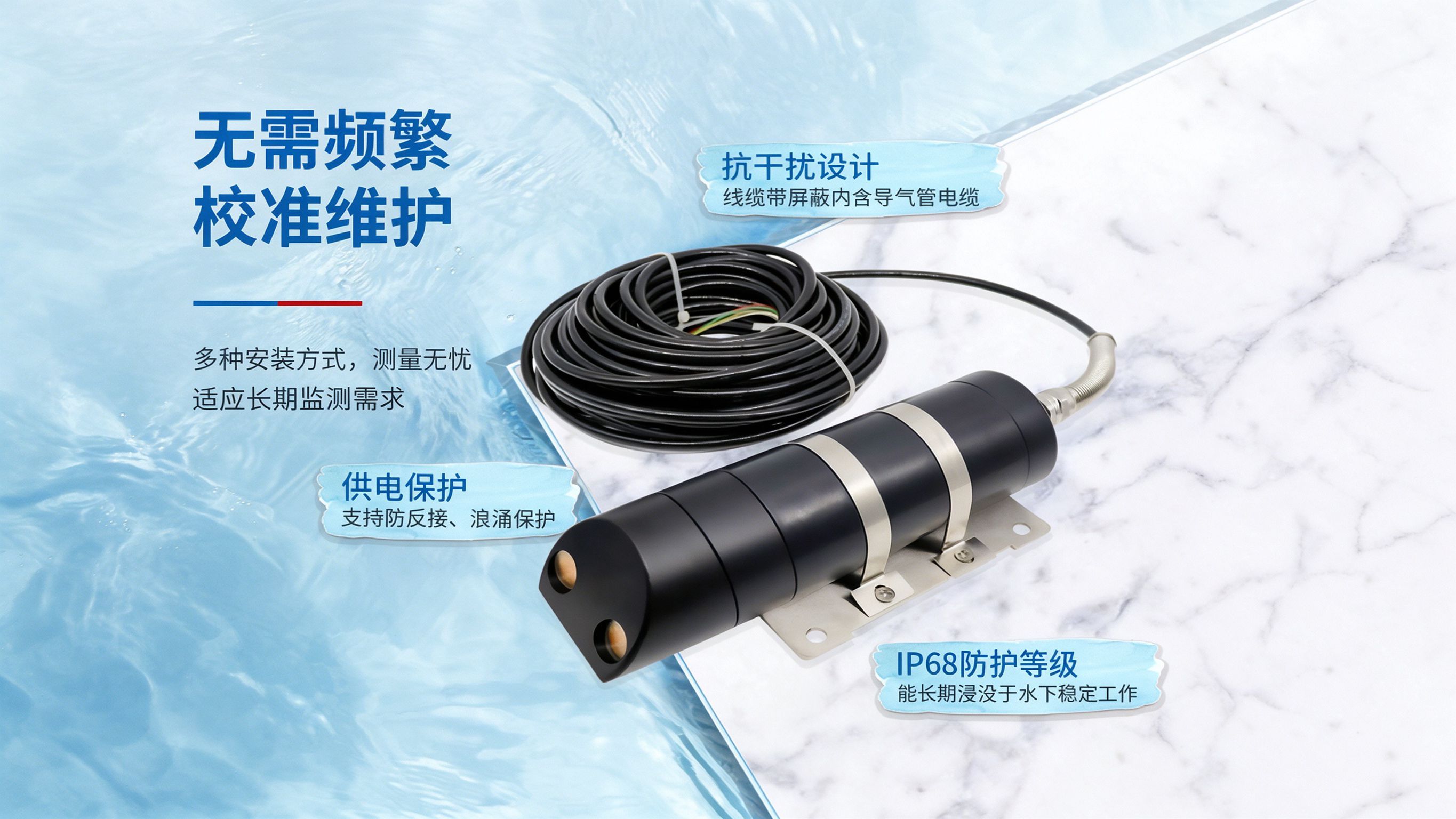
Recommend switching to a 3D flow meter with multi-point deployment
If accurate measurement of flow velocity changes around the explosion point is required, it is recommended to switch to a laboratory-grade 3D flow meter. A 3D flow meter can simultaneously measure velocity components in three directions with shorter response times, making it more suitable for capturing transient flow fields. It is also recommended to deploy at least 4 measurement points on the same plane around the explosion point, located in the front, rear, left, and right directions respectively, to reconstruct the multi-directional propagation characteristics of the explosion shock wave.
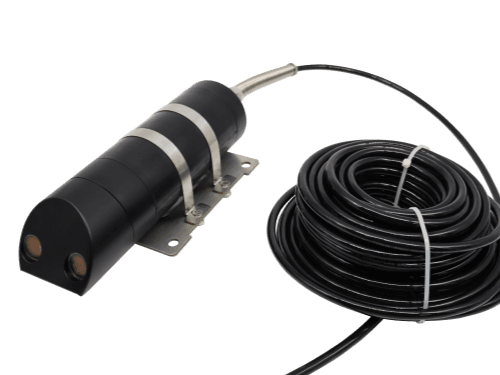
Field applications require advance evaluation of operating condition compatibility
If customers wish to continue evaluating the applicability of existing equipment, they can provide information such as explosion energy, measurement point distance, sampling frequency, installation posture, and water sediment content. The Dayu Electronics technical team can assist in determining whether data performance can be improved by increasing the sampling rate, shortening the averaging window, or adjusting the installation position.