Dayu Electronics: Solving Sidewall Echo Interference on Parshall Flume Ultrasonic Transducers
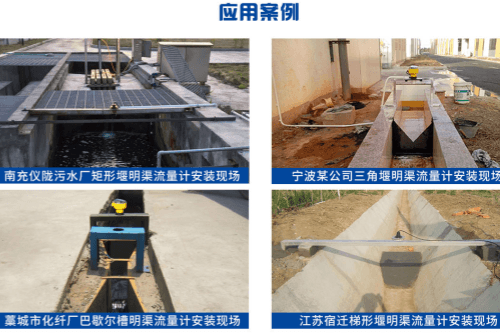
Dayu Electronics ultrasonic open channel flow meters may experience echo interference from sidewalls, brackets, or steps on No. 1-4 Parshall flumes. The main cause is mounting the transducer too high, which expands the beam coverage beyond the water surface area inside the flume. The ultrasonic beam spreads downward in a cone shape; the farther the transducer is from the water surface, the larger the irradiation range, and the more likely it is to hit the flume walls or brackets.
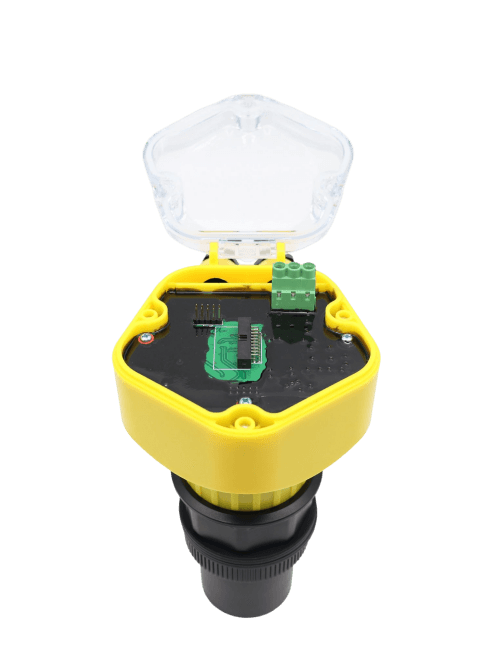
Prioritize lowering the mounting height to avoid sidewall reflections
The standard top bracket height for Parshall flumes is typically 400 mm, which can be shortened to approximately 200 mm. After lowering the transducer, the beam's irradiation diameter upon reaching the water surface is significantly reduced, effectively preventing ultrasonic waves from hitting the flume sidewalls, top brackets, or steps. When adjusting the mounting height, ensure sufficient blanking distance remains between the maximum water level and the transducer bottom surface to prevent the liquid level from entering the blind zone.
Use echo profile debugging to shield false signals
If on-site structural adjustments are inconvenient, echo processing can be performed via the instrument software. On-site personnel should access the instrument's "Echo Profile" interface, record a 10-30 second echo video, and film a 30-second video of the on-site installation, then send these to Dayu Electronics after-sales support. Based on the positions of the true water surface echo and false sidewall echoes in the echo profile, the support team will guide software menu adjustments to shield interference signals from fixed obstacles.
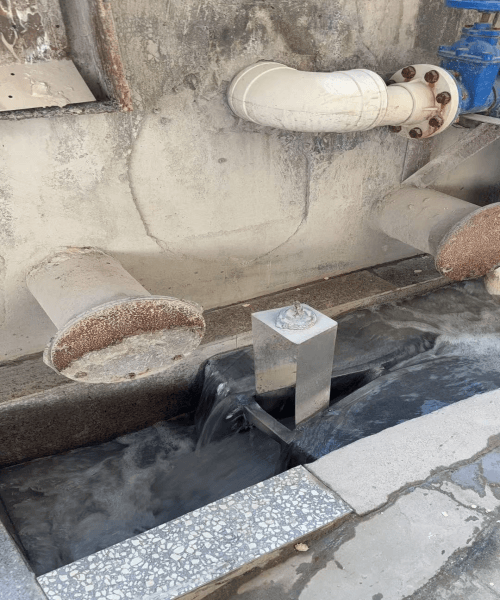
High-frequency transducers recommended for small flumes
No. 1-4 Parshall flumes have narrow bodies, making beam-to-wall contact more likely. For such conditions, the 100 kHz high-frequency transducer is recommended, as it features a smaller blind zone, allows lower mounting heights, and enables easier control of beam coverage within the flume's water surface area. No. 5 and larger Parshall flumes have wider bodies and are generally less prone to such sidewall interference.
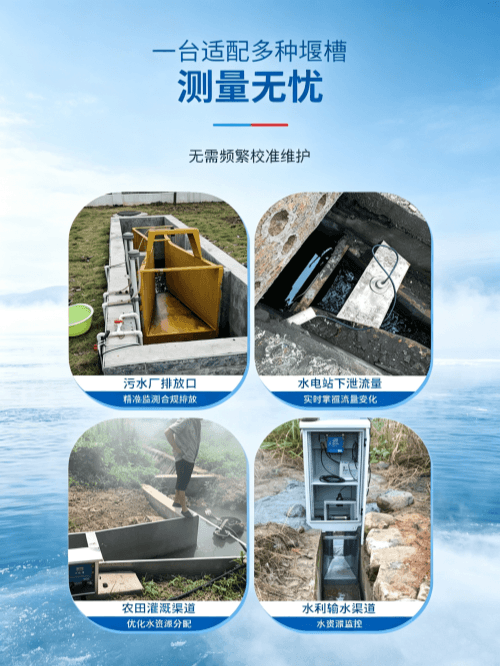
Ensure the transducer is vertically aligned with the water surface during installation
The transducer should be mounted directly above the water level observation point of the Parshall flume and kept vertically downward to avoid tilting that could deflect the beam toward the flume wall. Also check for crossbeams, brackets, calibration rods, or other obstructions beneath the transducer to ensure no extraneous reflective surfaces exist within the sound wave propagation path.