Dayu Electronics Ultrasonic Anemometer Transducer: Waterproof and Superhydrophobic Explanation
Many customers consulting Dayu Electronics about ultrasonic wind speed and direction sensors pay special attention to the waterproof performance of the transducer's emitting surface. We can give a clear answer: the emitting surfaces of our current ultrasonic anemometer transducers are inherently waterproof, fully capable of withstanding normal rain and humid environments, ensuring long-term stable outdoor operation.
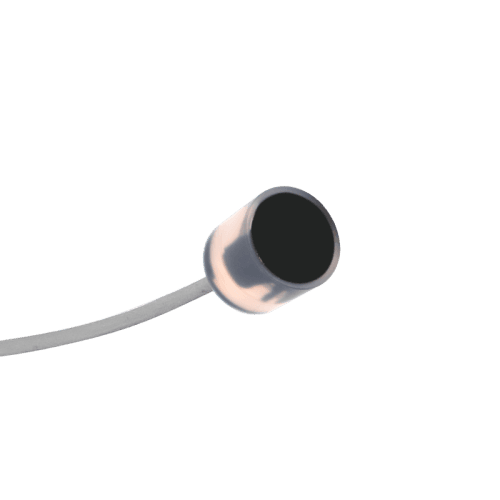
However, in actual communication, we found that some customers' definition of "waterproof" actually has higher standards. They mean not just "no water ingress," but hope that when it rains, water droplets falling on the emitting surface can slide off automatically like dew on a lotus leaf, without adhesion or residue. This property is professionally called "superhydrophobic."
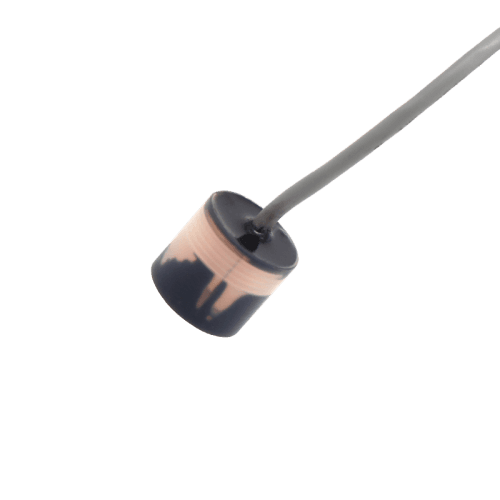
While ordinary waterproof designs can prevent rainwater from seeping into internal circuits, water droplets may still adhere to the surface. If the emitting surface is covered by a water film for a long time, it may cause slight interference to the transmission and reception of ultrasonic signals, thereby affecting measurement accuracy in extreme heavy rain weather.
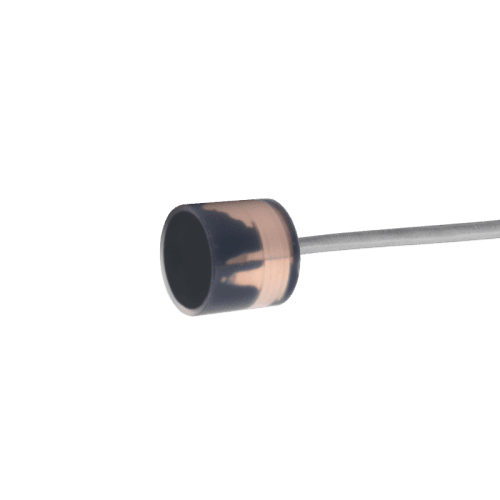
To solve this pain point, Dayu Electronics provides customized solutions. If your installation environment experiences frequent rainfall, or if you have extreme requirements for measurement accuracy, please specify before ordering. We can directly apply "superhydrophobic" treatment to the emitting surface of Dayu Electronics ultrasonic anemometer transducers during production. After this special process, the emitting surface will have extremely strong water repellency, ensuring the device remains "dry" in harsh weather, with more accurate and reliable data.