Dayu Electronics Ultrasonic Level Meter Selection Guide for 80°C Fatty Acid
Dayu Electronics ultrasonic level meters can measure 80°C fatty acid, but selection must account for high temperature, corrosion, and vapor conditions. Fatty acid is somewhat corrosive, and tanks at 80°C easily generate steam or mist, so standard ABS housings and two-wire models may not work reliably.
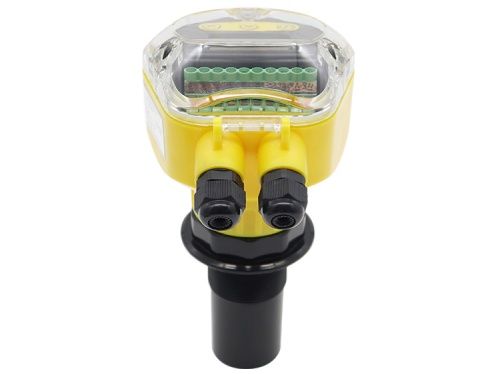
Transducer Material Must Be PTFE
When the air temperature around the probe reaches 70-80°C, a PTFE ultrasonic transducer should be used; standard ABS housing transducers are not recommended. PTFE is corrosion-resistant, heat-resistant, and resists material buildup, making it better suited for organic media like fatty acid and hot tank-top environments.
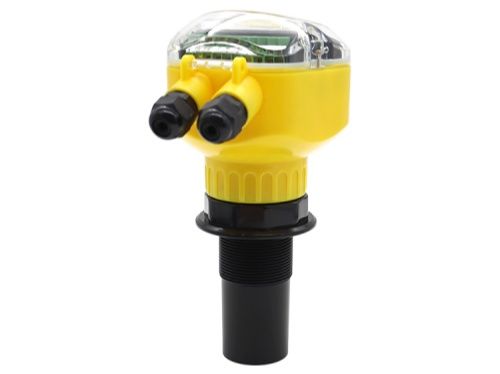
Four-Wire Power Supply Is Preferred
At 60-80°C, the ultrasonic signal attenuates noticeably from transmission to echo reflection off the liquid surface. Four-wire ultrasonic level meters typically have higher transmission power than two-wire models, delivering stronger echo signals and better measurement stability, so four-wire models are recommended.
Select a Range One Step Above the Actual Tank Height
At 80°C, the fatty acid surface easily generates steam or mist, which significantly attenuates the ultrasonic signal and may even cause echo loss. When selecting a model, choose a range larger than the actual tank height—for example, a 10 m range for a 5 m tank—to ensure sufficient echo strength in steamy conditions.
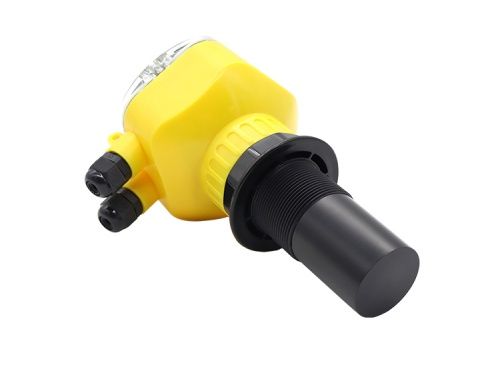
15 m Range Requires Confirmation Based on On-Site Steam Conditions
If the actual tank height is close to 15 m and heavy steam is present, a further increased range may be needed, or measures such as a remote high-temperature probe or a cooling extension tube can be used to reduce heat exposure. We recommend providing the Dayu Electronics technical team with details such as tank height, whether the tank is sealed, steam concentration, and installation location, so we can match a more suitable probe frequency, range, and structure.