Can Dayu Electronics Ultrasonic Level Meters Achieve 0.25% Accuracy?
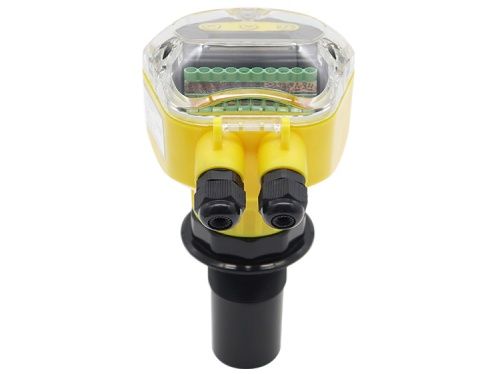
Dayu Electronics' ultrasonic level meters are typically rated at 0.5% accuracy. If a unit is indeed tested at 0.24% by the National Institute of Metrology, that result is under specific test conditions and cannot be directly treated as long-term field accuracy.
The key is how the error is calculated
Whether 0.24% is of full scale (FS) or of reading makes a big difference. For a 10m range, 0.24% FS is about 24mm; at low levels, the error by reading may be larger. We recommend requesting the test report number and conditions—only make claims with a report in hand.
Main causes of field accuracy loss
Temperature fluctuations change the speed of sound—outdoor tanks with large day-night temperature swings drift most easily. Foam, steam, and dust on the liquid surface attenuate the signal; buildup on the probe weakens transmission and reception; agitators and tank walls create interference echoes.
How to get as close to high accuracy as possible
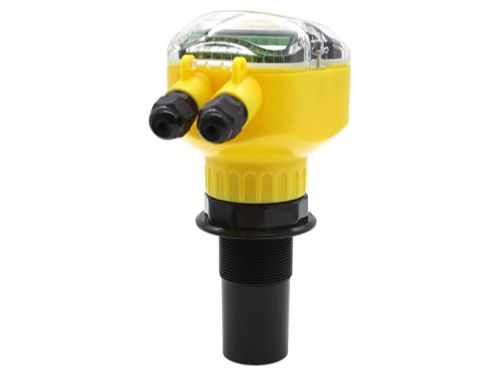
Mount the probe perpendicular to the liquid surface, away from inlets and tank walls, and allow for the blanking zone. Enable temperature compensation and proper filtering to suppress false echoes, and perform actual level calibration. For very high accuracy requirements, consider a high-frequency radar level meter.
Suggested wording for customers
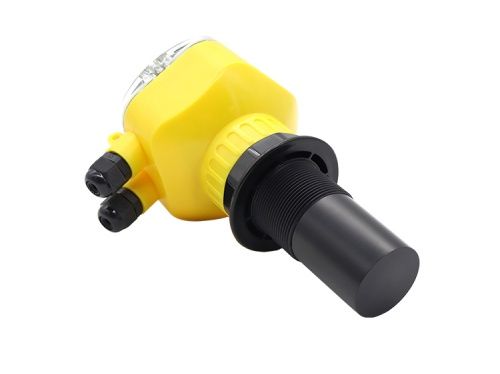
Dayu Electronics' ultrasonic level meters are rated at 0.5% under normal conditions; some models can perform better under ideal conditions—refer to the test report for each model. Whether 0.25% is achievable on-site depends on temperature differences, installation conditions, liquid surface state, and calibration. Send us your range, medium, temperature variation, and tank structure, and we'll help you decide between ultrasonic or radar.