
Integrated or Separate? Ultrasonic Level Meter Selection Guide Revealed [Dayu Electronics]
The choice between integrated and separate ultrasonic level meters indeed needs to be determined based on the specific application scenario and requirements.
The integrated ultrasonic level meter, due to its compact design and easy installation, is particularly suitable for occasions where there is no need for manual climbing for inspection and where the measured medium is not highly corrosive. For example, ground-level water pools, underground tanks, etc. At the same time, if the equipment only needs to transmit signals (such as 4-20mA or 485 signals), the integrated ultrasonic level meter is also a good choice.
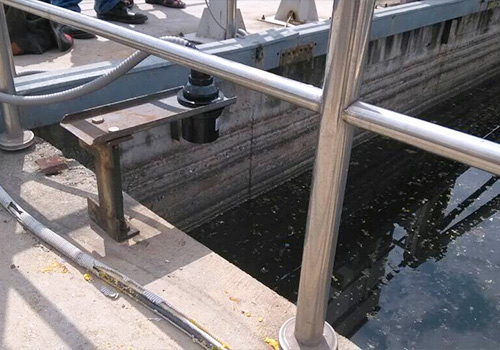
However, when facing equipment that requires manual climbing for observation (such as tanks, silos, etc.), the separate ultrasonic level meter is more suitable. Because the separate design allows the sensor to be placed at the top of the tank, while the main unit is placed below the tank for easy manual observation. In addition, if the measurement point is not suitable for manual access, or in hazardous situations, the separate ultrasonic level meter is also a good choice.
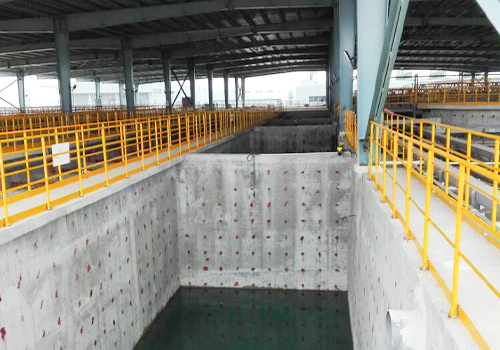
It is particularly noteworthy that if the measured medium is highly corrosive, even when using an integrated anti-corrosion ultrasonic level meter, the impact of corrosive vapors from the medium on the transmitter part needs to be considered. In this case, the separate ultrasonic level meter, due to its design characteristics, can better avoid corrosion of the circuit caused by corrosive vapors from the medium.
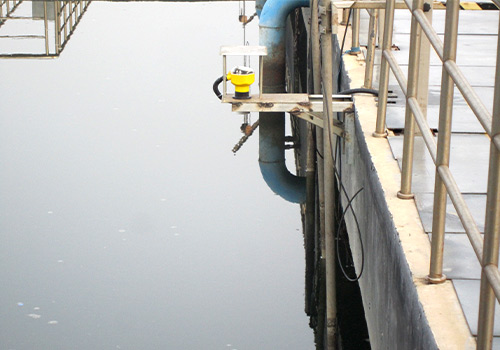
In summary, choosing correctly between integrated and separate ultrasonic level meters requires considering multiple factors, including installation environment, measurement requirements, medium characteristics, and more. We hope this information is helpful to you!