
Unveiling the Black Tech of Underwater Ranging: Understanding the Amazing Principle of Dayu Ultrasonic Sensors
Ultrasonic underwater ranging works similarly to ultrasonic ranging in air, both based on the propagation time and reflection principle of ultrasound in a medium. Below is the basic principle of ultrasonic underwater ranging:
Principle Overview
1. Transmit ultrasound: The transmitter in the ultrasonic sensor sends ultrasonic pulses into the water.
2. Ultrasonic propagation: The ultrasound propagates through the water at a certain speed until it encounters an obstacle.
3. Receive reflected wave: When the ultrasound hits an obstacle, part of the sound wave is reflected back and captured by the receiver.
4. Calculate time difference: The sensor measures the time difference from transmitting the ultrasound to receiving the reflected wave.
5. Calculate distance: The actual distance is calculated using the propagation speed of ultrasound in water and the measured time difference.
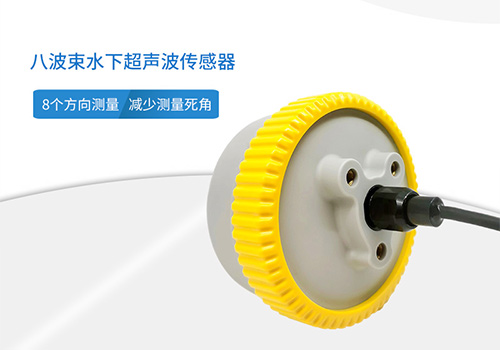
Calculation Formula
The distance L for ultrasonic ranging can be calculated using the following formula: L = 1/2 C × T
· L is the measured distance.
· C is the propagation speed of ultrasound in water.
· T is half the time difference from transmission to reception (because the sound travels to and from the target).
Key Parameters
· Propagation speed of ultrasound in water: approximately 1,482 m/s, with slight variations under different conditions (such as temperature, salinity, pressure, etc.).
· Time difference T: The time difference between transmitting the ultrasound and receiving the reflected wave.
· Measurement range: Depending on the ultrasonic frequency used, different sensors have different effective measurement ranges.
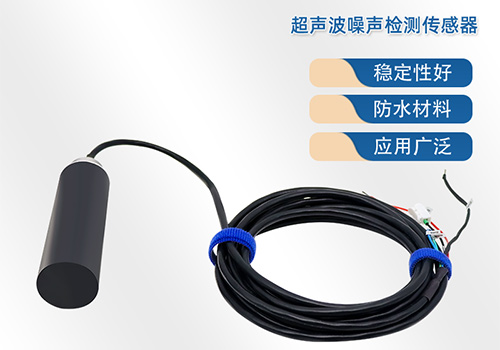
Notes
· Medium characteristics: The physical properties of water (such as temperature, salinity, etc.) affect the speed of ultrasound, so these factors need to be considered in practical applications.
· Interference factors: Suspended particles, bubbles, turbulence, etc., in the water can affect ultrasonic propagation, thereby impacting measurement accuracy.
· Multipath effect: Multiple reflections may occur in underwater environments, causing additional sound paths and thus affecting measurement results.
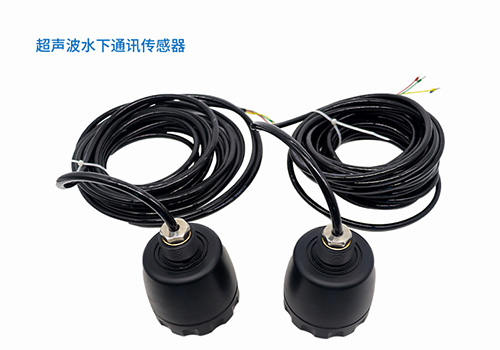
Fuzhou Dayu Electronics has been engaged in R&D and customization of ultrasonic ranging sensors and transducers for 16 years. If you have any questions about underwater ranging sensors or transducers, please feel free to contact us!