
Dayu Ultrasonic Transducer Design Guide: A Step-by-Step Approach to Tackle Gas and Liquid Challenges
When measuring gases and liquids, ultrasonic transducers (typically as part of ultrasonic sensors) face different requirements and challenges. These requirements mainly involve the transducer's material selection, structural design, and adaptability to the working environment.
Requirements for ultrasonic transducers in gas measurement
Material selection:
Piezoelectric ceramics: Due to their high sensitivity and wide frequency range, piezoelectric ceramics are commonly used materials in gas ultrasonic sensors. They can effectively convert electrical energy into ultrasonic waves and convert them back into electrical energy upon receiving reflected waves.
Metals: Although metals are primarily used for electrical and thermal conductivity, in certain gas measurement applications, metal films or metal composite materials may also be used as components of the transducer to enhance its mechanical strength and corrosion resistance.
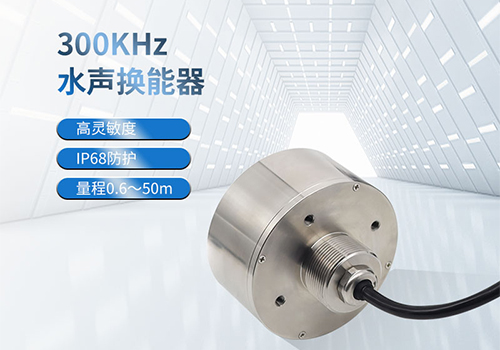
Structural design:
Ultrasonic propagation in gases is relatively fast, and interactions between gas molecules are weak, so the transducer design needs to be optimized to ensure efficient transmission and reception of ultrasonic waves.
The surface of the transducer should be as smooth as possible to reduce scattering and interference, improving measurement accuracy.
Adaptability to working environment:
Gas measurement may involve high temperature, high pressure, or corrosive environments, so the transducer must have good resistance to high temperature, high pressure, and corrosion.
Impurities and particulate matter in the gas may also damage the transducer, so protective measures such as filters or protective covers should be considered.
Requirements for ultrasonic transducers in liquid measurement
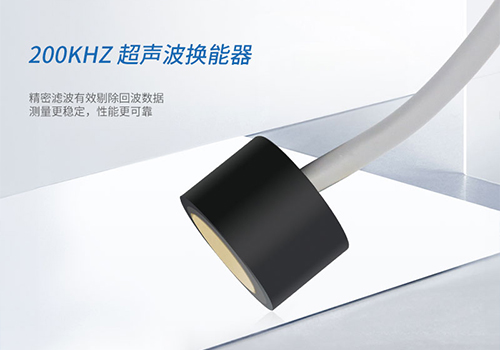
Material selection:
In addition to piezoelectric ceramics, ceramic materials are also widely used in liquid measurement. The high resistivity and good resistance to electromagnetic interference of ceramics make them an ideal choice for transducers in liquid environments.
For measuring corrosive liquids, transducers made of special alloys or composite materials may be required.
Structural design:
Ultrasonic propagation in liquids is slower, and interactions between liquid molecules are stronger, which may cause attenuation and scattering of the acoustic wave during propagation. Therefore, the transducer design needs to be optimized to compensate for these effects.
The installation position and orientation of the transducer also need careful consideration to ensure that ultrasonic waves are accurately directed at the liquid surface and effective reflected waves are received.
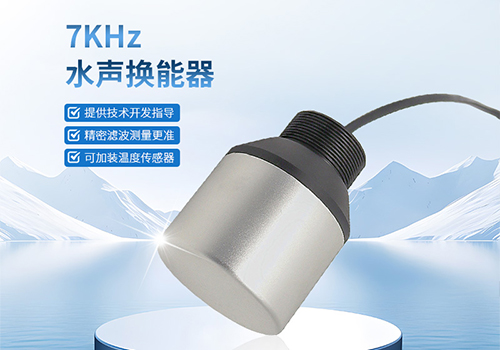
Adaptability to working environment:
Liquid measurement may involve liquids with various temperatures, pressures, and chemical properties, so the transducer must have good resistance to temperature, pressure, and corrosion.
Bubbles, suspended solids, or impurities in the liquid may also affect the measurement, so appropriate cleaning and maintenance measures should be considered.
In summary, the requirements for ultrasonic transducers in gas and liquid measurement differ in focus. Material selection, structural design, and adaptability to the working environment all need to be optimized and adjusted according to the specific application scenario.