
Unveiling the Challenges of Foam Thickness Measurement: Dayu Ultrasonic Level Meter's Challenges and Solutions
Ultrasonic level meters perform excellently in measuring liquid levels, but when we consider measuring foam thickness, the situation becomes complex. First, we need to clarify the working principle of an ultrasonic level meter: it emits ultrasonic pulses that reflect off the liquid surface, and by measuring the time difference between the transmitted and received pulses, it calculates the liquid level.
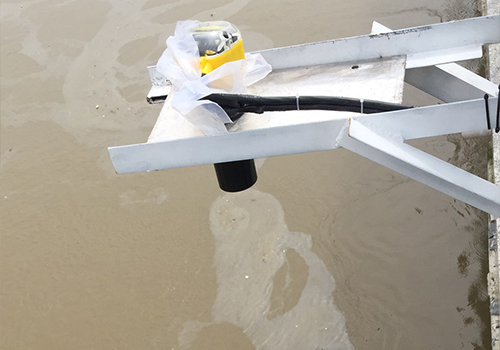
However, foam, as a special medium, has an uneven surface filled with gas bubbles, which significantly impacts ultrasonic reflection. Specifically, the bubbles on the foam surface scatter ultrasonic waves, weakening the reflected signal or generating multiple chaotic reflections, thereby increasing measurement difficulty and error.
Additionally, the thickness and density of the foam affect the ultrasonic wave's penetration ability and reflection characteristics. If the foam layer is too thick or too dense, the ultrasonic wave may not effectively penetrate the foam layer to reach the liquid surface, or the reflected signal may be too weak to be accurately measured.
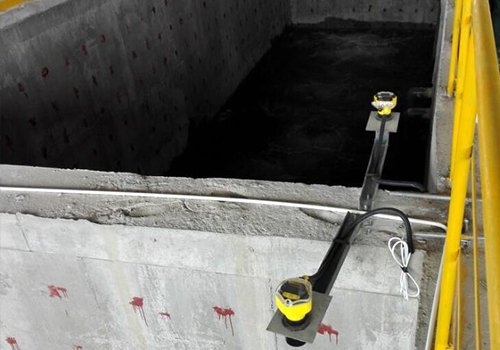
Therefore, although it offers high precision and reliability in measuring liquid levels, measuring foam thickness presents numerous challenges. In practical applications, if measuring foam thickness is indeed necessary, other more specialized measurement equipment or methods may need to be considered, such as laser measurement, optical imaging, etc.
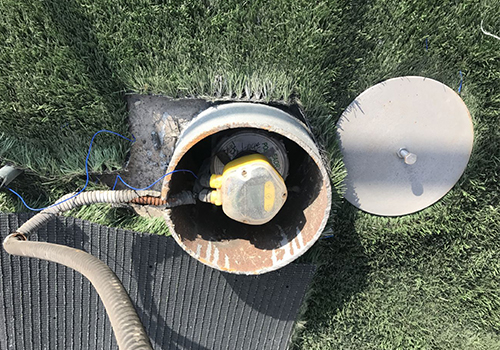
At the same time, the precautions you mentioned regarding the use of ultrasonic level meters during measurement are crucial. Especially when measuring liquids containing foam, more attention should be paid to the installation position of the probe, interference from the surrounding environment, and the cleaning and maintenance of the probe to ensure measurement accuracy and reliability.
In summary, ultrasonic level meters are not suitable for directly measuring foam thickness, but under specific conditions or after special processing, a certain degree of measurement may be achievable. However, to obtain more accurate measurement results, it is recommended to use more specialized measurement equipment or methods.