
Stop Choosing Flowmeter Transducers Blindly! Precision Measurement Tips Here [Dayu Electronics]
When selecting a transducer for an ultrasonic transit-time river flowmeter, it is essential to base the choice on the river width and the specific application scenario. Here are some specific selection recommendations:
1. Selecting the transducer based on river width
For rivers 10 to 50 meters wide:
Frequency: Although the 300KHz you mentioned is a common ultrasonic transducer frequency range, in practice, the selection may need to be determined based on specific measurement accuracy and signal attenuation. Generally, the higher the frequency of an ultrasonic transducer, the higher the measurement accuracy may be, but the faster the signal attenuates.
Model: The DYW-300K-300F model you mentioned may be suitable for this width range, but please note that the selection of a specific model also needs to consider other factors, such as installation conditions, fluid characteristics, etc.
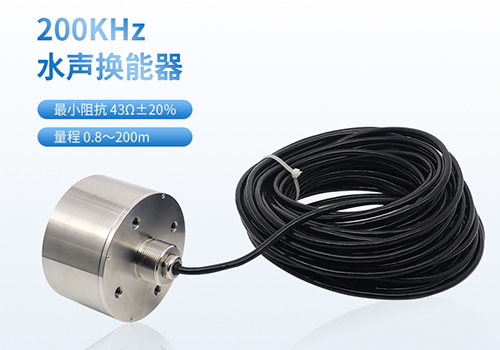
For rivers 50 to 200 meters wide:
Frequency: The 200KHz transducer is commonly used in wider rivers or open channels, because the signal at this frequency has better propagation performance and lower attenuation.
Model: The DYW-200K-200F-CTY model is a transducer suitable for this width range, and its broadband design provides stronger signals, thus improving measurement accuracy and stability.
2. Other selection factors
Fluid characteristics:
If the water flow in the river contains a significant amount of solid particles or impurities, it may be necessary to choose a transducer with higher sensitivity and stronger anti-interference capability.
For fluids containing bubbles or suspended matter, a Doppler ultrasonic flowmeter may be a better choice, because it can measure the flow velocity of such complex fluids more accurately.
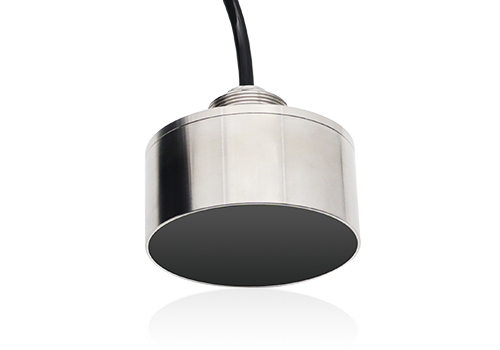
Installation conditions:
The installation position and method of the transducer significantly affect the measurement results. When selecting a transducer, factors such as the riverbed structure, flow velocity distribution, and the mounting bracket of the transducer need to be considered.
Some transducers may feature wet-installation capability, which is very useful for installation without stopping the water flow.
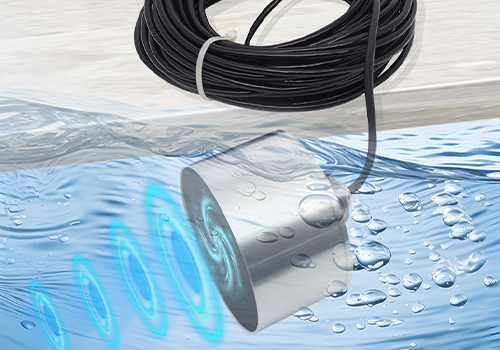
Measurement accuracy and stability:
Different transducers may vary in measurement accuracy and stability. When selecting, it is necessary to weigh these factors based on actual requirements.
Generally, transducers with high sensitivity and high stability provide more accurate measurement results, but they may also be more expensive.