
How Dayu Ultrasonic Water Level Meters Become a Killer Tool for Ecological Flow Monitoring at Hydropower Stations
With growing global awareness of environmental protection, ecological flow monitoring during the operation of hydropower stations, an important component of clean energy, has become crucial. Ultrasonic water level meters, with their unique advantages, demonstrate extremely high application value in ecological flow monitoring projects at hydropower stations.
Precise Monitoring
Ultrasonic water level meters calculate water level height based on the time difference between ultrasonic emission and reception, achieving measurement accuracy at the millimeter level or even higher, which is essential for ensuring hydropower stations release ecological flow in accordance with environmental requirements. Accurate water level data helps managers precisely assess water resource utilization and promptly adjust the balance between power generation and ecological protection.
Real-Time Feedback
The real-time transmission function enables ultrasonic water level meters to send water level data to management systems instantly, greatly improving the response speed of hydropower stations to unexpected situations. For example, during rainy or dry seasons, managers can quickly adjust power generation plans based on real-time water level data to ensure downstream ecosystems receive sufficient flow support.
Automatic Calibration
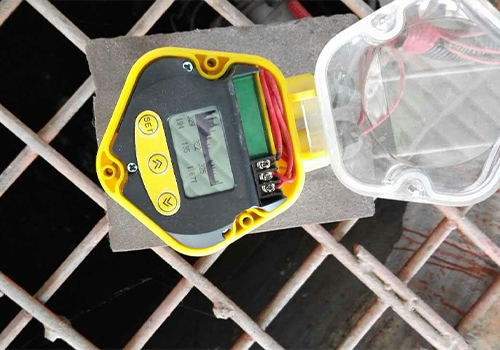
The automatic calibration function is another major highlight of the ultrasonic water level meter. This feature reduces the need for manual intervention, not only improving work efficiency but also avoiding the impact of human errors on measurement data. Automatic calibration ensures long-term stability and reliability of data, providing a solid foundation for ecological flow monitoring.
Strong Adaptability
Ultrasonic water level meters are unaffected by environmental factors such as water quality, flow velocity, and water temperature, enabling stable operation under various complex hydrological conditions. For hydropower stations, this means that whether in clear rivers or during turbid flood seasons, ultrasonic water level meters can provide accurate water level data.
Easy Maintenance
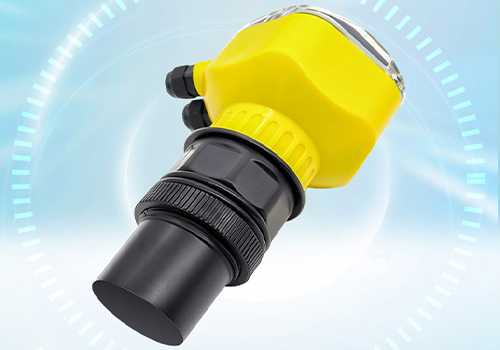
The non-contact measurement method reduces direct contact between the equipment and water bodies, thereby lowering the risk of corrosion, clogging, and other issues. This not only extends the equipment's service life but also reduces the frequency and difficulty of maintenance work, lowering maintenance costs.
Remote Monitoring
Remote monitoring is an important trend in modern hydropower station management. Ultrasonic water level meters support remote data transmission, allowing managers to view water level data in real-time via the Internet from anywhere, enabling remote management and decision-making. This not only improves work efficiency but also reduces labor costs, achieving intelligent management of hydropower stations.
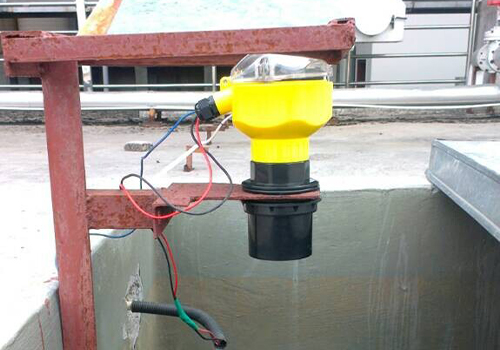
In summary, ultrasonic water level meters play an indispensable role in ecological flow monitoring projects at hydropower stations. With continuous technological advancements and the expansion of application scenarios, ultrasonic water level meters are expected to demonstrate their unique advantages and value in more fields.