
Unveiling the Selection Guide for Dayu Anti-Corrosion Ultrasonic Level Transmitters
Integrated anti-corrosion ultrasonic level transmitter for monitoring level changes in chemical storage tanks involves several key considerations, including probe material selection, instrument range setting, frequency selection, and blind zone control. The following is a detailed analysis of these issues:
I. Probe Material Selection
Advantages of PVDF Material Probes:
Corrosion Resistance: PVDF (polyvinylidene fluoride) is a high-performance plastic material with strong corrosion resistance and chemical stability, capable of resisting erosion from various corrosive media such as acids, alkalis, and salts. Therefore, using PVDF as the material for anti-corrosion probes ensures long-term use without damage in corrosive environments like chemical storage tanks.
Physical Properties: PVDF also exhibits good mechanical strength, wear resistance, and weatherability, meeting the operational requirements of ultrasonic level transmitters under complex working conditions.
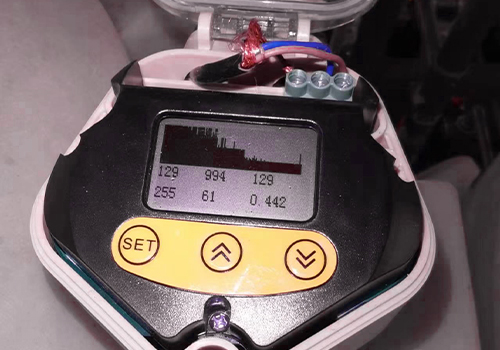
II. Instrument Range Setting
Considerations:
Signal Enhancement in Enclosed Spaces: In closed spaces like chemical storage tanks, ultrasonic signals may be enhanced due to reflection and refraction, affecting measurement accuracy. Therefore, this factor must be fully considered when setting the instrument range.
Range Selection: Typically, the range of integrated anti-corrosion ultrasonic level transmitters can be customized based on actual needs, with common specifications including 0-3m, 5m, 8m, 10m, 15m, 20m, and 60m. When selecting the range, it should be determined based on the actual height of the storage tank and the range of level changes to ensure measurement accuracy and reliability.
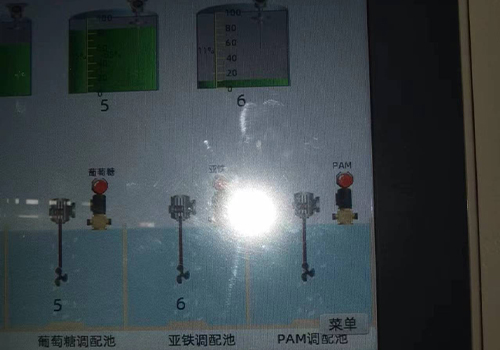
III. Frequency Selection
Trade-off Between High and Low Frequencies:
High-Frequency Signals: Higher-frequency ultrasonic signals attenuate faster during propagation but offer higher resolution, making them suitable for applications requiring high measurement accuracy. However, in enclosed spaces, high-frequency signals may cause interference due to multiple reflections.
Low-Frequency Signals: Lower-frequency ultrasonic signals propagate over longer distances with slower attenuation but offer relatively lower resolution. In enclosed spaces, low-frequency signals may be more susceptible to environmental factors.
Comprehensive Selection: Therefore, when choosing the frequency for ultrasonic level transmitters, factors such as measurement accuracy, environmental interference, and signal attenuation should be considered comprehensively. For enclosed spaces like chemical storage tanks, a model with a slightly higher frequency but not overly extreme can be selected to balance signal strength and measurement accuracy.
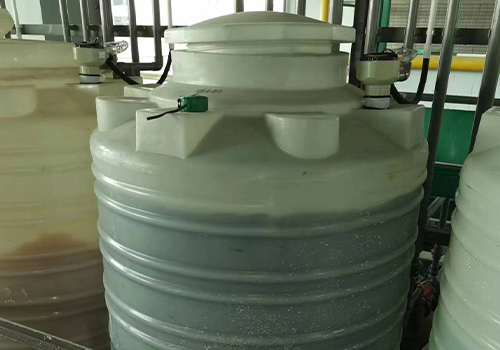
IV. Blind Zone Control
Impact of Blind Zone on Measurement:
Blind Zone Definition: The blind zone refers to the area that the ultrasonic level transmitter cannot accurately detect during measurement. This is typically caused by the need for a time difference between transmission and reception of ultrasonic waves to calculate distance.
Blind Zone Control: For chemical storage tanks, the presence of a blind zone can affect the accuracy of level measurement. Therefore, when selecting an ultrasonic level transmitter, models with a smaller blind zone should be preferred. Additionally, during installation, attention should be paid to adjusting the position and orientation of the probe to minimize the impact of the blind zone on measurement.
In summary, when using integrated anti-corrosion ultrasonic level transmitters to monitor level changes in chemical storage tanks, it is necessary to comprehensively consider multiple aspects, including probe material, instrument range setting, frequency selection, and blind zone control. Through reasonable selection and installation adjustments, accurate and reliable operation of the ultrasonic level transmitter in chemical storage tanks can be ensured.