
Measuring Water Flow Velocity: Key Differences Between Dayu Acoustic Current Meters and Doppler Current Meters You Should Know
In terms of measurement accuracy, acoustic current meters and Doppler current meters each have their own characteristics.
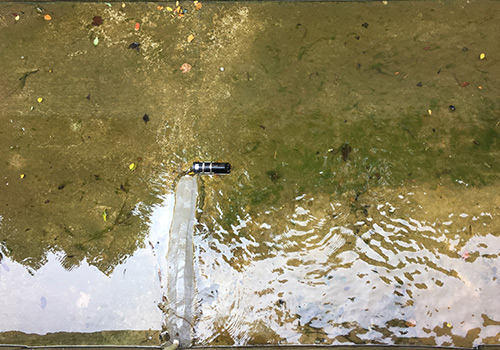
The measurement accuracy of an acoustic current meter is mainly affected by the propagation characteristics of sound waves in water, as well as the performance limitations of the device itself. Its measurement accuracy typically falls within a certain range, such as ±2–3% of the flow velocity.
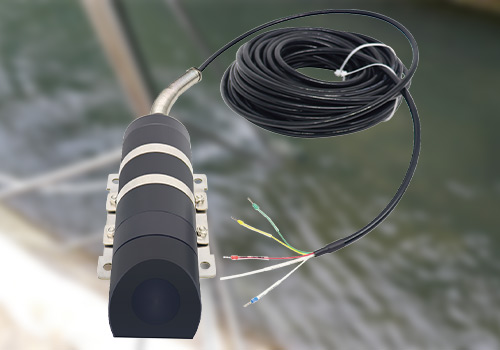
In contrast, the Doppler current meter measures water flow velocity using the Doppler effect and ultrasonic principles, and its accuracy is influenced by the random presence of scattering particles or bubbles, variations in fluid sound transmission performance, and device performance. However, Doppler current meters generally offer higher measurement accuracy; for example, in some products, the flow velocity discrimination can reach 0.001 m/s, and the flow velocity accuracy can reach 0.001 m/s or 0.3% of the actual peak velocity (whichever is greater) at a flow velocity of 5 m/s.
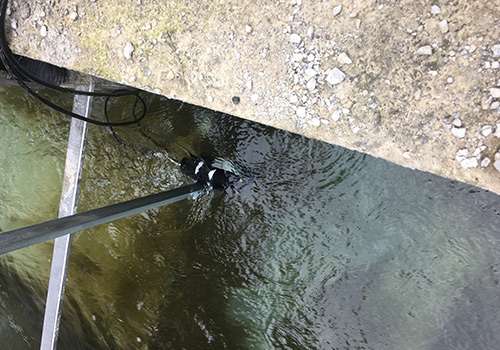
It should be noted that measurement accuracy is not only related to the instrument itself, but is also affected by factors such as the measurement environment and operating methods. Therefore, in practical applications, it is necessary to select the appropriate current meter based on specific needs and conditions, and to follow correct operating procedures and precautions to ensure the accuracy and reliability of the measurement results.