
How to Install an Ultrasonic Level Difference Meter to Avoid Sewage Treatment Pitfalls! [Dayu Electronics]
When using an ultrasonic level difference meter on a sewage tank, there are indeed some key points to pay attention to in order to ensure accurate and stable operation. The following are the steps and precautions for using an ultrasonic level difference meter, organized based on the information you provided:
1. Installation position selection:
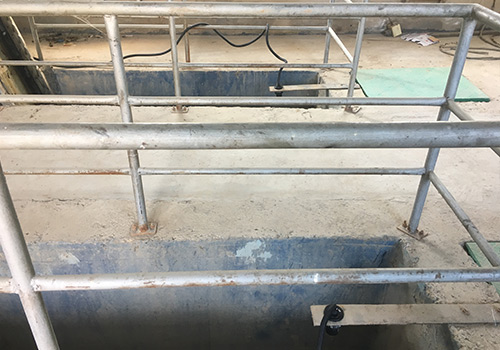
Ultrasonic level difference meter should be installed in the pump room, but away from highly corrosive environments to prevent damage that could lead to inaccurate measurements.
Consider the depth of the sewage tank when selecting the installation position to ensure the measurement range matches actual needs.
Avoid installing the level difference meter in areas with dust or other debris that could affect its normal operation.
2. Use with other equipment:
The ultrasonic level difference meter typically needs to be used in conjunction with equipment such as pump rooms, pumping stations, and sewage pumps to ensure that level data is transmitted to the control system in real-time and accurately.
3. Installation precautions:
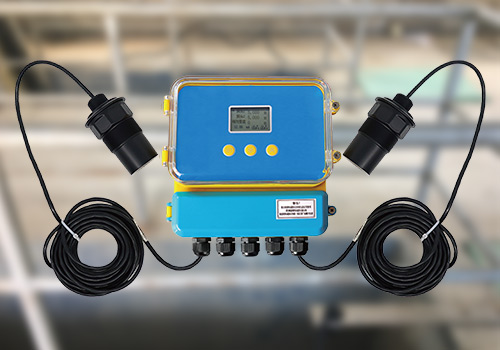
During installation, ensure there are no obstacles between the ultrasonic level difference meter and the liquid surface, so that ultrasonic waves can propagate and be received normally.
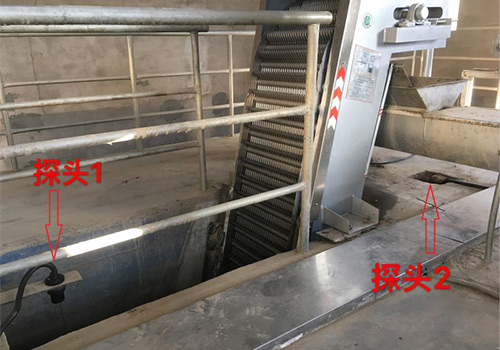
Ensure the installation angle is correct. In general, the ultrasonic level difference meter should be installed on a horizontal plane and aligned with the direction of the transmitting and receiving probes.
Use appropriate installation methods (such as threaded connection or flange connection) to securely fix the level difference meter in place, preventing it from shaking or vibrating.
4. Commissioning and calibration:
Before formal use, commission and calibrate the ultrasonic level difference meter to ensure the accuracy of its measurement results.
Adjust the measurement range and parameter settings of the level difference meter according to the actual liquid level conditions in the sewage tank.
5. Regular inspection and maintenance:
Regularly inspect the sensor and instrument of the ultrasonic level difference meter to ensure its surface is clean and free from dust or stains.
If necessary, calibrate and maintain the level difference meter to ensure its long-term stable operation.
By following the above steps and precautions, you can ensure that the ultrasonic level difference meter operates accurately and reliably on the sewage tank, providing strong support for the operation of the sewage treatment system.