
Stainless Steel Housing: Unlocking the Anti-Interference Mystery of Ultrasonic Transducers! [Dayu Electronics]
During the development of ultrasonic transducers, if strong interference signals are present, in addition to circuit interference, electromagnetic interference may also occur. Choosing ultrasonic transducers with stainless steel housings can help reduce electromagnetic interference.
The impact of electromagnetic interference on transducer performance should not be underestimated. A stainless steel housing is indeed an effective electromagnetic shielding measure, as its excellent electrical conductivity can effectively isolate external electromagnetic field interference. Meanwhile, electromagnetic shielding technology and proper circuit layout and wiring design are also important methods to reduce electromagnetic interference. In practical applications, these measures often need to be selected and adjusted based on specific conditions to achieve optimal anti-interference results.
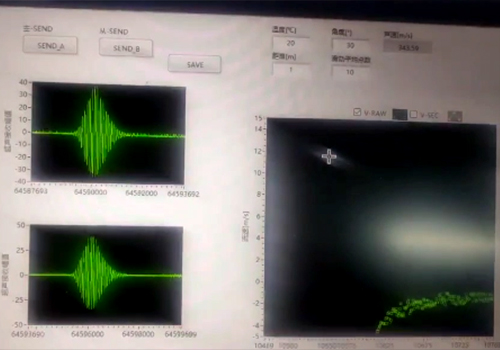
However, methods to reduce electromagnetic interference are not limited to selecting a specific housing material. In the design and development of ultrasonic transducers, electromagnetic shielding techniques can also be considered, such as adding an electromagnetic shielding layer or using electromagnetic shielding materials to further improve anti-interference capability.
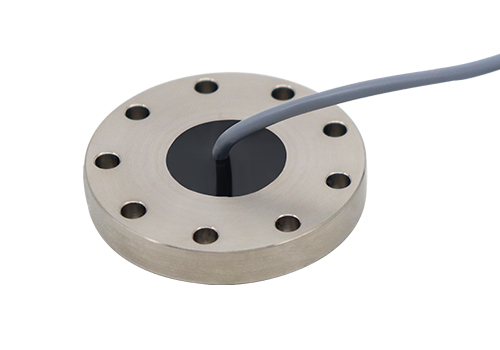
In the actual development process, we also need to conduct in-depth analysis of the transducer's working environment and interference sources to more accurately identify the source of interference and take targeted measures to suppress it. In addition, for the working performance of ultrasonic transducers, we need to conduct regular testing and calibration to ensure stable and accurate operation.
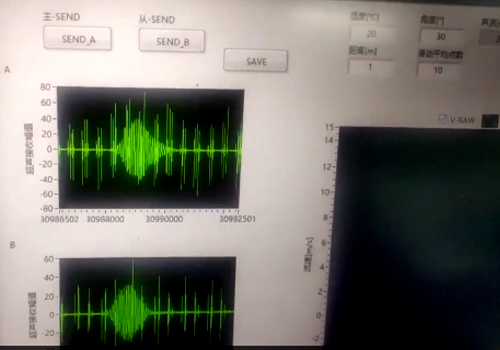
Moreover, reasonable circuit layout and wiring design can also effectively reduce electromagnetic interference. For example, sensitive circuits can be separated from circuits that may generate interference, and shielded wires or coaxial cables can be used to reduce interference during signal transmission.
By comprehensively considering multiple factors and selecting appropriate methods and measures, electromagnetic interference can be more effectively reduced, ensuring the stable operation of ultrasonic transducers.