
Four Taboos in Installing Guided Wave Radar Level Transmitters: Are You Guilty? [Dayu Electronics]
A guided wave radar level transmitter should not be installed in the center of a metal tank, mainly because metal tanks generate echo signals that can interfere with the measurement process of the guided wave radar level transmitter, thereby affecting its measurement accuracy. During installation, special care must be taken to avoid any substances between the metal tank and the guided wave radar level transmitter, as these substances may also adversely affect measurement accuracy.
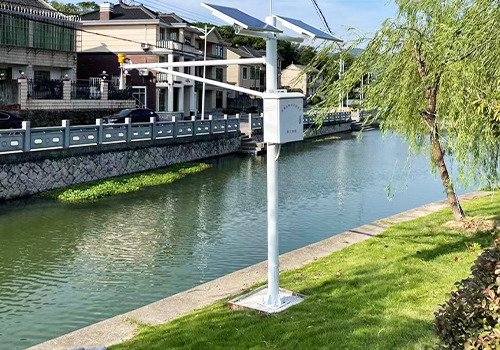
In addition, the following precautions should be observed when using guided wave radar level transmitters:
1. Pay attention to the cable length: The cable should be neither too long nor too short. An excessively long cable may affect signal transmission and reception, while a cable that is too short may result in insufficient measurement accuracy.
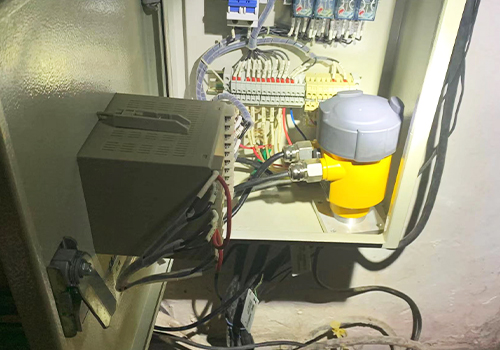
2. Avoid joints and damage: During installation, ensure that the cable has no joints or damage, as these issues may affect measurement accuracy.
3. Appropriate installation force and position: When installing, avoid excessive force or installing too high, as this may cause the guided wave radar level transmitter to malfunction or fail to operate properly.
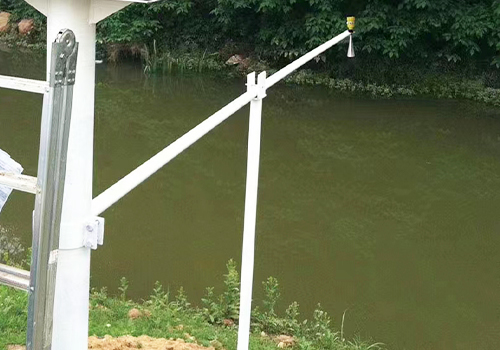
4. Maintain distance from other instruments: The installation position of the guided wave radar level transmitter should be kept at a certain distance from other instruments to avoid mutual interference and ensure measurement accuracy.
Following these precautions can ensure accurate measurement and stable operation of the guided wave radar level transmitter, improving production efficiency and reducing maintenance costs.