
How to Select the Right Ultrasonic Level Meter in Steam Environments [Dayu Electronics]
A wastewater treatment plant in Kunming, Yunnan, needed to measure the level in a tank—but there was a problem! In a tank up to 5 meters high, steam filled the air and there was no ventilation, which can affect ultrasonic measurements. So, how should the right ultrasonic level meter be selected?
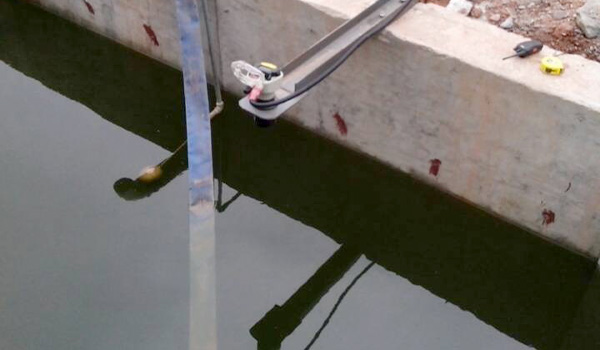
First, we need to determine the nature of the liquid and its maximum temperature. If the liquid temperature is below 80°C, we can choose based on the characteristics of different liquids:
1. For highly volatile liquids such as ketones and benzene, ultrasonic level meters are not recommended because their error is relatively large, possibly reaching 5–25%!
2. For volatile and highly corrosive liquids such as hydrochloric acid, sulfuric acid, and nitric acid, we can choose a corrosion-resistant probe and increase the range by 100% to ensure normal measurement. However, note that increasing the range also increases the size of the blind zone!
3. For non-volatile liquids such as water and lime slurry, we can also choose a corrosion-resistant probe and increase the range by 100% for measurement.
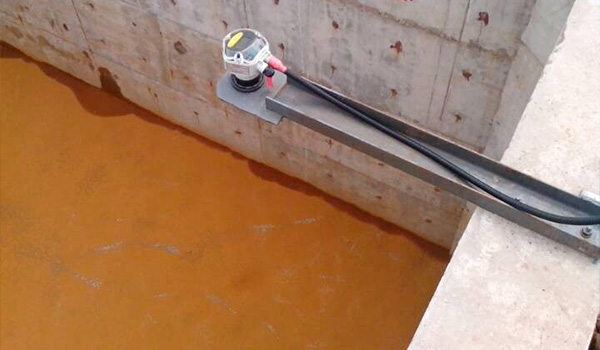
Of course, we can also choose an ABS housing with a PTFE-coated probe for measurement. This type of probe surface is less likely to have water droplets condense on it. It is best to choose a four-wire ultrasonic level meter because it has a higher transmit power and can better adapt to measurement in steam environments.
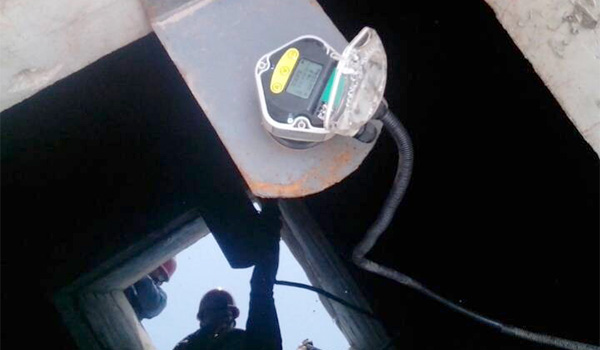
However, if the liquid temperature exceeds 80°C and the steam is very dense, it is recommended not to use an ultrasonic level meter for measurement. In such cases, the steam can attenuate the ultrasonic signal by 2 to 20 times, and water droplets can easily condense on the probe surface, often leading to inaccurate measurement results.
In this situation, we need to choose the appropriate ultrasonic level meter based on the specific steam environment to ensure accurate and reliable measurement results. This involves not only technical selection but also judgment based on the properties of the liquid and the environmental conditions.