
Application of Ultrasonic Level Meter in Tunnel Rainwater Well [Dayu Electronics]
With the advancement of urban construction, rainwater wells have become an important part of the drainage system. Ultrasonic level meters play a crucial role in monitoring the liquid level of rainwater wells! Let's explore the application and working principle of ultrasonic level meters in tunnel rainwater wells!
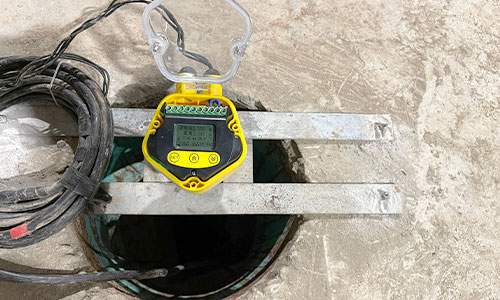
The working principle of the ultrasonic level meter is quite unique. It measures the liquid level height by utilizing the difference in the speed of sound propagation in air and liquid. The sensor emits ultrasonic signals; when the signal encounters the water surface, a portion is reflected back. By calculating the time difference of the reflected wave, the liquid level height is determined. The controller controls the start/stop of the lifting pump based on the sensor signal.
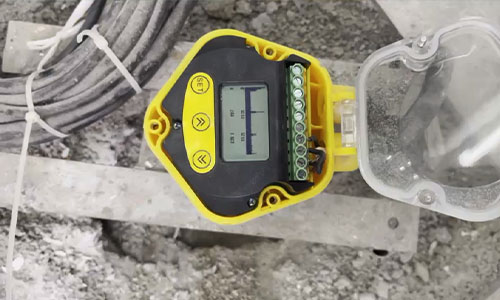
In tunnel rainwater wells, the ultrasonic level meter is installed at the top. When rainwater accumulates, the liquid level rises continuously. When the liquid level reaches the warning value, the level meter sends a signal to start the lifting pump. The pump extracts the rainwater until the water level drops below the warning value. Then it sends another signal to stop the pump. This ensures the normal operation of the rainwater well, preventing overflow and failures.
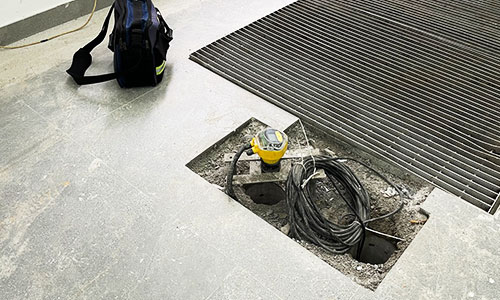
Ultrasonic level meters simplify the monitoring and control of rainwater wells. They accurately measure the liquid level height and promptly start/stop the pump, ensuring the normal operation of the rainwater well. With technological advancements, ultrasonic level meters will play a crucial role in more fields, making greater contributions to urban construction and environmental protection.
Manufacturing requires continuous breakthroughs and innovation, and ultrasonic level meters are the perfect tool to achieve this. They enhance production efficiency, optimize quality control, and enable rational resource management.