
Ultrasonic Level Meter for Measuring Liquid Levels in Various Sewage Tanks [Dayu Electronics]
An ultrasonic level meter is an instrument commonly used to measure liquid levels. It determines the height of a liquid by transmitting and receiving ultrasonic signals. In wastewater treatment plants, ultrasonic level meters are widely used to measure sewage levels, enabling monitoring and control of the entire treatment process.
First, ultrasonic level meters feature non-contact measurement, eliminating the need for direct contact with sewage and avoiding the issues of contamination and damage that are common with traditional contact-based level measurement. This is particularly important in wastewater treatment plants, as sewage may contain various harmful substances; direct contact can not only damage the instrument but also pose environmental and personnel safety risks.
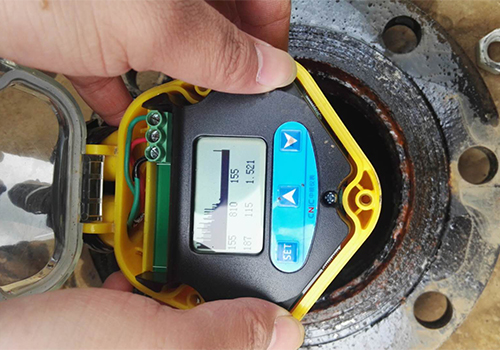
Second, ultrasonic level meters offer high accuracy and stability, providing reliable level data. They measure liquid height using the time difference of ultrasonic propagation, which is unaffected by factors such as liquid color, turbidity, and temperature. This allows ultrasonic level meters to operate reliably in the harsh environment of wastewater treatment plants, delivering dependable level information that helps operators stay informed about sewage levels in tanks or reactors at all times.
The working principle of an ultrasonic level meter involves transmitting ultrasonic signals and measuring the time taken from transmission to reception to calculate the level. The sensor sends ultrasonic signals into the sewage tank or reactor; when the signals hit the liquid surface, they are reflected and received by the sensor. By measuring the round-trip time of the ultrasonic signals, the liquid height can be calculated.
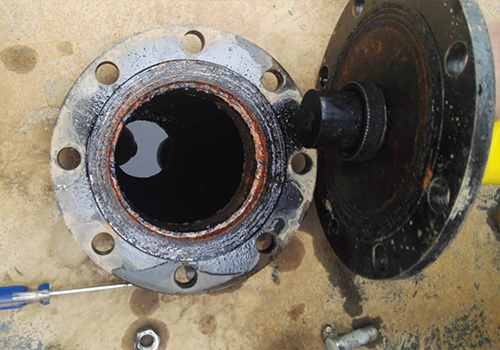
In wastewater treatment plants, ultrasonic level meters are commonly used to measure the liquid levels of various sewage tanks, such as equalization tanks, sedimentation tanks, and digestion tanks. By monitoring level changes in real-time, operators can understand the operational status of the treatment process, adjust treatment processes in a timely manner, and ensure effective sewage treatment. Furthermore, ultrasonic level meters can be connected to automatic control systems to achieve automated level control, improving the efficiency and stability of wastewater treatment.
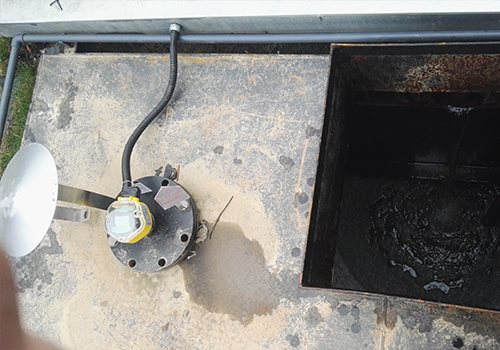
However, it should be noted that ultrasonic level meters have certain limitations when measuring sewage levels. First, measurement results can be affected by bubbles, particulate matter, and foam in the liquid, leading to potential measurement errors. Second, since sewage may contain chemical substances, the sensor of the ultrasonic level meter may be subject to corrosion and requires regular inspection and maintenance.