
How to Select a Radar Level Meter for Stirring and Vacuum Conditions [Dayu Electronics]
Radar level meter is an advanced measuring instrument suitable for solid materials, process containers, or occasions with heavy dust, easy crystallization, and condensation. It features low maintenance, high performance, high accuracy, high reliability, and a long service life. It can adapt to harsh production environments such as high temperature, high pressure, and steam. Because the non-contact measurement method does not come into contact with the measured medium, the radar level meter is almost maintenance-free, without damage, material buildup, or parts replacement issues, and it has a long lifespan. Installation and calibration are simple, and it is not affected by gas composition, dust, or temperature changes in the silo.
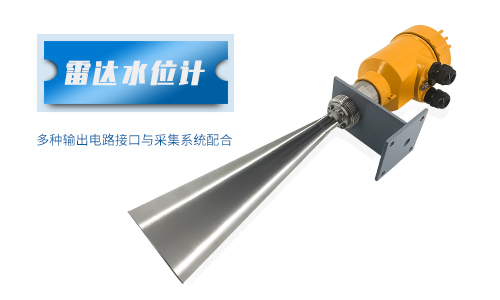
Radar level meters can also be divided by appearance into rod type, horn type, probe type, and cable type. Different types have different measurement requirements, and selection and installation methods should be based on actual working conditions and site diagrams.
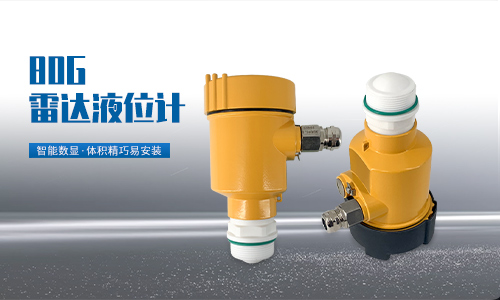
1. Selection when stirring is present
When measuring in a tank with stirring, do not use guided wave radar, as stirring can easily damage the instrument and cause production losses. Instead, choose a high-frequency or low-frequency horn-type radar level meter with non-contact measurement.
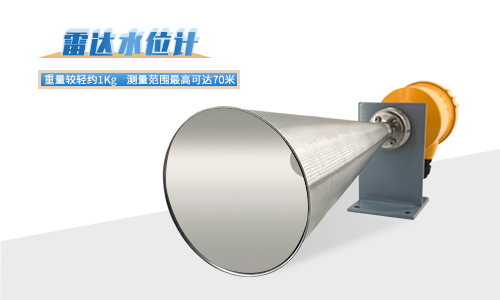
2. Selection under vacuum conditions
Under vacuum conditions, the boiling point of liquids is much lower than at standard atmospheric pressure. Many liquids begin to boil at 30-40°C. This is the case with reactor and evaporation vessels in pharmaceutical plants. Without vacuum, the liquid is calm, but after vacuum is applied, 1 meter of liquid can swell to 3 meters high, full of boiling foam and fine droplets. In such cases, only a horn-type radar level meter should be used, and on-site adjustments must be made.