
Ultrasonic Level Gauge Installation Precautions [Dayu Electronics]
During operation of an ultrasonic level gauge, the probe emits waves with a certain horn-shaped angle, not like a laser which emits a single beam. Therefore, during on-site installation, there must be no obvious obstacles between the probe and the surface being measured; otherwise, measurement errors will occur as shown in the figure. For standardized ultrasonic level gauge installation issues, please consult Dayu Electronics pre-sales.
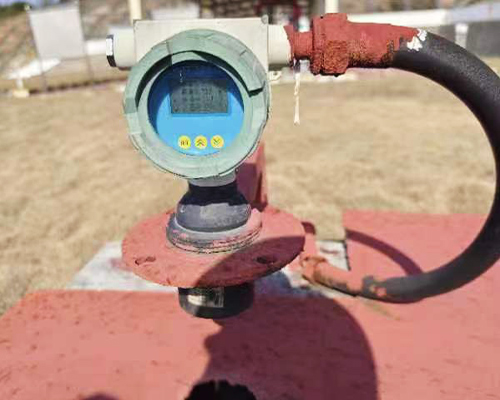
Between the probe's emitting surface and the surface of the medium being measured, within the area radiated by the emitted ultrasonic beam, there must be no obstacles. Therefore, installation should avoid internal facilities such as brackets, on-site equipment, etc. When installing the instrument, also ensure that the highest material level does not enter the measurement blind zone; the instrument must maintain a certain distance from the tank wall; the instrument should be installed so that the transducer's emitting direction is as perpendicular to the liquid surface as possible. Special attention should be paid when using ultrasonic level meters: always ensure that the highest material level does not enter the measurement blind zone.
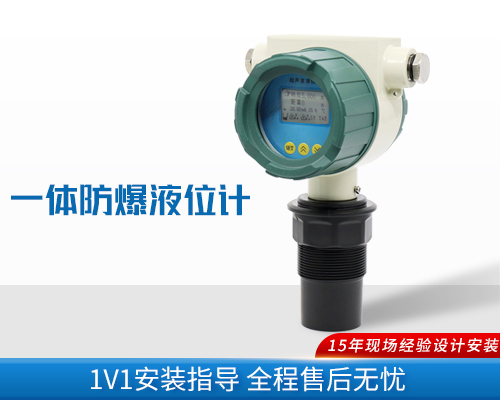
Selection of installation position:
1. When installing the ultrasonic level gauge, the main instrument and the container wall should be at least 0.5 meters apart.
2. For conical containers with a flat roof, the best installation position is at the center of the container top, ensuring coverage to the bottom of the container.
3. If the instrument is installed on an arched or circular tank top, it may cause multiple reflected echoes. During installation, avoid placing the instrument above the incoming material flow to ensure measurement of the medium surface rather than the incoming flow.
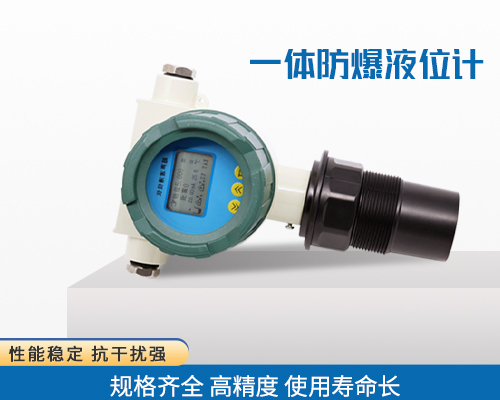
Installation precautions:
1. The level meter should be installed in a location without vibration or strong electromagnetic interference.
2. The container should avoid areas with stirring, complex conditions, or use a guide wave pipe.
3. Choose an installation position that is convenient for construction and maintenance; the transducer should be perpendicular to the surface of the measured medium.
4. If there are feed inlets, stairways, etc. on the side, maintain an adequate distance from them.