
What is a Horizontal Omnidirectional Underwater Acoustic Transducer? [Dayu Electronics]
A horizontal omnidirectional underwater acoustic transducer is a common underwater acoustic transmitter that can emit acoustic signals in an underwater environment. Its transmission principle is based on the piezoelectric effect. Let's take a look at its working principle.
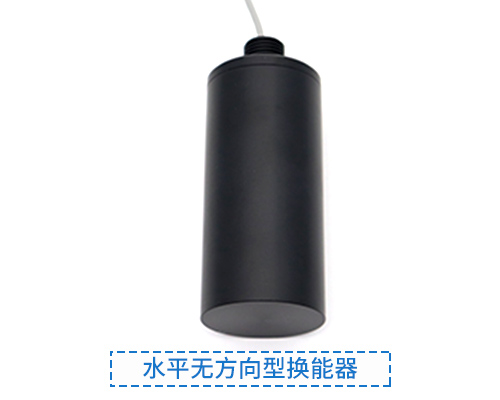
First, inside the horizontal omnidirectional underwater acoustic transducer, there is a piezoelectric ceramic element that can convert electrical energy into mechanical energy. When external power is applied to the piezoelectric ceramic element, it generates mechanical vibrations that propagate into the water, forming acoustic signals.
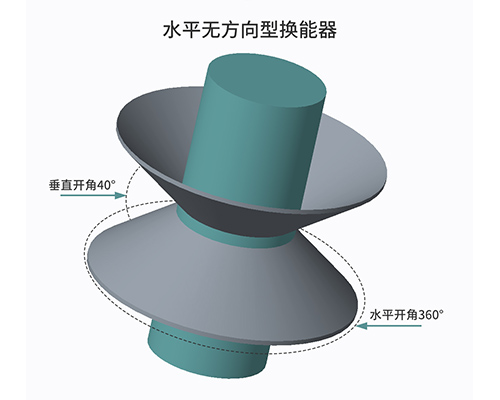
In the underwater acoustic transmitter, to produce stronger acoustic signals, multiple piezoelectric ceramic elements are typically used. These elements are arranged in a circular array, each with a specific phase and amplitude, allowing them to work together to form a stronger acoustic signal.
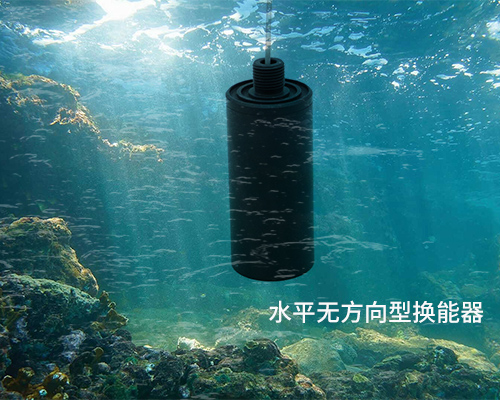
When external power is applied to the underwater acoustic transmitter, it generates an electrical signal with a specific frequency and amplitude, which is transmitted to each piezoelectric ceramic element, causing them to vibrate mechanically. These vibrations form an acoustic signal that propagates in all directions.
In summary, the horizontal omnidirectional underwater acoustic transducer is a very practical tool that can emit acoustic signals in underwater environments, thereby assisting us in underwater acoustic communication, sonar detection, and other tasks.