
Sludge Thickness Measurement Methods [Dayu Electronics]
Small and medium-sized rivers in cities are the most critical water resources and environmental carriers for urban formation and development. However, with the acceleration of urbanization, many small and medium-sized rivers have long received urban sewage, resulting in severe sedimentation in urban river channels. In some sections, the riverbed is elevated or even blocked, with serious sludge pollution, damaged aquatic ecosystems, and adverse effects on people's normal production and daily life. Therefore, dredging of river channels is imperative, and sludge detection is a crucial part of the dredging work for small and medium-sized urban rivers. The detection results directly affect the design of dredging plans and the effectiveness of dredging operations.
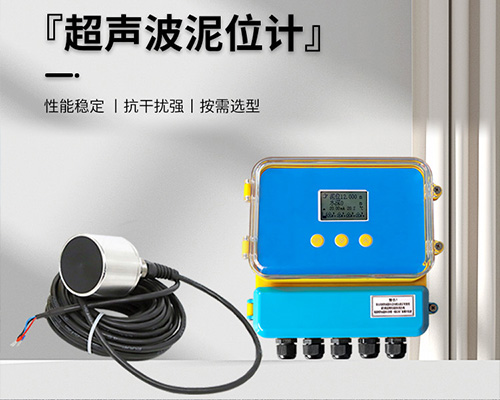
At present, water conservancy management departments in China are stepping up efforts to clean up sludge from water bodies in rivers and lakes, and have put forward higher requirements for underwater sludge detection. This necessitates an in-depth analysis of the actual conditions of sludge in water bodies, along with the application of reasonable detection methods to provide authentic and operable detection data for environmental dredging work, thereby promoting the smooth development of environmental dredging in China.
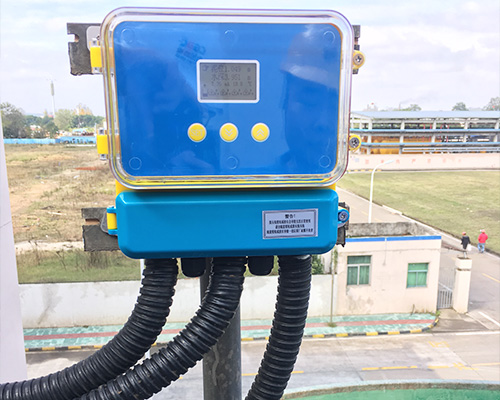
Generally, the following methods are used for sludge detection:
1、Ultrasonic Sludge Level Meter, also known as Ultrasonic Sludge Interface Meter
Working principle: The ultrasonic probe is placed in the water and emits ultrasonic waves downward. When the waves encounter the interface between the sludge layer and the water layer, they are reflected back. Of course, there are multiple reflections, and backend software is required to distinguish them. Based on the reflected signals, the position of the sludge can be determined.
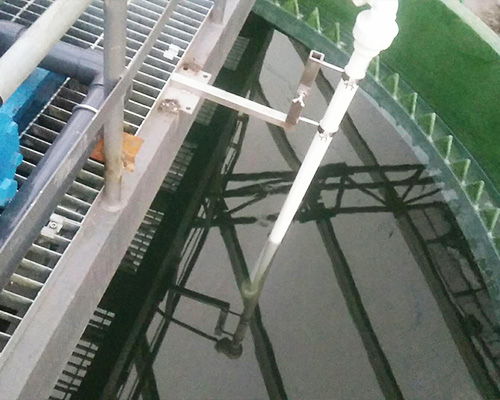
2、Optical Sludge Interface Meter
This method utilizes the absorption ratio of light by sludge to measure the sludge concentration. The sludge interface level is calculated based on the cable length.
3、Sludge Concentration Meter
Working principle: Photoelectric sensors are placed in the water, one emitting light and the other receiving it. The intensity of the received light is used to determine the sludge content in the water. Based on the sludge content, the height of the sludge layer can be roughly estimated.
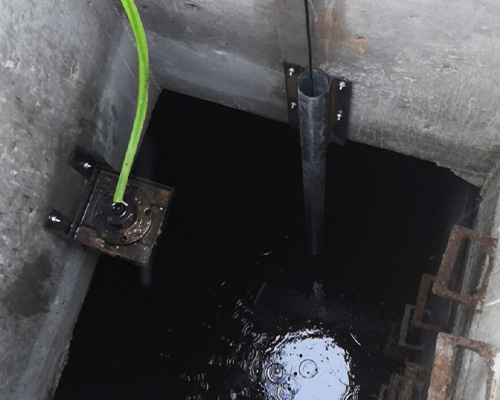
4、Capacitive Interface Meter
Working principle: Two probe rods are inserted into the water. Different capacitance values at different layers in the water are used to distinguish the location of the sludge layer.
5、Electromagnetic Wave Interface Meter
Working principle: A metal rod is inserted into the water, and electromagnetic waves propagate within a small circle centered on the rod. The waves are reflected when they encounter sludge of different concentrations. The sludge thickness is calculated based on the time difference between transmission and reception.
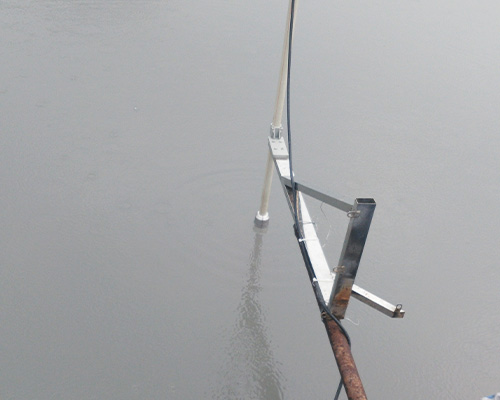
It is understood that currently, the monitoring of sludge level height in wastewater treatment plants mainly relies on manual labor. In addition to traditional visual inspection and water sample collection, sludge interface meters or sludge concentration meters are also used, but handheld instruments are still required for measurements. These monitoring methods either require high labor input, real-time participation, and have low timeliness.