
Environmental Factors Affecting Wind Speed and Direction Anemometer Transducer Measurements [Dayu Electronics]
The wind speed and direction anemometer transducer is an intelligent wind speed sensing and alarm instrument used in railways, ports, docks, power plants, meteorology, cableways, environmental monitoring, greenhouses, aquaculture, and other fields to measure wind speed and direction. It allows for convenient and rapid determination of external wind speed. The wind speed measurement section of the cup-type anemometer utilizes microcomputer technology and can simultaneously measure five parameters: instantaneous wind speed, instantaneous wind level, average wind speed, average wind level, and corresponding wave height.
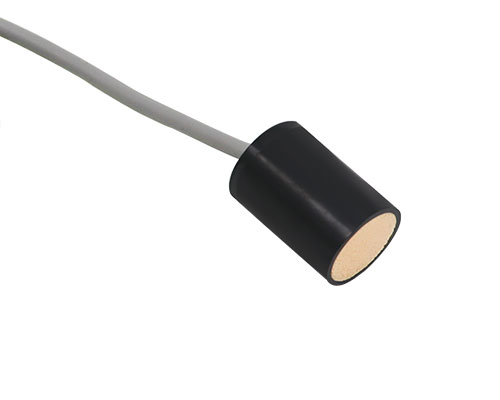
The anemometer can measure airflow in different environments and under different conditions, making it particularly suitable for measuring various low-air flows, typically used in conjunction with rainfall, humidity, and temperature sensors.
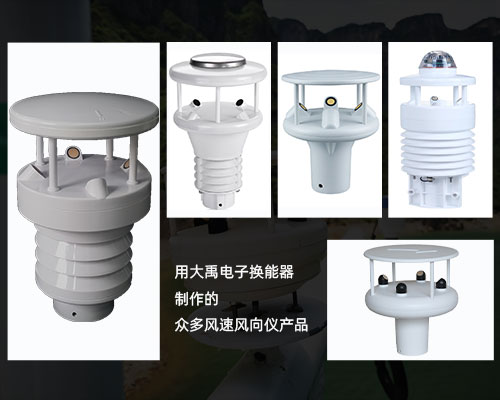
The main environmental factors affecting the measurements of the wind speed and direction anemometer transducer are as follows:
1. Effect of operating temperature on the measurement signal
With 25°C as the reference standard, the lower the temperature, the stronger the signal; the higher the temperature, the weaker the signal.
2. Effect of wind speed on the measurement signal
Under constant temperature conditions, the lower the wind speed, the stronger the received signal. The higher the wind speed, the weaker the received signal.
3. Effect of fog on the measurement signal
Under constant temperature and wind speed conditions, the lighter the fog, the stronger the received signal. The heavier the fog, the weaker the received signal.
4. Effect of dust on the measurement signal
Under constant temperature and wind speed conditions, the lower the dust concentration, the stronger the received signal. The higher the dust concentration, the weaker the received signal.
5. Effect of contaminants on the probe emitting surface on the measurement signal
The smaller the area of dust and water droplets covering the probe, the stronger the received signal. The larger the area of dust and water droplets covering the probe, the weaker the received signal.
6. Probe icing
This issue can only be resolved by equipping the anemometer with a heating device.
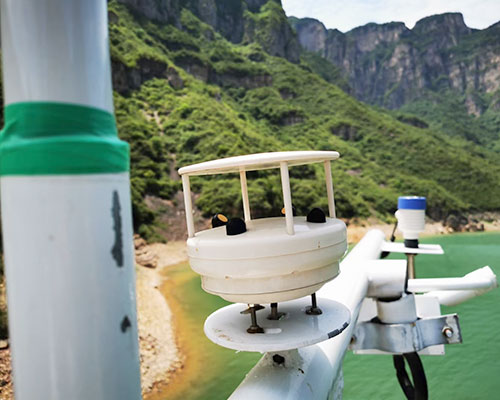
Dayu Electronics' products mainly fall into four categories: industrial control instruments, industrial sensors, marine equipment, and ultrasonic transducers. Product application scenarios include ultrasonic distance measurement, monitoring of water level/flow velocity/flow rate/mud level/water depth, etc., and underwater communication/positioning/obstacle avoidance.