
Dayu Integrated Ultrasonic Level Meter for Monitoring Mineral Material Height
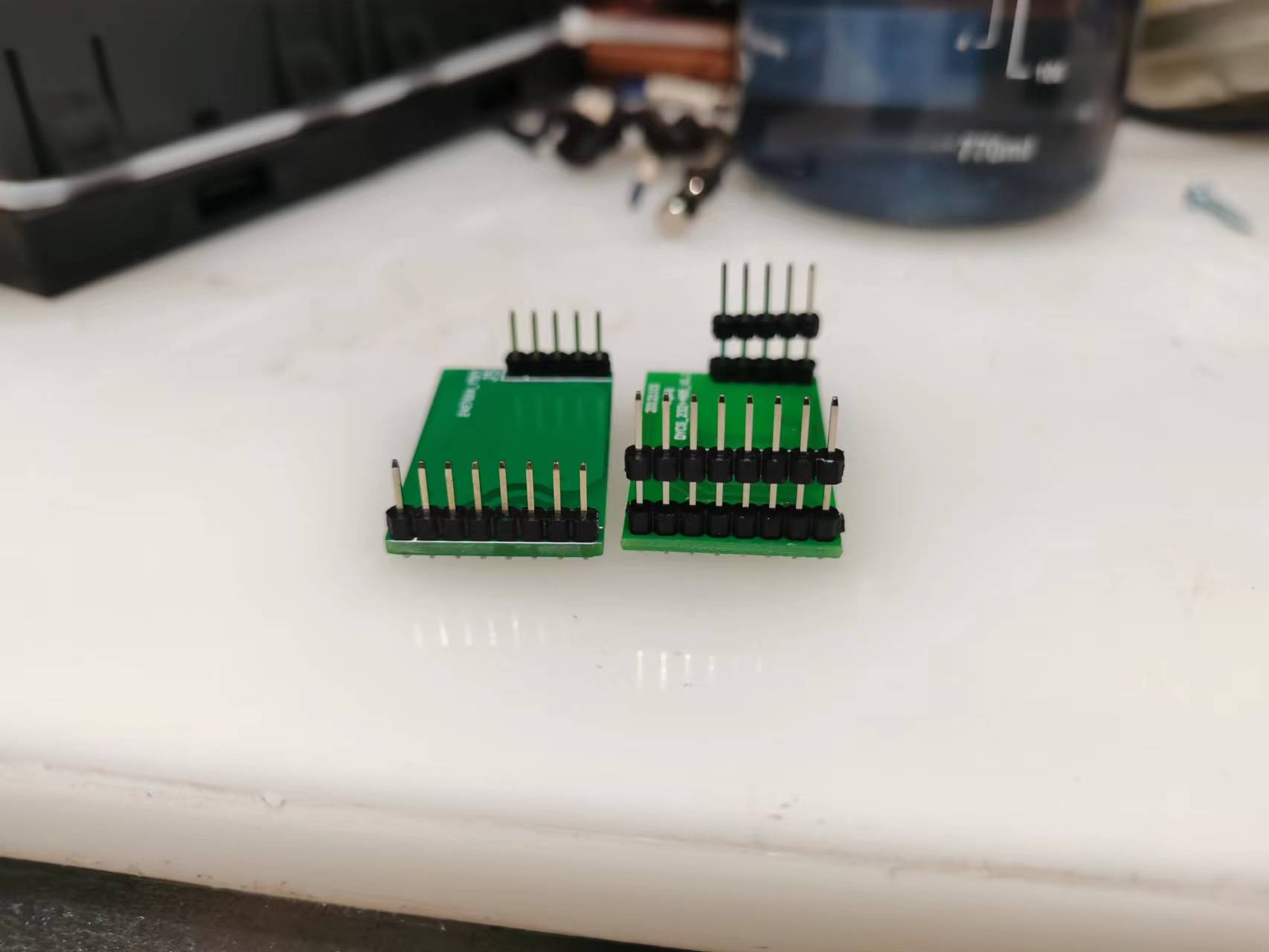
Integrated ultrasonic level meter is used in Yangjiang City, Guangdong Province to monitor mineral material height and inlet/outlet material level height. At the customer's site, a 485 bus is used to communicate with multiple instruments. The no-load voltage of the bus is 2.5V, but it drops directly to 0.3V after connecting one level meter, and to 0.15V after connecting the second one. The voltage drop is too large, making communication impossible when two devices are connected. The bus voltage must be above 0.2V for normal communication. Dayu Electronics' after-sales staff produced a new 485 module and sent it to the site for replacement, and normal communication was restored.
The reasons for inaccurate measurement of ultrasonic level meters mainly include the following five points:
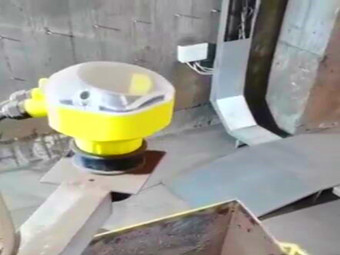
1. There are many bubbles on the liquid surface. When the ultrasonic wave hits the bubble surface, part of it is absorbed by the bubbles, and part is reflected to other places. The probe cannot receive the signal, or the signal is too weak.
2. There is stirring. Fluctuations on the liquid surface can cause measurement data to fluctuate and be unstable.
3. There is steam. Water droplets condense on the transmitter surface, blocking part of the signal when it is sent out, and blocking part again when reflected from the liquid surface, causing the signal to be unreceived or too weak.
4. Strong volatile liquids can cause inaccurate measurements. For example: gasoline, toluene, xylene, acetone, and other strong volatile liquids.
5. Within the ultrasonic transmission range, besides the liquid surface, there are other obstacles, which can cause measurement data to fluctuate.