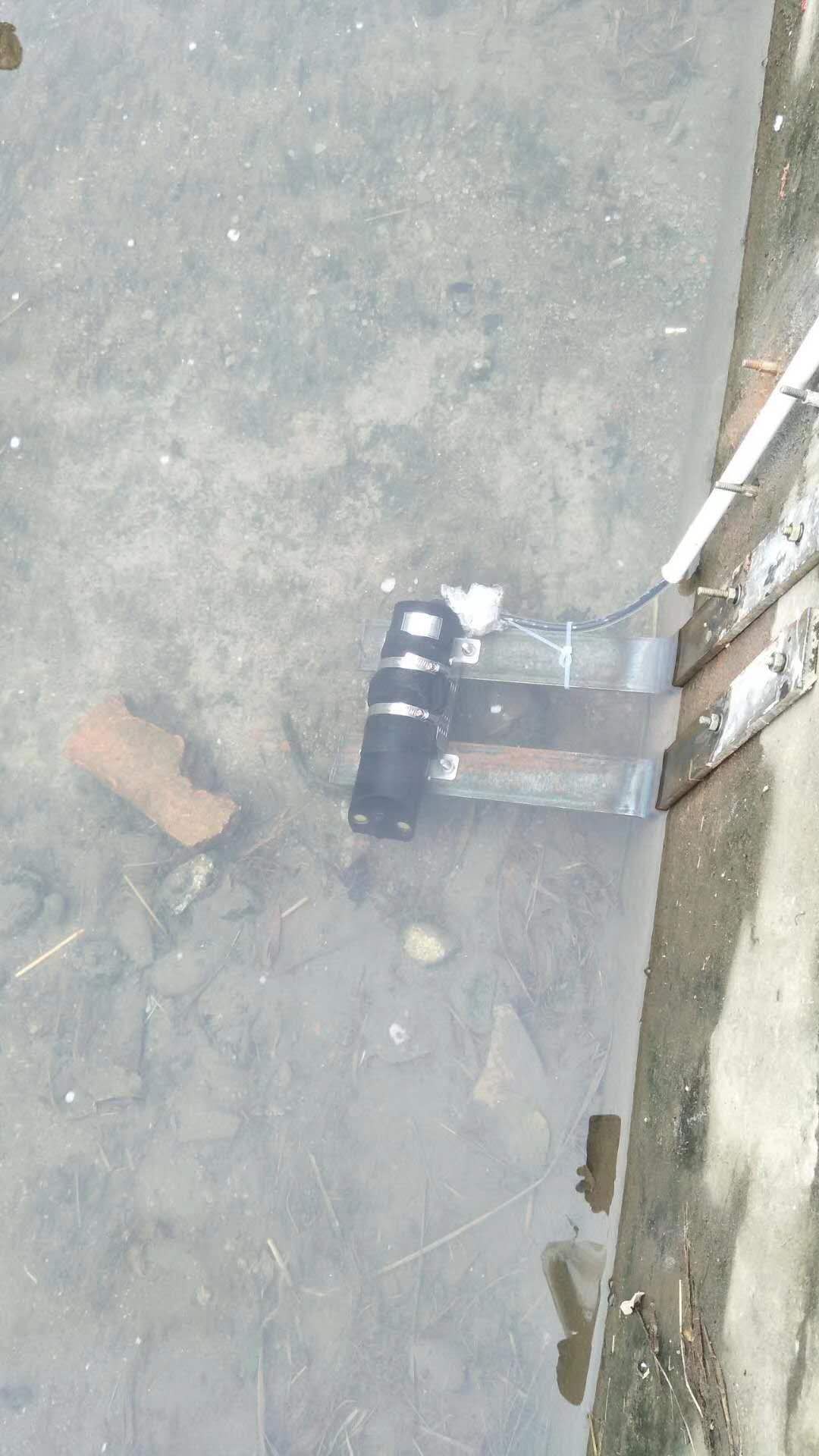
Dayu Ultrasonic Doppler Flowmeter for Ecological Flow Discharge Monitoring
What parameters should generally be provided to us for ecological flow discharge and irrigation canal flow monitoring, so that we can help customers select the correct flow monitoring equipment?
Recently, a client from Zhejiang consulted us about the application sites for ecological flow discharge and irrigation canal flow monitoring. Their company is introducing a new investment project involving water conservancy, and they asked us to recommend water-related sensor-end equipment.
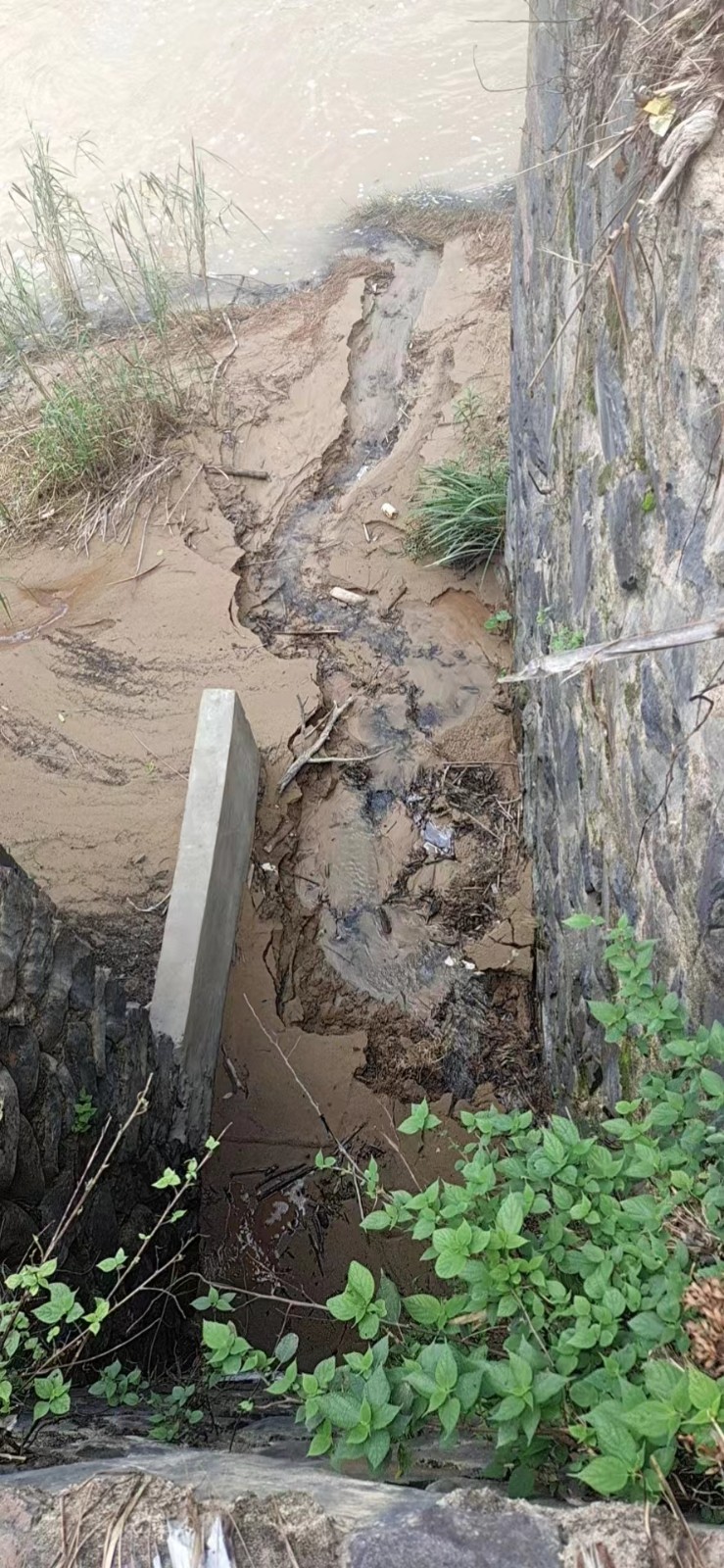
The site environment is as follows:
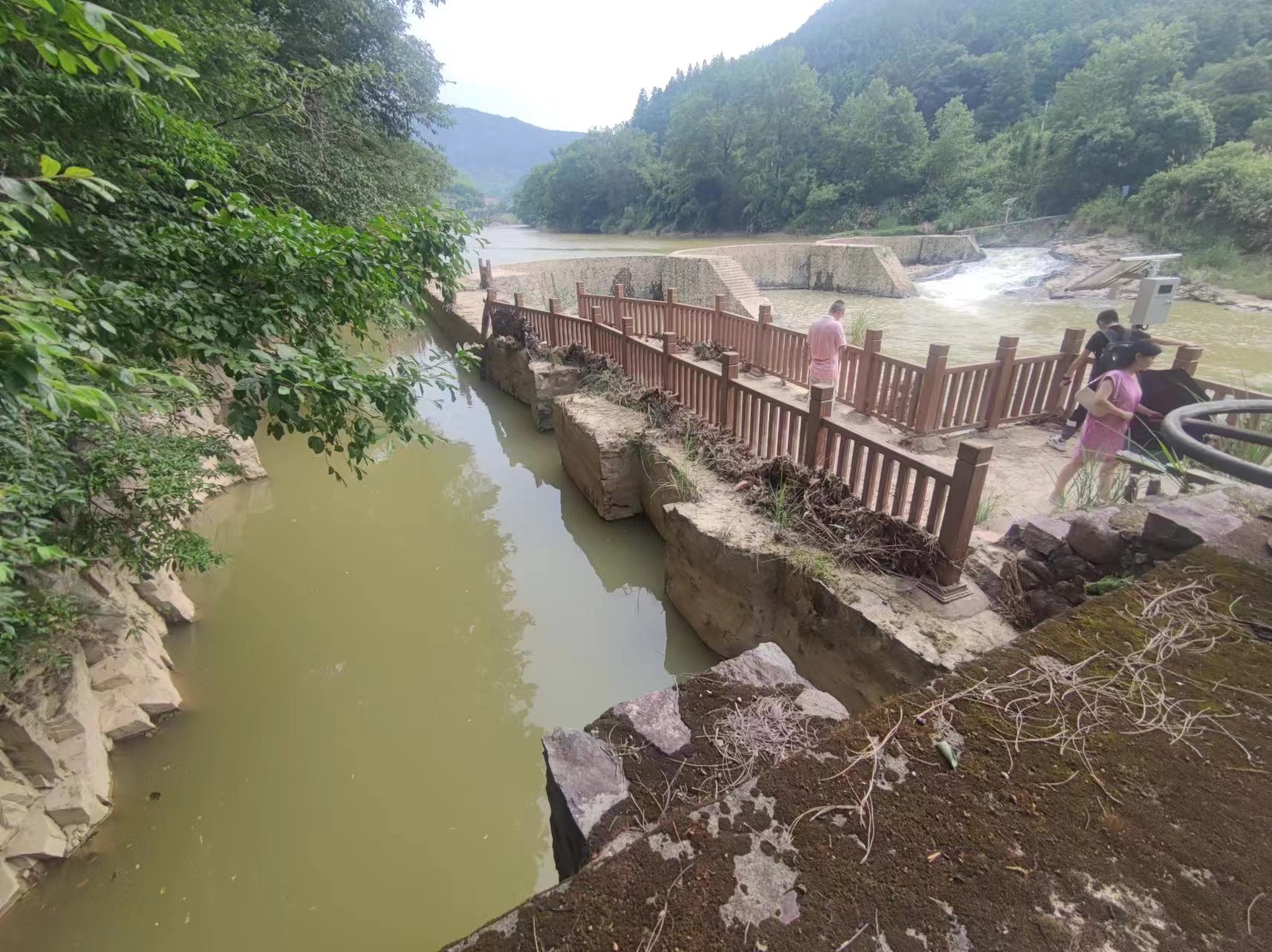
There is a discharge outlet in the sand sluicing channel of a reservoir power station, which also serves as the sand discharge outlet. If we monitor the ecological flow of the reservoir through this outlet, is this location suitable for installing flow measurement equipment? If suitable, what type of equipment is more appropriate for this sand discharge outlet? Ultrasonic Doppler flowmeter, or an ultrasonic radar flowmeter, or an open channel flowmeter?
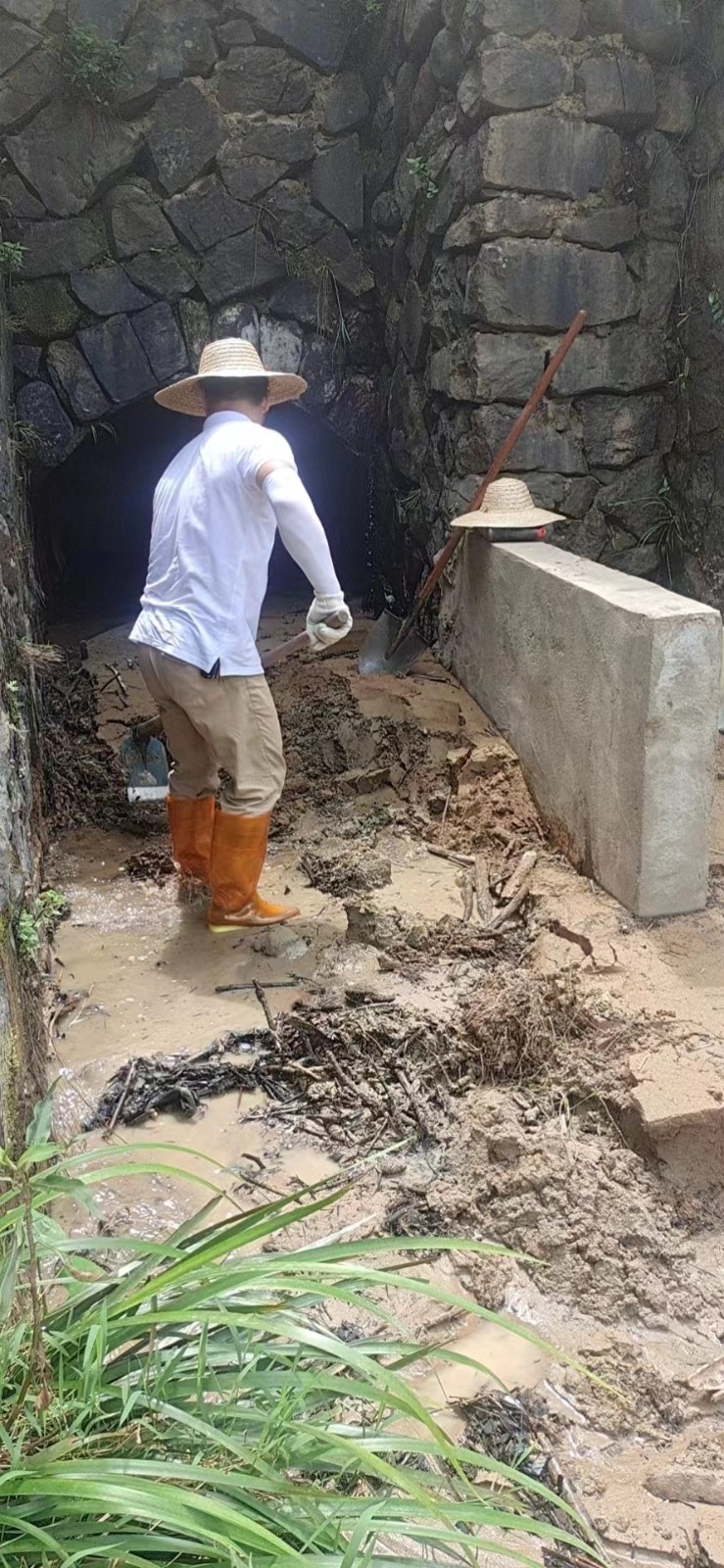
This sand discharge outlet has a flow rate of 1.2 cubic meters per second, with a total flow of about 4,200 cubic meters per hour. The channel width is 1.5 meters, and relatively speaking, the discharge volume is quite high. The distance from the sand settling tank to the discharge outlet is only about 3 meters or so.
First, we rule out the use of an open channel flowmeter. First, an open channel flowmeter would cause significant measurement errors at such a high-flow discharge outlet. Even if the customer does not have high requirements for measurement accuracy, it cannot guarantee that the data received by the platform will meet the basic data requirements for measurement. Second, from an after-sales perspective, it would create unnecessary complications.
Next, let's consider the radar velocity meter. Comparatively speaking, the radar velocity meter can provide more accurate measurements, but the end user often considers the budget, and since its price is relatively high, it is likely to be rejected.
Finally, under the premise of meeting the customer's needs and the site requirements, we recommend that the customer adopt an ultrasonic Doppler flowmeter for ecological flow discharge and irrigation canal flow monitoring, that is, for measuring the flow at this sand discharge outlet.
Our recommendations are as follows:
At the location indicated by the arrow, build a cement platform (higher than the sediment level) and ensure that there is a minimum water level of at least 20 cm above it on a daily basis. Place the Doppler flowmeter on the cement platform to measure the flow at the discharge outlet.
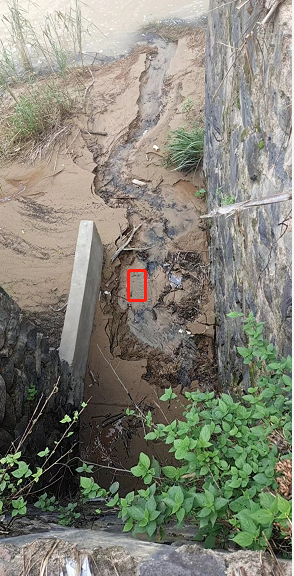
Although the cement platform can effectively prevent sediment from submerging the Doppler flowmeter, allowing the transmitter of the flowmeter probe to operate normally and to transmit and receive signals effectively, routine maintenance is still essential. It is necessary to regularly clean the accumulated sediment to prevent excessive sediment buildup in the channel, which could affect the normal measurement of the discharge and irrigation channel flow.
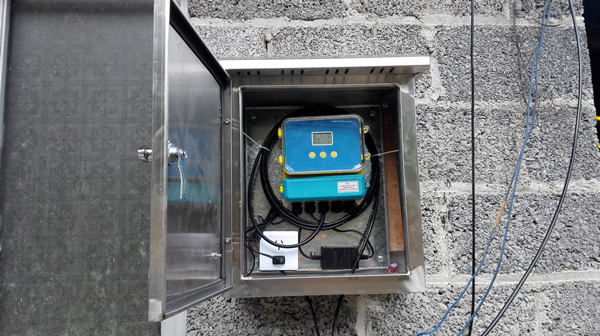
The ecological flow monitoring point at the Jieli Hydropower Station in Tian'e County can also adopt this side-wall suspended installation method. If it can be ensured that the equipment will not be washed away, a suspended movable bracket installation can also be used, which eliminates the need for a cement platform, as a cement platform would obstruct the normal flow of sediment and cause blockage.
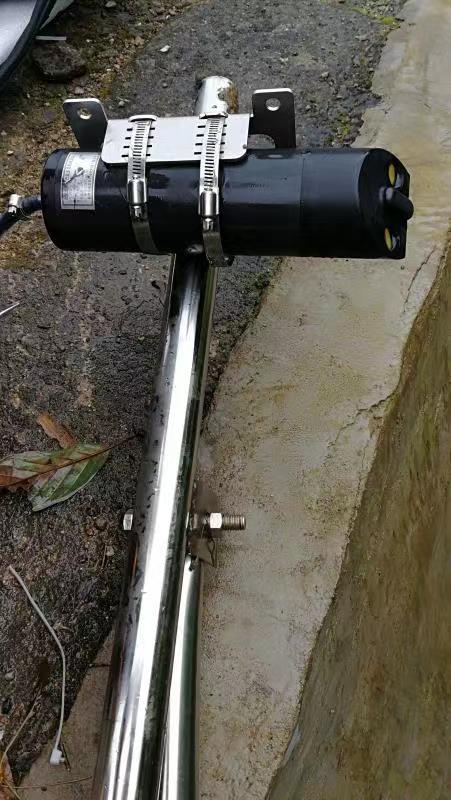
For ease of routine maintenance, a rod-type movable bracket installation method can be considered.
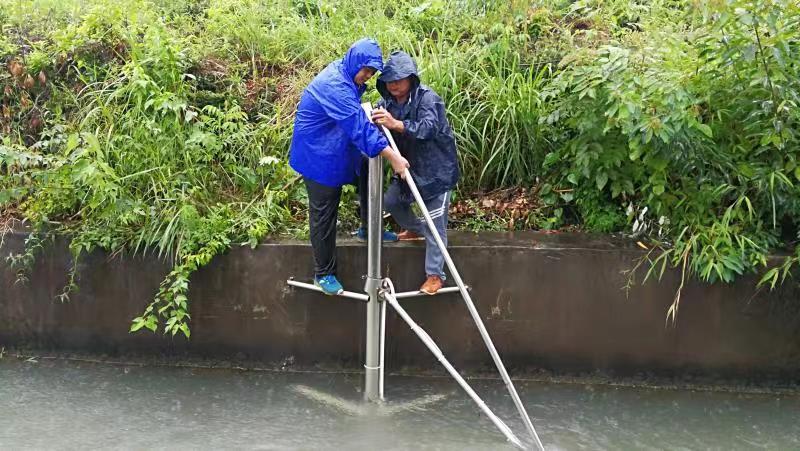
The probe is fixed at the bottom of the rod, and care should be taken to protect the wiring by running it through a conduit to prevent the lines from being snapped by strong currents over time.