
Dayu Electronics: The Lantern Festival Arrives, Bright Lanterns Herald Spring
The Lantern Festival brings red lanterns aglow, jade candles light up a thousand homes with joy; on this fifth night of the first month, colorful lanterns shine across ten thousand households of spring.
Festive lights adorn the brilliant night, tangyuan symbolize reunion, and home is a happy concentric circle drawing every heart together. Here, all staff of Fuzhou Dayu Electronic Technology Co., Ltd. wish everyone a happy Lantern Festival, family well-being, and all your wishes come true.
I. Origin of the Lantern Festival
The Lantern Festival, also known as Shangyuan Festival, Xiaozhengyue, Yuanshi, or the Lantern Festival, falls on the 15th day of the first lunar month each year, and is the last major festival in the Chinese Spring Festival customs.
The word "Yuanxiao" originally meant "the evening of the Shangyuan Festival," because the main activity on the 15th day of the first lunar month, the Shangyuan Festival, was to eat tangyuan and admire the moon in the evening. Over time, the festival name evolved into "Yuanxiao Festival." On the night of Yuanxiao, streets and alleys are decorated with lanterns and festoons; people enjoy lantern displays, guess lantern riddles, and eat yuanxiao, bringing the celebrations that began on New Year's Eve to another climax, making it a tradition passed down through generations.
In the early stages of the festival's formation, it was simply called the 15th day of the first lunar month, mid-first month, or full moon night. After the Sui Dynasty, it was called Yuanshi or Yuanye. In the early Tang Dynasty, influenced by Taoism, it was also called Shangyuan, and only in the late Tang Dynasty was it occasionally called Yuanxiao. Since the Song Dynasty, it was also called Dengxi (Lantern Evening). By the Qing Dynasty, it was separately called Dengjie (Lantern Festival).
II. Lantern Festival Customs
1. Eating Yuanxiao
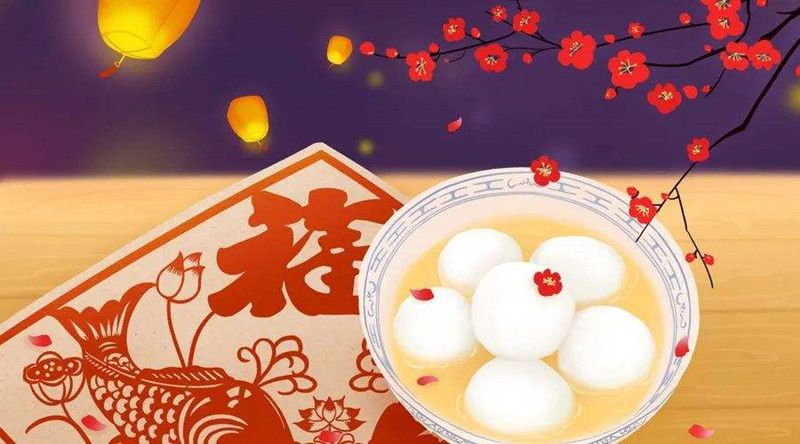
On the 15th day of the first lunar month, people eat yuanxiao, also known as tangyuan, tuan, or yuanzi. Eating yuanxiao during the Lantern Festival is a common custom across the country. Yuanxiao is a northern food, with a method somewhat different from southern tangyuan. The filling is cut into pieces, dipped in water, and rolled in a container with glutinous rice flour until coated, then either boiled or deep-fried, symbolizing warmth and reunion.
In the south, it's tangyuan; in the north, it's yuanxiao. Unlike the north, southerners eat tangyuan during the Lantern Festival. Tangyuan are filled with sugar, rose, sesame, bean paste, osmanthus, walnut kernels, nuts, jujube paste, etc., wrapped in glutinous rice flour to form round balls. They can be savory or sweet, with various flavors, and can be boiled, fried, or steamed, symbolizing completeness and happiness.
2. Peace Lanterns
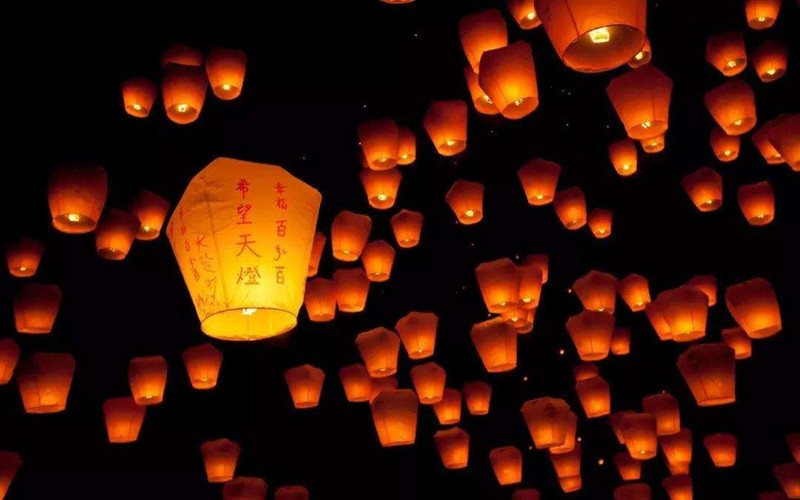
The "sky lantern" custom originated when people, after fleeing from bandit raids and scattering away, used sky lanterns as a signal to report safety to each other. Since the day they returned home from refuge was the Lantern Festival, from then on, every year on this day, people celebrate by releasing sky lanterns, so they are also called "blessing lanterns" or "peace lanterns."
3. Guessing Lantern Riddles
Lantern riddles have existed since the Spring and Autumn period, when they were called "hidden language." It wasn't until the Han and Wei dynasties that they began to be called "riddles." In the Southern Song Dynasty, some people wrote riddles on lanterns for people to guess during the Shangyuan Festival. After the Southern Song, admiring lanterns and guessing lantern riddles made the Lantern Festival atmosphere lively and warm.