
Dayu Electronics: Ultrasonic Level Meter Installation Conditions and Operating Environment
Ultrasonic level meter is installed at the upper part of the container. Under the control of the electronic unit, the probe emits a burst of ultrasonic pulses toward the object being measured. The sound waves are reflected by the object's surface, and part of the reflected echo is received by the probe and converted into an electrical signal.
The time from the emission of the ultrasonic wave to its re-reception is proportional to the distance between the probe and the object being measured. The electronic unit detects this time and calculates the measured distance based on the known sound velocity. The level value is then obtained through subtraction. Since temperature affects the speed of sound, the instrument should measure temperature to correct the sound velocity.
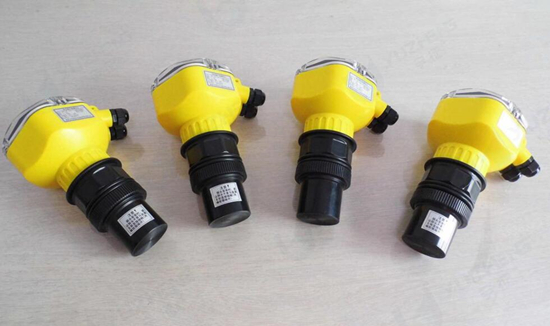
Environmental conditions for the use of ultrasonic level meters
1. Medium pressure: Sound waves cannot propagate in a vacuum, but they can propagate under a slight vacuum. However, we recommend against application in any vacuum environment, including slight vacuum conditions, as it may cause the ultrasonic level meter to malfunction or increase measurement errors.
2. Medium humidity: In dry or saturated humid air, the speed of sound can change by up to 2%. The presence of various gases in water vapor affects the ultrasonic transmission speed.
3. Space: Obstacles or pipelines below the sound wave path can obstruct ultrasonic transmission, causing signal loss.
4. Foam: Large amounts of foam generated by the measured medium can easily absorb or interfere with the ultrasonic waves.
5. Airflow: When wind speed is below 50 km/h, its effect can be essentially ignored. When wind speed exceeds 50 km/h, it will affect the measurement results.