
Dayu Electronics: Differences Between Ultrasonic Level Meters, RF Admittance Level Meters, and Radar Level Meters
RF admittance level meters, radar level meters, and ultrasonic level meters — what similarities and differences exist among these three types of level instruments?
Guided wave radar level meters are radar level meters based on the time-domain reflectometry (TDR) principle. The electromagnetic pulses of the radar level meter propagate at the speed of light along a steel cable or probe. When they encounter the surface of the measured medium, part of the pulse is reflected, forming an echo that returns along the same path to the pulse transmitting device. The distance between the transmitting device and the surface of the measured medium is proportional to the propagation time of the pulse between them, from which the liquid level height is calculated.
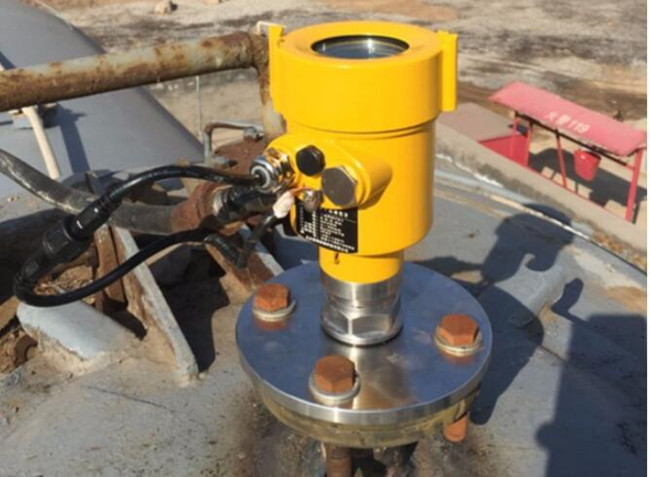
Radar level meter
The RF admittance switch transmits a certain high-frequency radio wave to the probe, which is used to analyze and determine changes in the material level within the container. The frequency of the radio wave varies depending on the material being probed. The probe of the RF admittance switch and the container wall form a fixed-gap capacitive two-electrode structure, with the probe's insulating material and the surrounding air providing the dielectric medium.
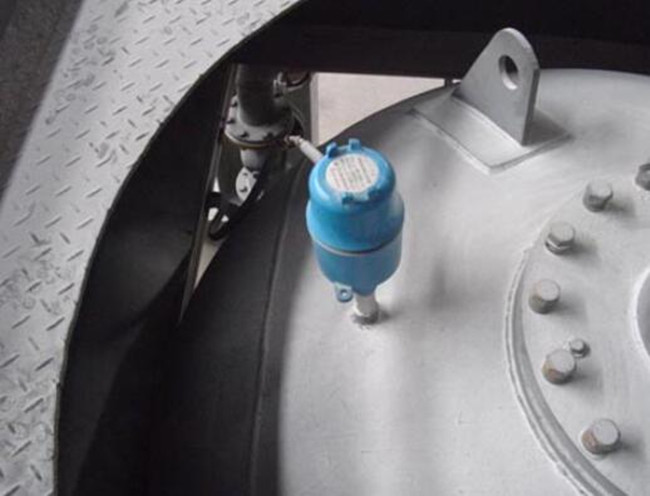
RF admittance level meter
Similarities:
In terms of operating principles, all of them convert digital signals collected by the sensor into analog signal outputs. Ultrasonic and radar share some similarities — both use air as the medium and the measured liquid surface as the measurement point, measuring level changes by transmitting and receiving reflected signals. However, RF admittance is an upgraded version of a purely capacitive instrument and has no practical similarities with the other two.
Differences:
In terms of operating principles, the signal emitted by an ultrasonic level meter propagates at the speed of sound, while radar propagates at the speed of light. Clearly, the measurement speed of radar is superior to that of ultrasonic, placing it in the same category as laser measurement. In contrast, RF admittance measures based on the capacitance between probe electrodes. It can be said that the RF admittance mentioned by the author does not belong to the same category as the other two types of instruments. It is possible that the author misunderstood the definition of RF admittance — "RF" does not mean emitting something, but rather it is an enhancement added on top of capacitive instruments.
Summary:
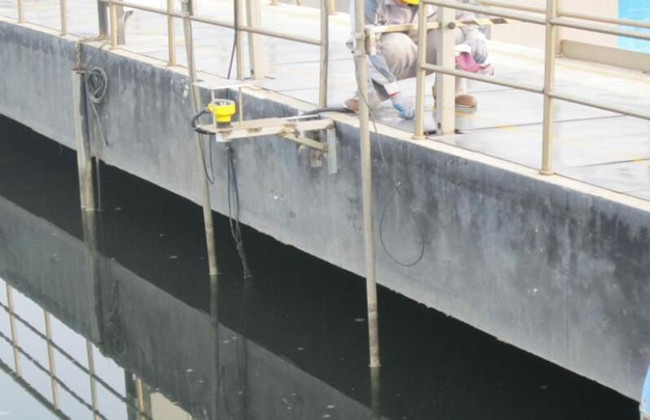
Each of the three instruments has its own strengths during selection. Ultrasonic and radar are non-contact measurements, while RF admittance is contact measurement. However, RF admittance is relatively more resistant to environmental interference and less prone to damage, whereas the other two instruments are somewhat more delicate.
Dayu Electronics specializes in solar-powered ultrasonic level meters for water conservancy monitoring, ultrasonic level meters for wastewater treatment, high-pressure-resistant ultrasonic level meters, anti-corrosion and explosion-proof ultrasonic level meters, ultrasonic sludge level meters (sludge interface analyzers), ultrasonic open-channel flow meters, ultrasonic level differential meters, ultrasonic transducers, radar water level meters, and radar level meters, among others. Our products are sold both domestically and internationally and have received high praise from many customers.