
Dayu Electronics Ultrasonic Sludge Level Meter: Three High-Frequency Questions – Sediment, Range, and Floating Debris – Explained Clearly
Many professionals involved in river dredging and wastewater treatment plant operations feel uncertain when first using an ultrasonic sludge level meter. Let's address whether it can measure, and what constitutes inaccurate measurement, with straight talk.
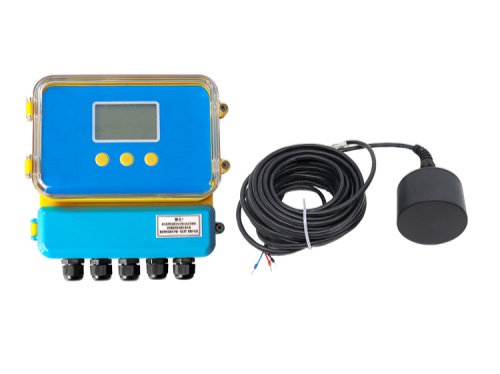
Question 1: Can it measure the height of sediment settled in a river?
The answer is yes in most cases. An ultrasonic sludge level meter is designed to distinguish the interface between the 'clear water layer' and the 'sediment layer.' As long as the riverbed consists of a relatively compact sediment layer, and the acoustic wave can generate an effective echo at the interface, the settled height can be measured.
However, there is a physical boundary to note: if the sediment is a semi-fluid, loose sludge, the acoustic wave may pass directly through it, and the instrument cannot identify the thickness of this soft mud layer. In simple terms: hard, well-formed sediment layers can be measured accurately, while thin, fluid surface sludge may create a blind zone. This is determined by acoustic principles, not an equipment issue.
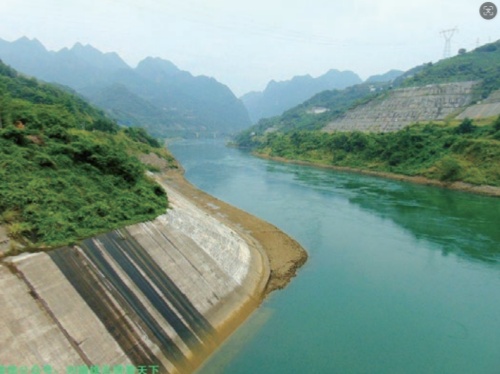
Question 2: Can a sludge level meter with a 6-meter range be used to measure a 5-meter depth in a wastewater treatment plant sedimentation tank?
Absolutely no problem. The 6-meter range refers to the maximum detection distance. Wastewater treatment plant sedimentation tanks typically range from 3 to 5 meters in depth, which not only provides sufficient signal strength but also offers better signal stability. Many of our customers use these meters in secondary clarifiers and sludge thickening tanks, with 5 meters being a routine operating distance.
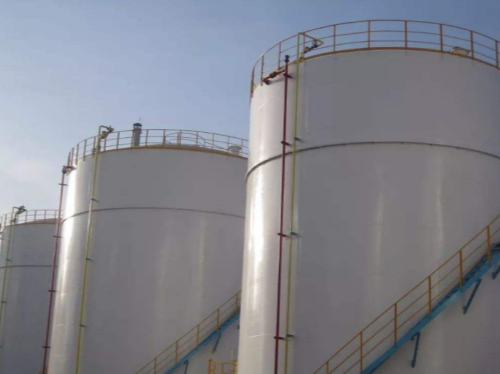
Question 3: Will floating debris on the water surface affect measurements?
This depends on the situation: if there are only scattered leaves or foam that do not completely block the 'acoustic path' directly below the probe, the acoustic wave can often penetrate through, and the error will be minimal. However, if the floating sludge or duckweed on the water surface is very thick and fully blocks the area beneath the probe, the signal will be obstructed, causing the data to fluctuate or read low.
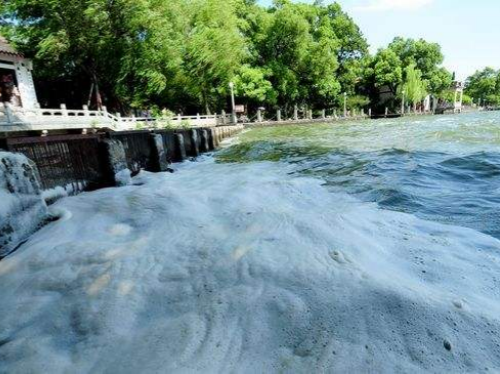
We recommend observing the water flow during installation and, where possible, positioning the unit at an access point with minimal floating debris to save yourself a lot of trouble.
Selecting the right sludge level meter isn't difficult; the key is matching it to the actual conditions of the medium at your site. If your river has fast flow, or your wastewater treatment plant uses chemicals that create excessive foam, and you're unsure, just take a photo of the water surface and send it to us. The Dayu Electronics technical team will help you evaluate.