
Dayu Electronics Ultrasonic Depth Sounder: Penetrating Silt to Precisely Identify Rocks and Obstacles
Customers often ask us: if the riverbed is completely covered in silt, can your ultrasonic depth sounder penetrate the silt to detect large rocks or obstacles hidden beneath? Will the received echo signals be different?
The answer is yes. There are indeed significant differences in how silt and hard rocks reflect sound waves.
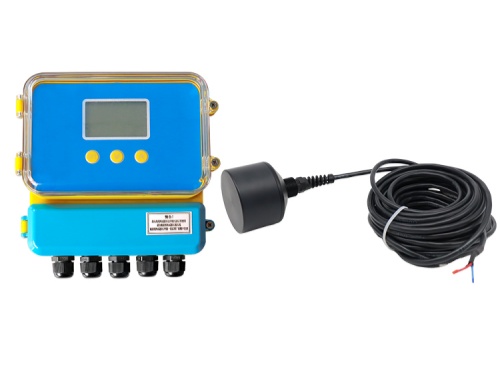
The ultrasonic depth sounder works by emitting sound waves through a transducer and then judging the interface based on the echoes. Mud is a loose sediment layer; sound waves attenuate quickly as they pass through, and the reflected signals are typically relatively 'smooth' or messy. In contrast, rocks, concrete structures, or other hard obstacles are dense with hard interfaces, so the reflected signals are very 'sharp' and strong. Theoretically, using a transducer in liquid, we are able to capture these two distinctly different acoustic signatures.
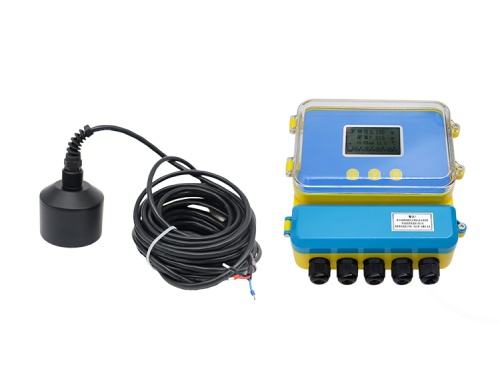
However, from 'being able to distinguish' to 'accurately identifying', there is still a very important step: extensive field validation testing.
This is because the properties of natural silt vary greatly; some are thin mud, some are compacted clay. Changes in water content and density directly affect sound wave propagation and echo morphology. Without targeted testing, it is difficult for the instrument to automatically determine whether a strong echo comes from a hard rock, from a dense hard soil layer within the silt, or from a false echo caused by acoustic interference.
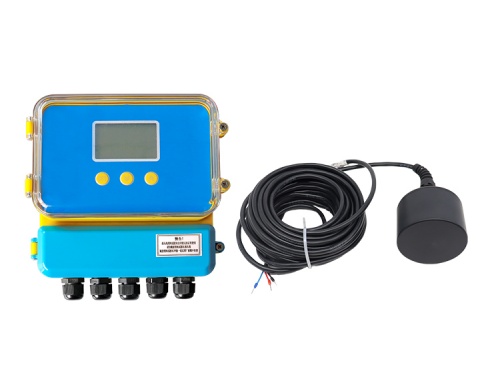
Therefore, if you have such special requirements—for example, avoiding rocks in dredging projects or detecting submerged hidden objects during wading construction—purchasing a standard unit alone is often insufficient. We need to conduct dedicated testing and verification based on your site's water quality, silt thickness, and the expected type of obstacles. Only after collecting enough comparative data in the lab or on site can we help you effectively distinguish the signal differences between silt and rocks through algorithm optimization.
In short, it is technically feasible, but implementation relies on validation. If you are facing a similar measurement challenge, feel free to contact the Dayu Electronics technical team, and we can discuss testing solutions together.