
Don't Be Misled by Frequency! Dayu Electronics Explains the Truth About Ultrasonic Transducer Operating Current
"This transducer has such a high frequency—does that mean its operating current is also very high?" This is a misconception we often hear in technical support. Many engineers instinctively link frequency with operating current when designing circuits, which often leads to incorrect power supply selection or unexpected heating issues.
Today, Dayu Electronics is here to thoroughly debunk this common industry misconception.
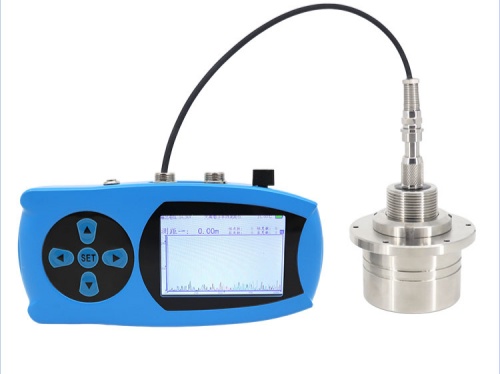
In fact, the operating current of an ultrasonic transducer is only related to its "internal consumption"—that is, its resistance—and has almost nothing to do with frequency.
Let's break it down for easy understanding. With a fixed driving voltage, the transducer acts as a load, and the load resistance determines the current level. Think of a household light bulb: with a fixed voltage, the higher the wattage, the lower the resistance, and the higher the current. The same applies to transducers—the higher the resistance, the lower the operating current; the lower the resistance, the higher the operating current.
What about frequency? Frequency is not directly involved in this calculation. Whether you use a 25kHz, 40kHz, or 200kHz transducer, under the same driving voltage, the current level depends solely on its resistance value. Frequency affects vibration characteristics, directivity, and operating range—that's a different matter and should not be confused with current.
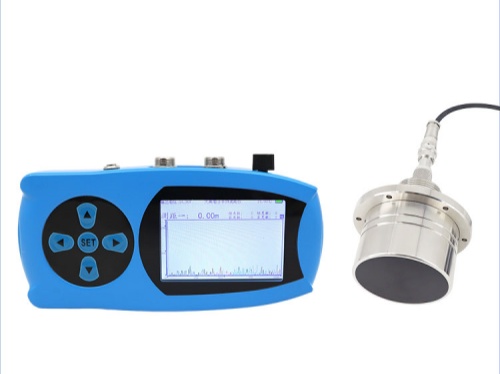
Why do we emphasize this point? In field applications, many customers habitually try to infer power consumption from frequency, but this approach doesn't work. For example, in multi-channel switching ranging systems or multi-sensor arrays, two transducers with the same frequency but different resistances can have vastly different operating currents. If you ignore the resistance parameter, you can easily overload the driver board.
When judging the "quality" or "strength" of a transducer, you should not rely solely on current magnitude. A higher current doesn't necessarily mean higher power or better performance; it's just a manifestation of resistance characteristics. Also, when matching a driving circuit, the focus should be on voltage and impedance matching, not on chasing a specific current value.
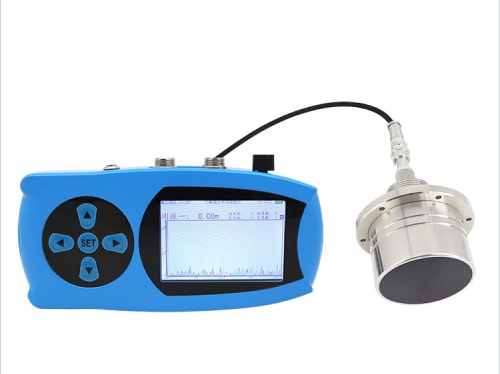
For us at Dayu Electronics, resistance and driving voltage are already incorporated into the overall matching solution during the design of different transducer series. Once customers receive the product, driving it with the recommended voltage will naturally bring the current into a reasonable operating range—no extra worry needed.
Of course, if your application is special—for instance, requiring lower power consumption or a specific current range—you can indirectly adjust the current by varying the driving voltage, but the decisive factor remains the transducer's own resistance characteristics.
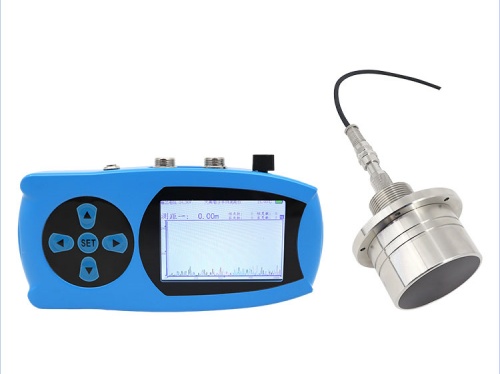
In summary: the operating current of an ultrasonic transducer is independent of frequency and depends only on resistance—grasp this key point, and you won't go wrong in selection and matching. If you still have uncertainties, feel free to contact our technical staff, and we'll provide data and recommendations based on your specific model and application scenario.