
Dayu Electronics Radar Water Level Gauge: The Precision Monitoring Choice for Unattended Field Operations
Anyone involved in hydrological monitoring knows that measuring water levels in the field is a tough job. Especially in remote river basins where the mountains are high and the roads are long, leaving equipment unattended for months can make you uneasy: with such harsh conditions and no one watching, can the data still be accurate?
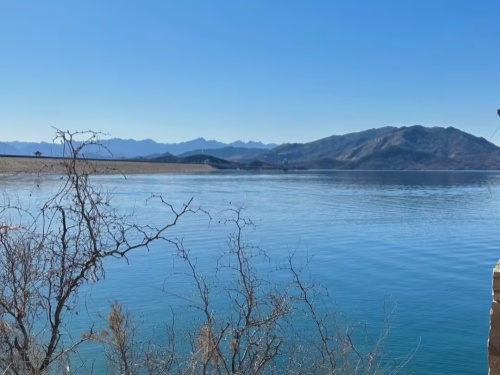
For unattended field monitoring scenarios, Dayu Electronics offers a clear core recommendation: choose a radar water level gauge. This is not just about saving manpower, but also about ensuring data stability and reliability.
Why radar in particular? Because in the field, an environment full of uncertainties, traditional contact-based measurement methods often fail. Field water bodies are complex: in summer, weeds grow thick; in autumn, fallen leaves accumulate; and in winter, ice may form. If you use float-type or pressure-type water level gauges, they are easily tangled, blocked, or buried by silt. Once the equipment is damaged and no one is on site to handle it promptly, the data stream is interrupted. By the time the next inspection discovers the issue, the damage is already done.
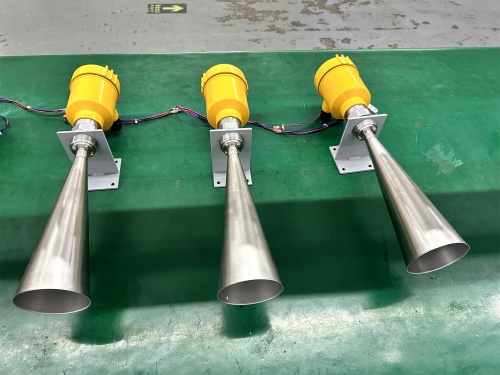
The working principle of the radar water level gauge makes it the "chosen one" for field scenarios. It uses non-contact measurement, with the probe mounted high on the bank, transmitting electromagnetic waves toward the water surface. Since it does not touch the water, it is not affected by sediment, floating debris, aquatic plants, or even ice layers. Whether it is a sudden rise in water level due to heavy rain or exposed mudflats during the dry season, the electromagnetic waves reflect back steadily, accurately locking onto the water surface position.
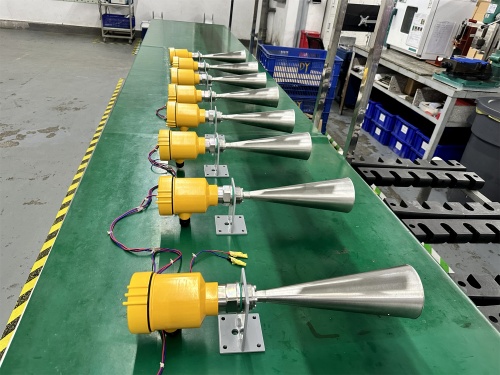
In addition, field sites often face power supply challenges and low maintenance frequency. Radar water level gauges consume very little power and, when paired with a solar power system, can fully support long-term unattended monitoring. They do not require regular manual cleaning of probes or calibration of mechanical parts, and are inherently built to "endure solitude."
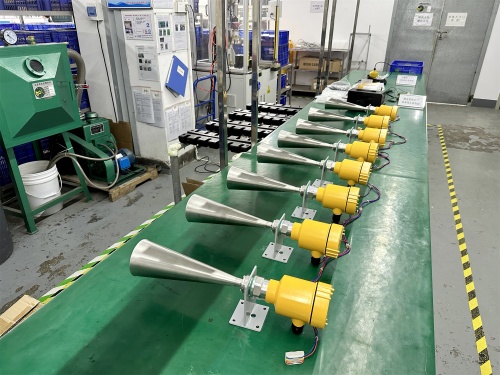
Therefore, when it comes to unattended river sections, reservoirs, or channels in the field, choosing a radar water level gauge is essentially choosing "peace of mind." It is not picky about the environment, does not fear wind and waves, and can provide you with continuous, stable water level data in a corner where no one pays attention. This is exactly the value Dayu Electronics hopes to bring to every field worker: leave the uncertainties to the equipment, and keep the certainty for your data.