
From Weak Signals to Precise Wind Measurement: Detailed Design of the Receiver Circuit in Dayu Electronics' Ultrasonic Anemometer
In the ultrasonic anemometer's R&D and design, the receiver circuit is the core link for accurately capturing weak echo signals. For the key question of "how should the receiver circuit be designed," a conventional and efficient approach is to adopt an architecture of "alternating multi-stage amplification and band-pass filtering" to progressively extract the effective signal and filter out environmental noise.
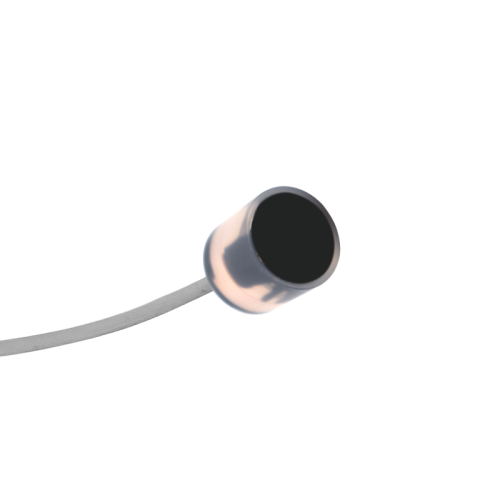
Specifically, the circuit design is typically divided into the following core steps: first, the initial signal received by the ultrasonic transducer is usually very weak, so the first step is to perform the first-stage amplification, boosting the microvolt-level electrical signal to an amplitude that subsequent circuits can process.
Next, the signal enters the first-stage band-pass filter. This step is intended to preliminarily remove out-of-band clutter, while simultaneously completing the second-stage amplification at this stage to further consolidate signal strength. Subsequently, to more precisely lock onto the target frequency, the circuit performs a second-stage band-pass filter, and during this stage completes the third-stage amplification. This alternating processing of "filtering + amplification" effectively increases signal amplitude while suppressing interference to the greatest extent, ensuring a good signal-to-noise ratio.
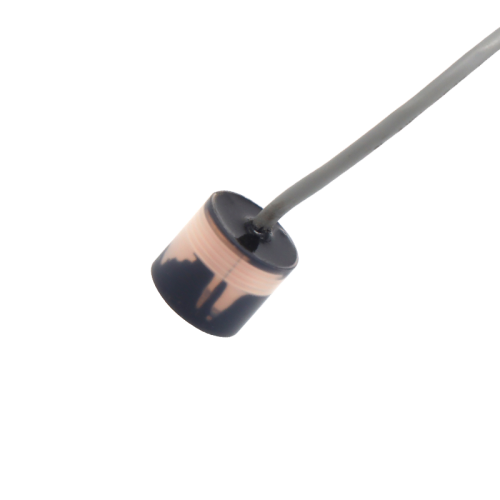
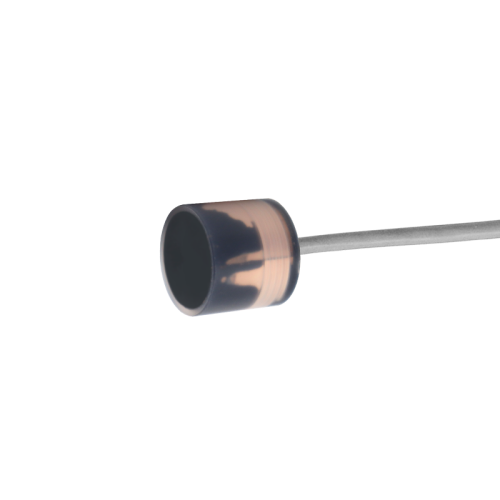
After completing signal amplification and filtering conditioning, the final step is to extract the time difference. Typically, the threshold method or envelope detection method is used to accurately identify the arrival time of the echo signal, thereby providing reliable data support for calculating wind speed and direction.
Dayu Electronics focuses on the R&D and manufacturing of high-performance ultrasonic transducers. We are committed to providing you with core probe components featuring high conversion efficiency and stable parameters, as well as the necessary interface parameters and collaborative testing support for your receiver circuit design, helping you quickly complete the validation and implementation of your complete system solution.