
Application Case Study of Dayu Electronics Hydrophones in Underwater Pipeline Leak Detection
I. Background
This originates from the safety maintenance needs of pipeline systems in complex underwater environments, including offshore oil and gas development, urban water supply, and subsea transportation. As underwater pipelines continue to expand in scale, traditional manual diving operations face challenges such as depth limitations, high safety risks, and short operational windows, while optical detection methods often fail in turbid water due to poor visibility.
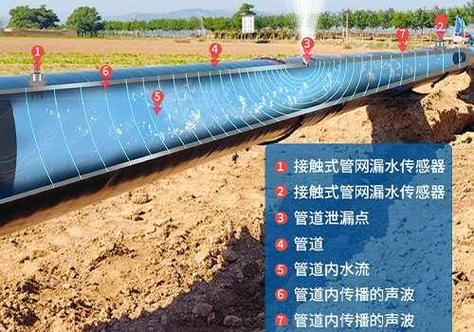
Consequently, underwater inspection robots equipped with multiple sensors have emerged to replace humans in performing tasks such as inspecting inner and outer pipe walls, locating leaks, cleaning, and simple repairs under deep-sea, strong current, low-temperature, and zero-visibility conditions, thereby improving inspection efficiency and safety, and serving as critical technical equipment for ensuring the long-term reliable operation of underwater pipelines.
Installing hydrophones on underwater pipeline inspection robots is primarily aimed at addressing the limitations of traditional optical and manual inspection methods in turbid and deep-sea environments. By leveraging the high sensitivity of hydrophones to capture the specific acoustic signals generated by pipeline leaks, this technology enables precise "listening for leaks" regardless of water visibility. This technology holds critical value in leak detection for offshore oil and gas pipelines, urban water supply networks, and underwater production systems (e.g., manifolds and flange connections). It can be mounted on ROVs for full-depth inspection or used on in-pipe robots for precise localization of micro-leaks. Compared with manual diving, cameras, or chemical detection methods, it offers advantages in real-time performance, high sensitivity, and environmental adaptability, making it an essential acoustic means for ensuring the safe operation of underwater pipelines.
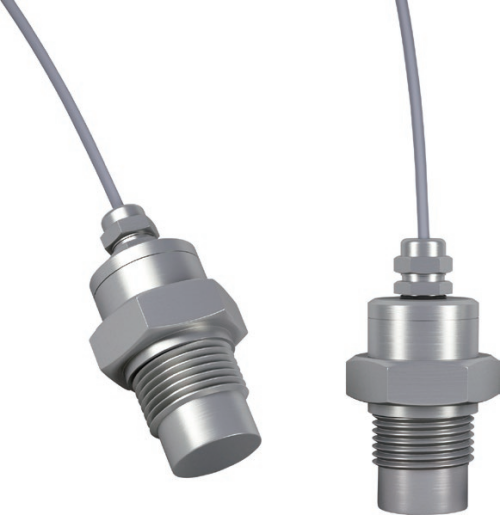
II. Operating Conditions
1. Mounting Platform: Underwater pipeline inspection robot
2. Working Environment: Wastewater tank
III. Parameters and Selection
1. Initial Parameter Requirements:
Frequency Response: 20Hz–20kHz
Sensitivity: >-180dB re 1V/uPa
Directivity: Omnidirectional
Working Depth: ≤20 meters
Working Temperature: 0–40°C
Output: Analog signal, built-in preamplifier preferred
Housing: Corrosion-resistant, suitable for prolonged immersion in wastewater
Consistency: Frequency response and sensitivity variation within the same batch ≤ ±1dB
The smaller the size, the better, provided all the above requirements are met.
2. Our M26 Hydrophone can basically meet the customer's needs, but our consistency is ≤ ±3dB, and the price does not meet the customer's requirements.
3. After learning this, the customer wanted to reduce features to achieve the target price. Following communication with the customer, it was decided to remove the built-in preamplifier from the hydrophone, retaining only the transducer element and housing, with the output as the raw signal.
4. After coordinating with the technical department, it was decided to modify the newly developed M24 hydrophone, as shown in the figure:
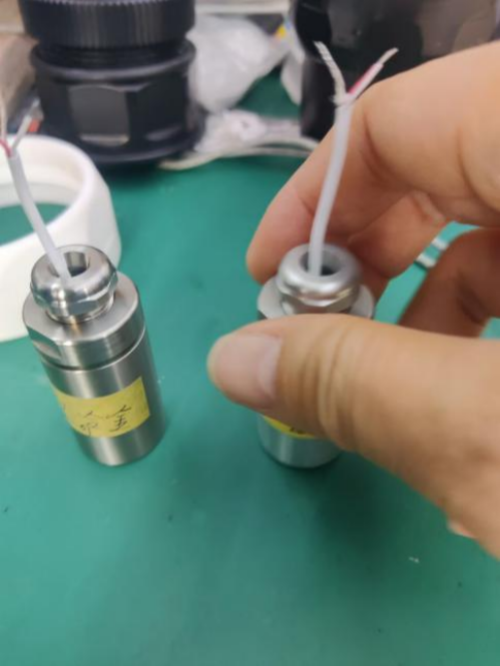
The M24 hydrophone is smaller in size compared with the M26, and the housing is available in both titanium alloy and 6061 aluminum alloy, not just stainless steel. Considering cost and operating conditions, the customer selected the 6061 aluminum alloy housing.
Subsequently, the customer continued designing their underwater pipeline inspection robot based on our hydrophone.