
Dayu Electronics: How to Choose the Best Ultrasonic Level Measurement Solution for Your Needs
When choosing a level meter, signal output and interface options often cause confusion. Some people prefer the simplicity of integrated installation but worry about incomplete functionality; others value the flexibility of a split design but are concerned about complex wiring.
In fact, Dayu Electronics' ultrasonic level meters are no longer a single-choice proposition.
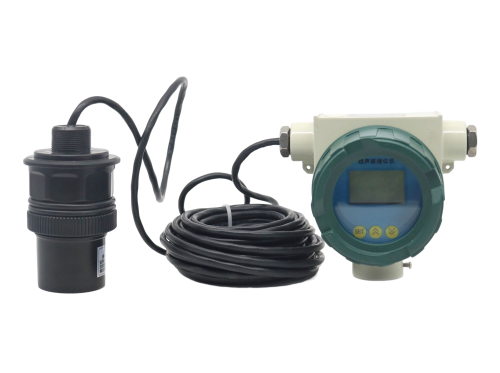
Whether integrated or split, both support analog signal and RS485 communication interfaces simultaneously. This means you don't have to compromise on functionality. The integrated design is compact, comes with a 4-20mA current signal and 485 communication, delivers stable output, and offers clear wiring. The split design separates the sensor from the transmitter, equally providing dual signal output capability, with the main unit offering multiple wiring ports.
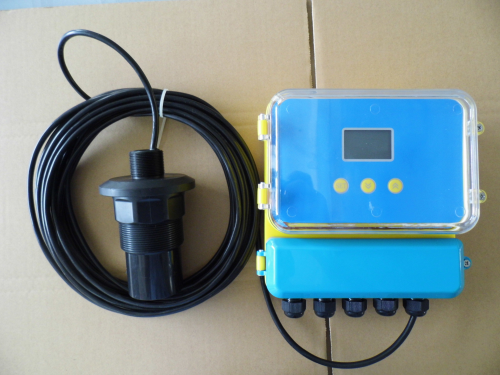
So, where do the real selection criteria lie?
Look at the application scenario. If it's a ground-level water tank or an underground buried tank, where personnel don't need to climb up for inspection and the medium is not highly corrosive, the integrated design is the optimal solution. Installation is a simple hang-and-connect process, saving time and effort, with the signal transmitted directly to the control system over distance. For applications where data simply needs to be sent out without frequent on-site operation, it provides reliable peace of mind.
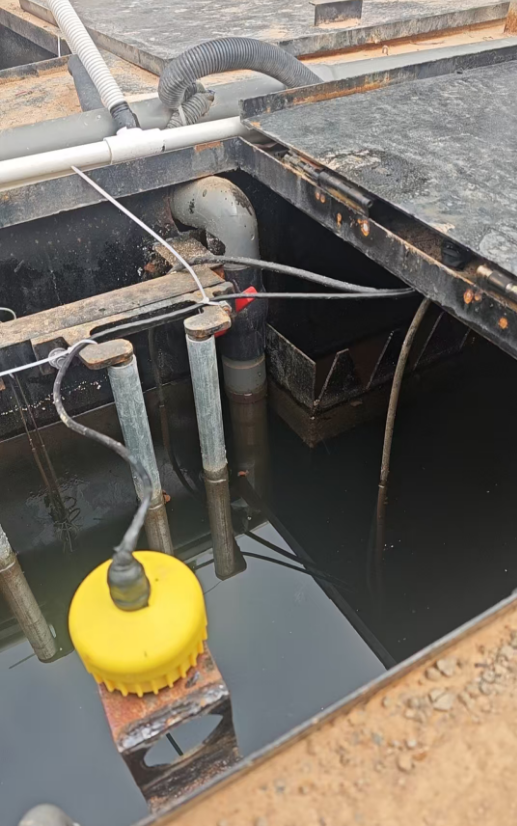
But what if the tank or silo requires periodic manual inspection of the level from the top? This is where the advantages of the split design become apparent. The sensor is mounted on the tank top, while the main unit is placed in a convenient lower position for reading, and the dual signal output remains reliable. For measurement points where environmental hazards make it unsafe for personnel to approach, the split design allows you to obtain accurate 4-20mA feedback and comprehensive 485 data packets from a safe distance.
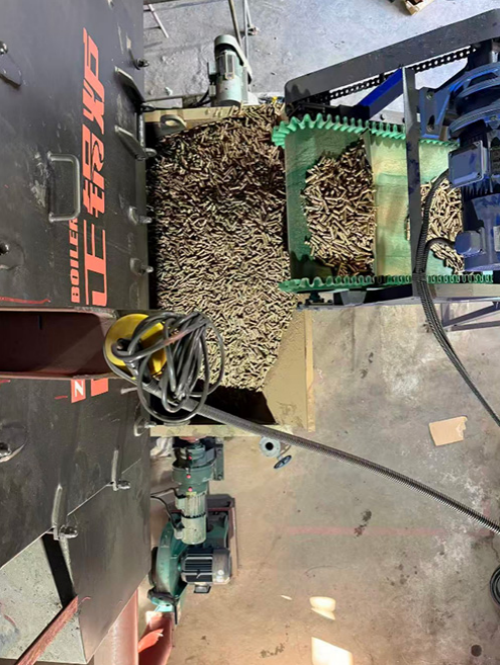
Pay even closer attention to the "temperament" of the medium. When dealing with highly corrosive liquids, even a corrosion-resistant integrated unit must consider the potential threat of corrosive vapors to the electronic circuitry. The split design physically separates the core electronics from the measurement point, providing a better protective barrier for the transmitter from a structural standpoint, while signal output continues to operate stably without interference.
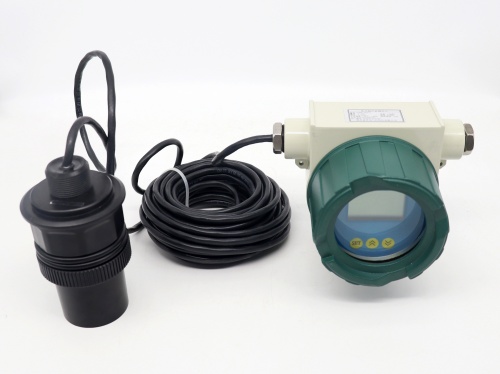
So, stop asking "which one has 485." Dayu Electronics provides the answer with full-series support. The true wisdom is shifting your focus from "does it have it" to "where is it better suited." Your tank, your water pool, your medium's characteristics — they are the ultimate judges in deciding between integrated and split configurations.
The next time you plan a level monitoring solution, start by surveying the site and understanding the operating conditions. All the functions are ready; all you need to do is choose the most suitable "standpoint" for it.