
Dayu Electronics Ultrasonic Distance Sensor: The Little Secret Behind Accurate Distance Measurement—How Much Do You Know?
But have you ever encountered this situation: facing an uneven wall, you want to use an ultrasonic distance sensor to measure its distance. The data returned on the screen—what point does it actually correspond to? Is it the nearest protruding point, or some average height? This question, like a windshield blurry with rain, leaves you feeling uncertain.
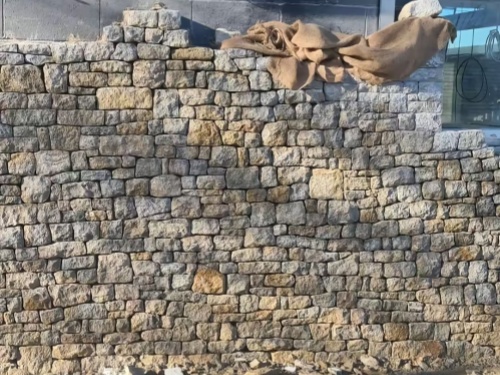
In fact, this "little secret" lies in the physical properties of sound waves. When the Dayu Electronics ultrasonic distance sensor operates, the probe emits a beam of sound waves. After hitting an obstacle, the waves reflect back and are received by the same probe. By calculating the time difference of the round trip, the device can precisely determine the distance. So, when facing an uneven surface, which point does it actually "see"?
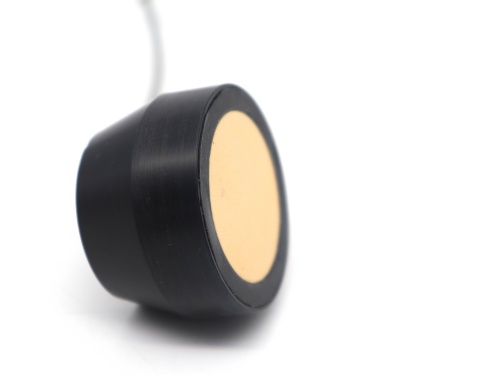
The answer is: usually, it "sees" the point closest to the probe within the area covered by the sound beam.
This is because the sound wave reflected from that nearest point arrives at the receiving probe first. The sensor's internal timer is highly sensitive; it "captures" this first echo signal and calculates the distance based on it. It's like on a rainy night—your eyes are always drawn to the nearest, brightest headlight first.
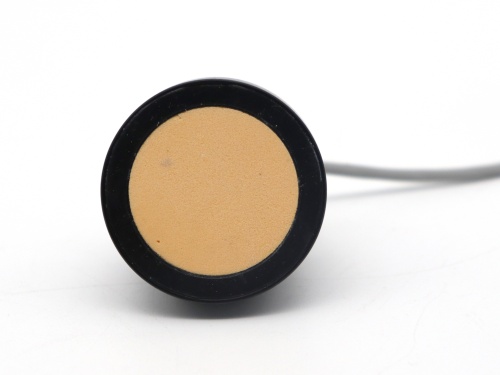
Of course, nothing is absolute in life. This little secret also has its "special cases." If the nearest surface is very smooth, the sound wave may be deflected away like a skidding raindrop, or if the surface material (such as sponge or thick flannel) absorbs the sound wave energy like a water-absorbing road, the effective echo may not return properly. In such cases, the sensor might "settle for less" and capture a sufficiently strong echo reflected from a slightly farther point, then return the distance value for that point. However, in most industrial applications—such as those for which Dayu Electronics' sensors are designed—their stable performance and precise directivity ensure they firmly lock onto the "first target."

Understanding this little secret helps you see why this technology has become the "eyes" of underwater robots and industrial automation equipment. Whether scanning complex underwater terrain or detecting corrosion pits on the inner walls of pipes, it can keenly capture that critical "nearest point," providing a reliable data foundation for intelligent obstacle avoidance or precise measurement. It may not see every detail of the wall, but it always tells you how close the danger or target is.
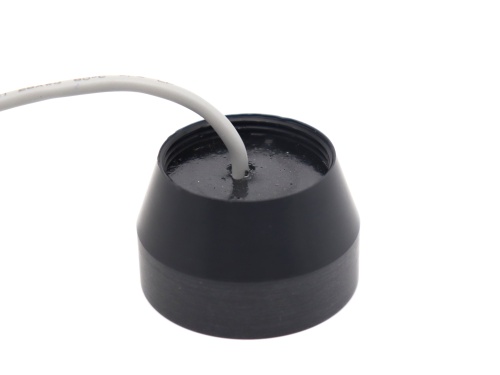
Next time you see a number pop up on the sensor screen, allow yourself a knowing smile. That's not just a cold reading—it's a sound wave finding the most direct, most practical answer for you in a complex world.