
Dayu Electronics: Installing "Anti-Collision" on Excavators — Key Points for Ultrasonic Distance Sensor Installation
Have you ever heard that sound—just as the swing completes, a sudden "thud," and your heart sinks along with it?
On a construction site, the scariest thing isn't the roar of the engine, but this kind of unexpected scrape. Many people install Dayu Electronics ultrasonic distance sensors on their excavators for anti-collision, thinking that buying the right equipment is all it takes. In reality, the real source of problems is—installation.
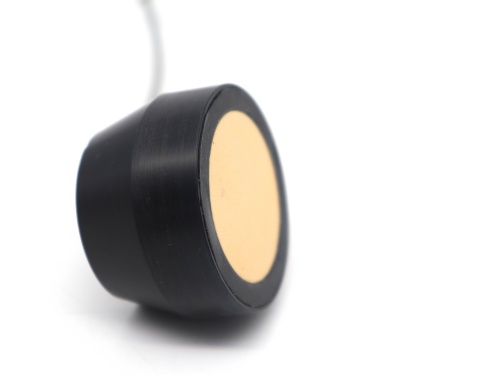
Dayu Electronics wants to make a few points clear: if installed poorly, even the best sensor is useless.
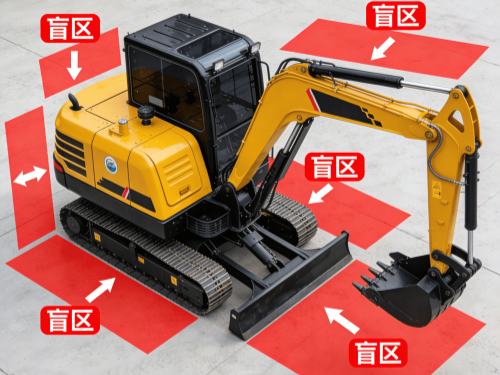
① Wrong placement = "blind as a bat"
Where the sensor is installed determines what it "sees."
Rear: Covers the swing blind spot; essential for tight workspaces
Cab roof: Looks down to detect low obstacles on both sides
Boom base: Monitors changes in swing radius
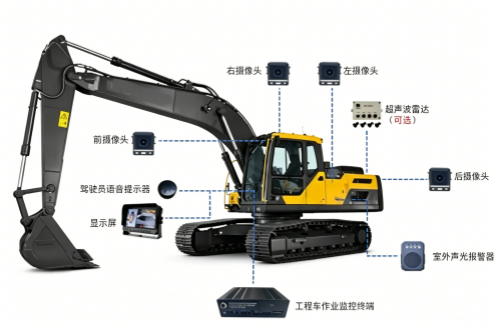
To get close to 360° coverage, typically 4–6 points should be arranged around the machine—far more reliable than "installing just one for peace of mind."
② First golden rule: It must be rock-solid
What is an excavator? It's a "vibration-making machine."
If the bracket isn't secure, the angle shifts, and the alarm distance goes haywire; if the bolts loosen, false alarms and missed alarms both appear.
We recommend using a thick stainless steel bracket, tightening bolts evenly, and fixing the angle properly—staying tight over the long term is more important than cranking it down hard at first.
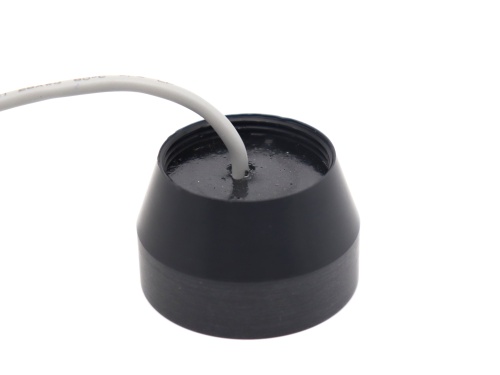
③ Add vibration dampening, but don't make it a "bobblehead"
Many people know to add rubber pads for vibration dampening—that's correct.
But dampening ≠ making it soft. Too soft causes the probe to wobble slightly, making the detection boundary drift—symptom: it beeps sometimes, then doesn't.
Remember: Dampening is to prevent loosening, not to compromise stability.
④ Exposed without protection? Expect early "retirement"
Flying rocks, rebar ends, side scrapes—all target exposed parts.
We recommend adding a protective cover or sleeve, so the "first impact point" lands on the protective structure, not on the sensor itself. Don't let it get "injured on the job" right after installation.
⑤ Wiring harness: the most overlooked weak link
Many systems fail not at the probe, but at the wiring.
- Power from the key ACC position; don't connect directly to the battery
- Wrap the harness in corrugated conduit
- Keep away from moving parts and hydraulic lines
In short: route it neatly, secure it firmly, and protect it fully.
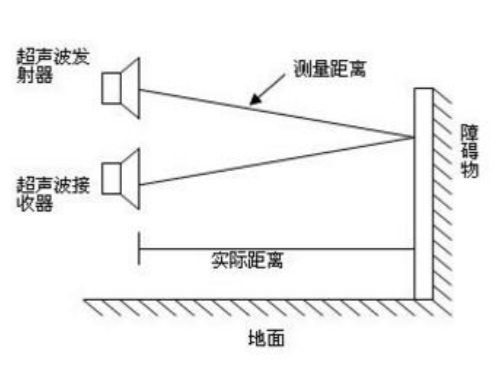
Installing ultrasonic anti-collision is never just "install and done," but rather:
? Correct positioning ? Solid structure ? Reasonable dampening ? External protection ? Proper wiring
Do these right, and it becomes your safety guard that "reminds you one second early," not a decoration that "beeps occasionally."
Dayu Electronics, with its outstanding custom development capability and one-stop service system, provides deeply tailored ultrasonic solutions for various industries. We firmly believe that the vitality of ultrasonic technology lies in the endless expansion of its application scenarios.