
Dayu Electronics: Does the Operating Temperature of Ultrasonic Anemometers Affect Measurement Signals?
In the practical application of ultrasonic anemometers, ambient temperature is one of the key factors affecting the transducer's measurement signal strength. Recently, some customers have asked: "Does the operating temperature of the anemometer's transducer affect the measurement signal?" This is a very practical question, especially for those using the device in extreme environments. Today, Dayu Electronics will discuss this topic.
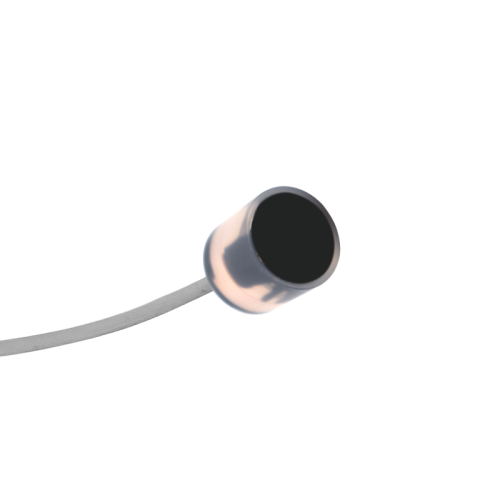
The answer is: Yes, it does, and the impact is significant.
Let's first talk about standard ultrasonic transducers: taking the signal strength at 20°C as 100%, if the temperature drops to -30°C to -40°C, the signal strength drops to only 10%; when it rises to 60°C to 80°C, the signal is only 10% to 20%.
Are there more temperature-tolerant options? Of course! Our low-temperature ultrasonic transducer is specifically optimized for cold environments: again using 20°C as the baseline, the signal strength can remain at 30% at -30°C to -40°C (20% higher than the standard model), but at high temperatures of 60°C to 80°C, the signal still drops to 10% to 20%.
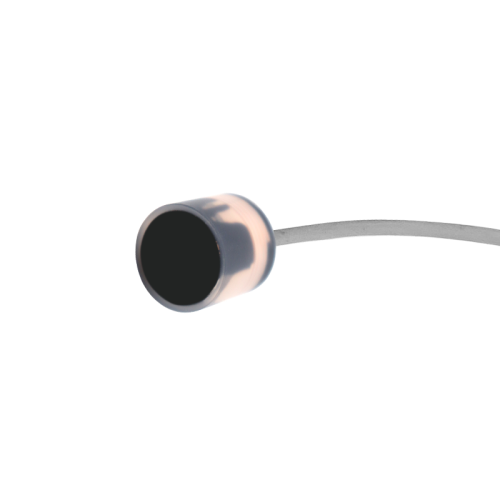
Why does temperature have such a big impact? In simple terms, the transducer relies on the vibration of piezoelectric material to transmit/receive ultrasonic waves. When the temperature is too low, the material becomes "brittle," and the vibration weakens; when the temperature is too high, the material becomes "loose," and energy loss is rapid—so the signal naturally drops.
Therefore, when selecting a model, you must consider the site temperature: if it's for severely cold winter regions like Northeast or Northwest China, prioritize the low-temperature model; if it's for high-temperature industrial environments (e.g., steel plants, near boilers), you may need a custom high-temperature-resistant model.
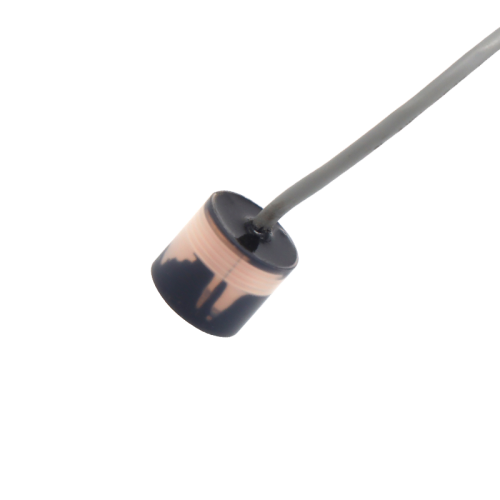
Therefore, we recommend that users fully consider the climatic conditions of the installation site when selecting a model. If the application involves severely cold regions, it is recommended to prioritize Dayu Electronics' low-temperature transducers to ensure stable monitoring performance under all weather conditions.