
Dayu Electronics Externally Mounted Ultrasonic Level Switch: Making Tank Level Alarms More Reliable and Safer
Many sites truly lack a reliable answer: Has the level been reached? If yes, alarm; if not, don't make noise.
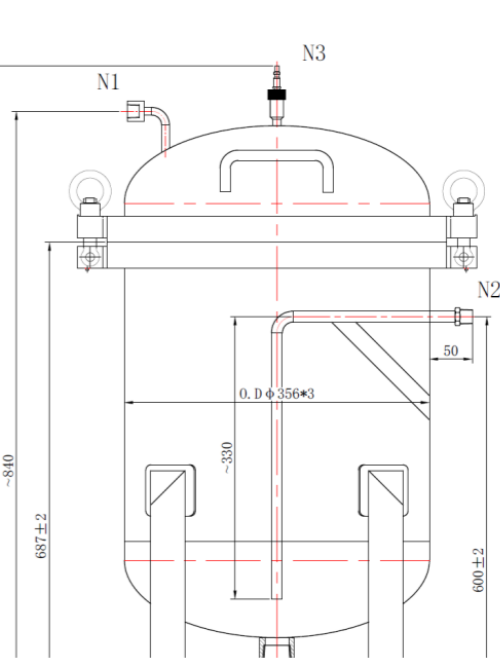
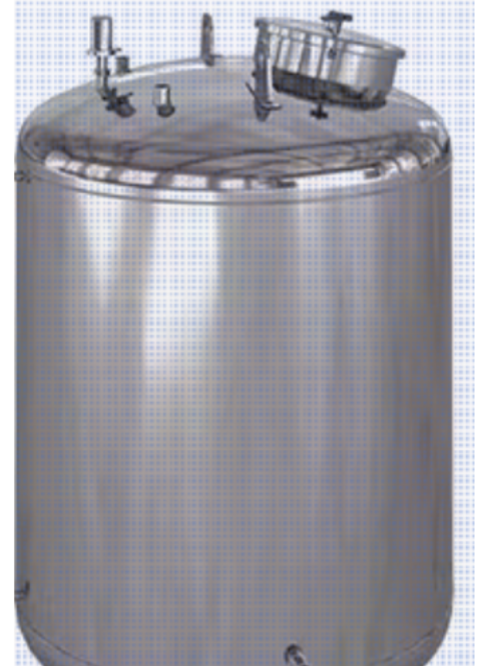
The customer's operating conditions are typical: stainless steel tank, 3 mm wall thickness, no lining, and a 1.5 cm diameter metal pipe in the middle of the tank. The requirement is also clear—no continuous level value, just a stable switching signal. But it is precisely such 'seemingly simple' requirements that put the safety, stability, and long-term maintenance costs of the solution to the test.
In such scenarios, the value of the Dayu Electronics externally mounted ultrasonic level switch is straightforward: no hole in the tank wall, the instrument does not contact the liquid inside the tank, nor the gas inside. For users, the biggest benefit is not 'impressive parameters' but cutting off risks and troubles from the very beginning.
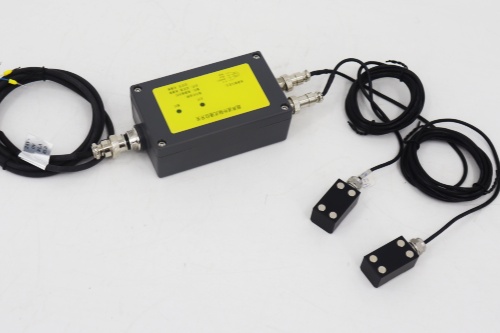
How can it determine the liquid level while being externally mounted? The core logic is: the sensor transmits ultrasonic signals, which pass through the tank wall into the tank. Because of the significant difference in acoustic impedance between liquid and air, the reflected signal strength will show a clear difference. By detecting this strength change, the device can determine whether the level has reached the set point and output an alarm signal via a relay—matching the 'switching signal only' requirement perfectly.
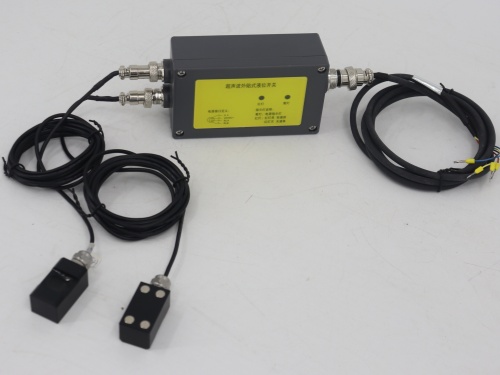
The most site-friendly points are: quick installation, minimal modification, and low production impact. Maintenance is also easier—no tank cleaning, no hot work, and no disruption to normal production. Many factories fear not buying equipment but 'stopping production once to install a switch and once more for inspection.' The externally mounted approach is to minimize these hidden costs.
Based on the current conditions, we recommend using a 1M level switch transducer, with one transducer installed on each side of the tank. The dual-side arrangement ensures a more stable judgment signal when structural components like the metal pipe exist, making the boundary between 'in place' and 'not in place' clearer and reducing chain effects from false triggering.
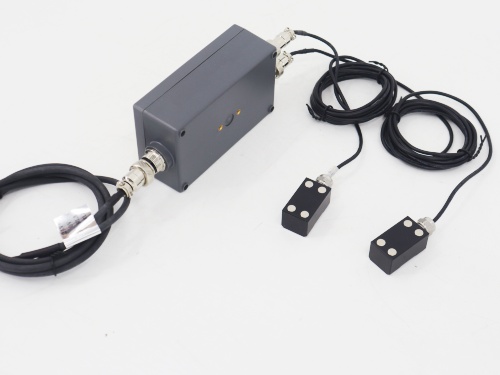
Finally, two details that directly affect the experience: first, do not use gas ultrasonic or electromagnetic equipment nearby to avoid mutual interference causing false triggering; second, when installing the probe, route the protective hose downward in an arc to prevent water ingress and reduce cable tension on the probe, ensuring long-term stability.
Ultimately, level alarming is about being 'reliable, trouble-free, and providing a warning before problems occur.' The value of the externally mounted ultrasonic level switch lies in simultaneously addressing safety, efficiency, and maintenance costs.