
Hidden Secrets in Shrimp Ponds: How a Small Sensor Stabilizes Yield? [Dayu Electronics]
In the tranquil waters of aquaculture, every detail can determine the success of an entire season's harvest. Have you ever considered that the seemingly ordinary sensor, used only for measuring water depth, might be the "anchor" that safeguards shrimp growth and ensures farming profitability?
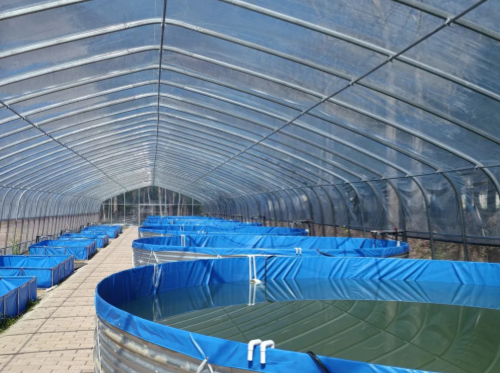
Today, we discuss a customer scenario: accurately measuring a water level of about 5 meters in a clear shrimp pond. This is not a simple observation; it directly impacts feed delivery, dissolved oxygen control, and ultimately the economic returns. To address this, we recommend a powerful tool—the Dayu Electronics M36 underwater distance sensor.
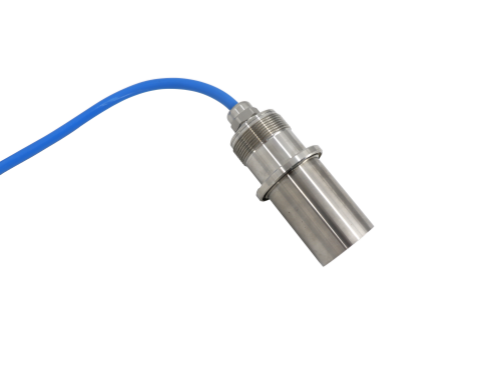
Why is the M36 an ideal choice for clear water and a 5-meter range requirement?
First, it offers precise coverage that fits the need. The M36 provides multiple range options, operating on ultrasonic principles. The sensor probe emits sound waves that reflect off the water surface and return; by calculating the time difference of the sound wave transmission, it can accurately determine the distance from the probe to the water surface. For a 5-meter depth measurement, selecting a version with the corresponding range avoids the cost waste of "overkill" while ensuring measurement margin and stability within the set range. Its measurement accuracy reaches ±0.5% of the range, and the blind zone is minimized, ensuring reliable data even in shallower pond water.
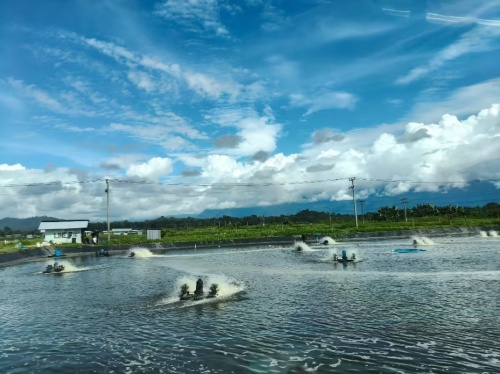
Second, it adapts seamlessly to the farming environment. Although shrimp pond water is clear, the working environment is still one of prolonged submersion. The M36 sensor boasts high-grade IP68 protection, with a fully sealed, integrated design that withstands long-term freshwater exposure and is impervious to water intrusion, providing a physical guarantee for stable, long-term operation. This reduces the risk of monitoring interruptions due to equipment failure.
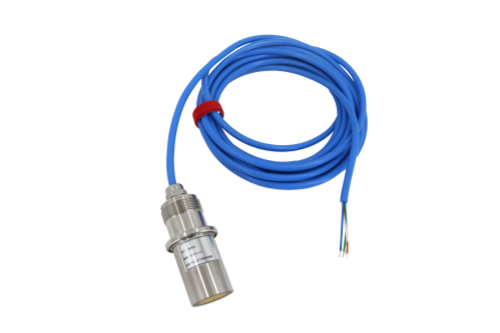
Third, deployment and maintenance are hassle-free. The sensor outputs data via a standard RS485 digital interface using the universal Modbus-RTU protocol. This allows easy integration into automated monitoring systems in aquaculture farms, enabling remote, real-time reading and recording of water levels. During installation, simply aim the sensor's transmitting face vertically toward the water surface and secure it in a location away from water inlets or aerators that could cause water turbulence or noise interference, ensuring optimal echo quality and the most accurate measurement results.
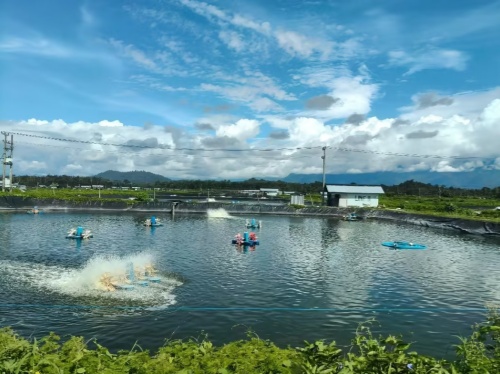
Water quality management is a fine art, and water level data is the foundation. Stable water depth means key parameters like water temperature and dissolved oxygen levels are more controllable, creating a more stable growth environment for shrimp. By continuously monitoring water level changes, farmers can manage water intake and drainage more scientifically, indirectly aiding in water quality regulation, and thereby potentially enhancing farming success rates and output quality.
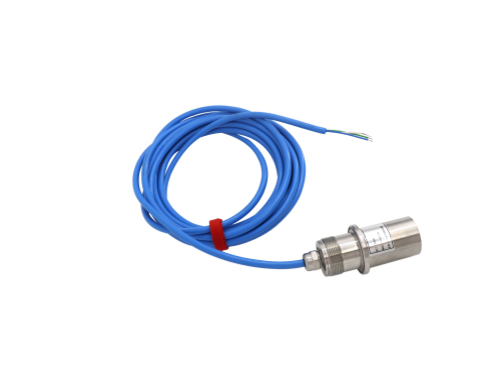
Integrating such a reliable tool into daily farming management is like adding a silent, dedicated "water level sentinel" to the pond. It doesn't draw attention, yet it continuously provides crucial data support, giving experience-based judgments a clearer data foundation. On the path toward refined, intelligent modern aquaculture, using every sensor well might just add a more certain weight to a bountiful harvest.