
Dayu Electronics: How to Distinguish Between a Leak and Normal Water Usage with Hydrophone Leak Detection
“In a tap water pipeline, a hydrophone picks up a 'water sound.' Is it the pipeline leaking or residents using water normally? How to accurately identify leaks from complex background noise and quickly pinpoint the leak location has always been a challenge for engineers.
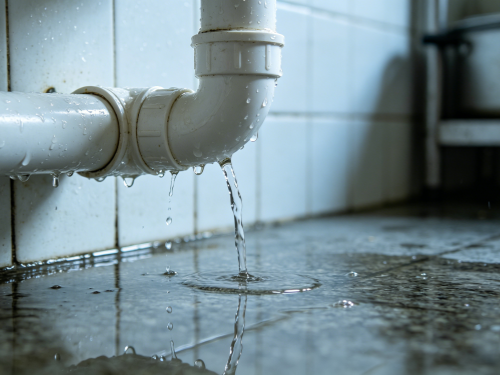
"How do you distinguish between the frequency of a leak and that of daily water usage?" Today, Dayu Electronics will unveil the professional working principles of hydrophones in pipeline leak monitoring.
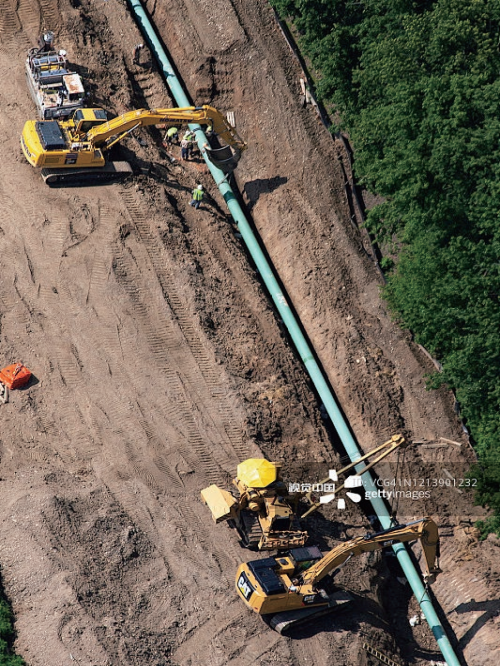
Suppose we install a set of hydrophones every 200 meters along a straight tap water pipeline for receiving and monitoring. To accurately measure the leak location, our system will follow these rigorous steps:
First, the system performs BeiDou positioning for both hydrophones and completes BeiDou time synchronization to ensure microsecond-level precise synchronization of acquisition times between the two devices. Subsequently, both devices simultaneously begin collecting acoustic signals from within the pipeline (for example, capturing 10 to 20 seconds of waveform data) and transmit these raw acoustic waveforms to the backend server in real time.
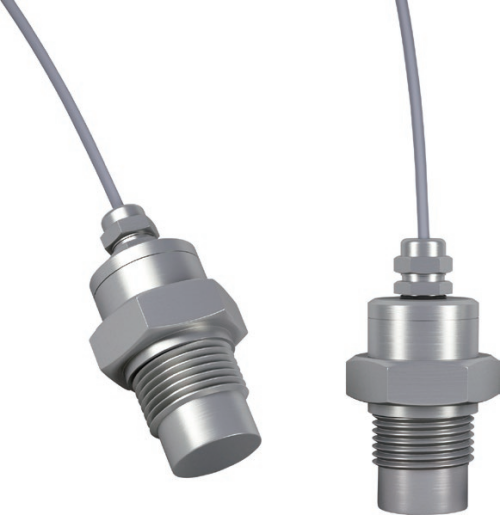
Key question: How to distinguish between leak sound and water usage sound?
? Water usage sound: Typically short-term and unstable, with the frequency fluctuating with valve operations and occurring mainly during peak morning and evening hours.
? Leak sound: Has a very distinct feature—continuous and stable. No matter when you listen, that frequency always persists and does not suddenly disappear. As long as this 'stable frequency' is found simultaneously on both hydrophones, interference from normal water usage can be ruled out.
On the server side, the core algorithm performs spectral analysis on the two waveform segments, extracts specific frequency characteristics, and determines whether they contain typical leak sound frequency bands. Once the presence of leak characteristic frequencies is confirmed, the system further conducts high-precision phase difference comparison between the waveforms from both ends. By calculating the time difference of sound wave arrival at the two different monitoring points, the system can use triangulation principles to accurately determine the specific leak location relative to the two hydrophones.
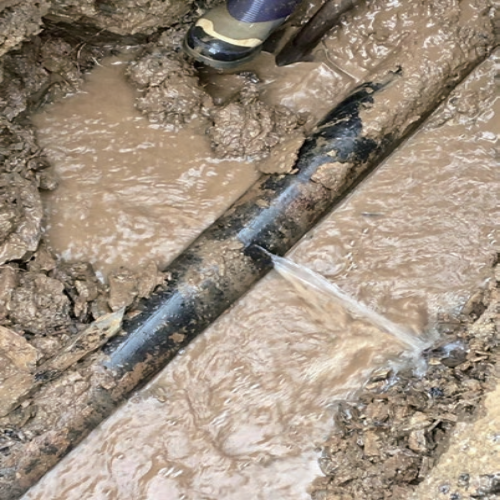
Of course, due to the complex soil media, pipe materials, and environmental noise interference in underground pipelines, the results from current acoustic positioning technology may have some deviations. In current practical engineering applications, positioning errors can typically be controlled between ±5 meters and ±15 meters.
The key to successful hydrophone leak detection is: synchronized acquisition + stable frequency identification. If you are planning a pipeline network leak monitoring system, feel free to contact us for a detailed solution. Dayu Electronics, using audible technology to safeguard invisible pipelines.