
Dayu Electronics Ultrasonic Level Meter Anti-Corrosion Probe Nut Material Selection Guide
When selecting an ultrasonic level meter, many customers focus on the anti-corrosion performance of the probe itself, but often overlook a "small component"—the nut that secures the probe. Recently, a user asked us: "What material is the nut that comes with the anti-corrosion probe?"
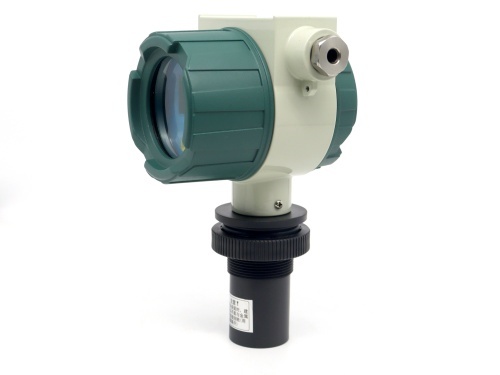
Dayu Electronics will give you a straight answer: the default is ABS. ABS offers excellent resistance to acids, alkalis, and impacts, meeting the anti-corrosion needs of most industrial scenarios (such as wastewater treatment and chemical storage tanks). It is lightweight, low-cost, and cost-effective.
If your operating conditions are more "demanding," such as:
? The medium is a strong acid, strong alkali, or organic solvent
? The ambient temperature is high or fluctuates significantly
? Prolonged immersion in corrosive liquids
Then we recommend PTFE (polytetrafluoroethylene). PTFE nuts offer far superior corrosion resistance compared to ABS, reacting with almost no chemicals, and have a wider operating temperature range (-200°C to 260°C), making them especially suitable for long-term stable operation in extreme environments. Although the cost is higher, they ensure the sensor remains securely fixed in harsh conditions, preventing probe loosening or falling due to nut failure.
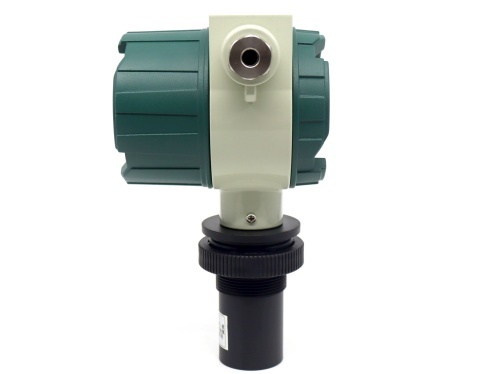
During installation, do not over-tighten the nuts. Both ABS and PTFE are plastic materials; excessive torque can cause thread stripping. If used with a metal flange, it is recommended to add a rubber gasket between the nut and the flange, which provides both sealing and stress relief.
Dayu Electronics always believes: details determine reliability. A small nut, if chosen correctly, allows the entire level meter to work reliably for years. If you are unsure whether your medium requires PTFE nuts, feel free to contact our technical team, and we will help you with specific material recommendations.