
Dayu Electronics: How to Choose the Right Beam Type for Your Fish Finder Transducer
During the development and production of fish finders, many clients are initially puzzled by the question of whether to choose a single-beam or multi-beam transducer. In fact, the choice of beam type is not the primary decision; the core prerequisite is to clarify your product positioning—only by precisely matching the needs of your target customer group can you select the most suitable and competitive fish finder transducer solution. This is the core experience Dayu Electronics has accumulated over many years of deep involvement in the ultrasonic transducer field, providing selection support to numerous clients.
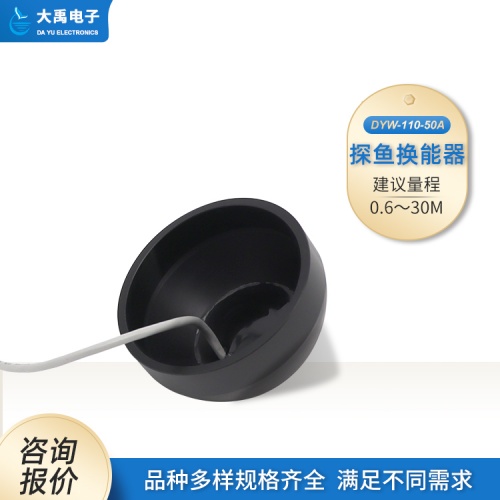
To determine product positioning, you need to focus on four core questions and break down your requirements layer by layer: define the target customer profile, clarify their core needs and pain points regarding fish finders, distinguish the mainstream fishing methods of the customer group (such as still fishing, lure fishing, sea fishing, etc.), and define the acceptable price range for your customers. These four questions directly determine the beam selection direction of the transducer and whether the product can precisely meet market demand, achieving a dual breakthrough in both reputation and sales.

For the low-end market, if your target customers can accept a fish finder price within 1,000 RMB, a single-beam transducer is the optimal choice. This customer group tends to focus more on cost-effectiveness, and their core need is basic fish-finding functionality. A single-beam transducer can reliably deliver core functions such as water depth detection and fish school location, meeting the needs of everyday leisure fishing. Alternatively, a traditional five-beam transducer can further optimize the identification of fish school position relative to the bait, balancing practicality and cost control to suit the core demands of the low-end market.
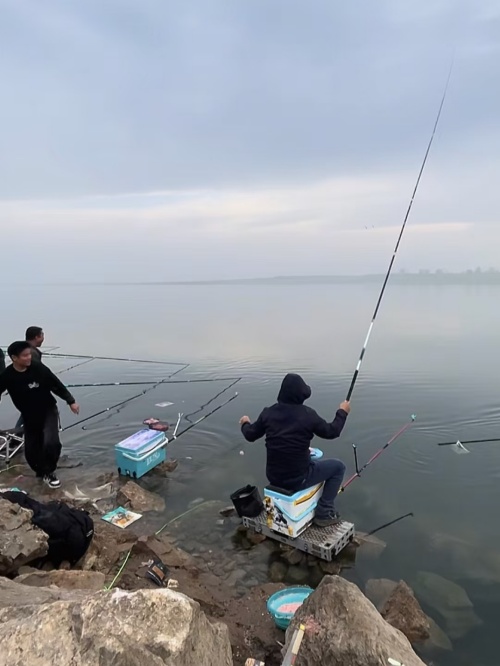
For mid-range users, a multi-beam transducer is the inevitable choice. Mid-range customers have higher requirements for detection accuracy and detection range; they are no longer limited to basic fish finding but are more concerned with the precise presentation of fish school distribution and underwater topography. At this point, there is no need to debate whether to use multi-beam—instead, you should refine the parameters based on demand: reasonably plan the number of scanning beams and depth-sounding beams, combine this with the customer group's need for positioning functions, and match it with a suitable multi-beam transducer. This not only meets the performance requirements of the mid-range market but also achieves a balance between cost and user experience.
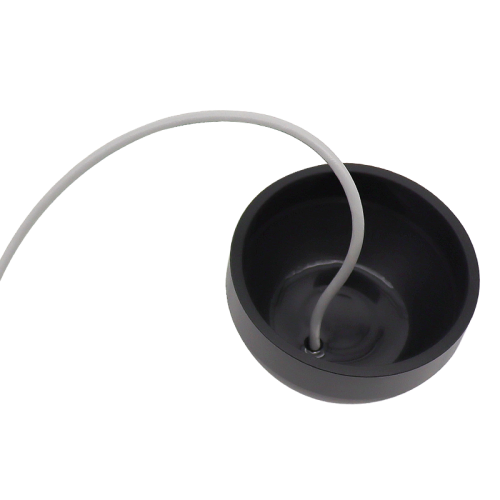
If you focus on the high-end market, a phased-array dynamic probe is the core configuration. High-end customers are mostly professional anglers or commercial users with extremely high demands for detection accuracy, response speed, and dynamic adaptability. Phased-array technology enables omnidirectional dynamic scanning, precisely capturing underwater fish school dynamics and complex terrain. Combined with Dayu Electronics' mature transducer technology, it can build a core competitive advantage for high-end fish finders and highlight the technical superiority of the product.
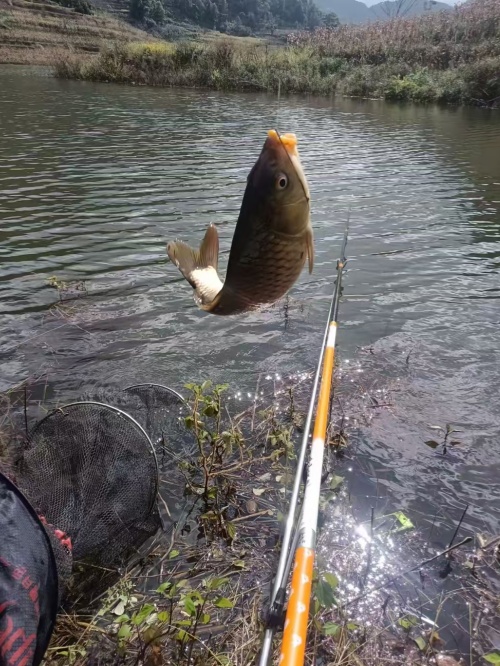
Dayu Electronics specializes in the R&D and production of fish finder transducers. Leveraging solid technical expertise and scenario-based adaptability, we can provide full-series solutions—including single-beam, multi-beam, and phased-array dynamic probes—based on the client's product positioning. These solutions balance performance and cost, helping clients precisely target different market tiers and unlock new market potential for fish finder products.