
From Piezoelectric Ceramics to Cable: A Complete Breakdown of Dayu Electronics' Hydroacoustic Transducer Materials
Hydroacoustic transducers are core devices that convert acoustic energy into electrical energy and vice versa, widely used in underwater detection, ranging, positioning, and communication. So what materials make up a reliable underwater ultrasonic probe? Dayu Electronics explains them one by one.
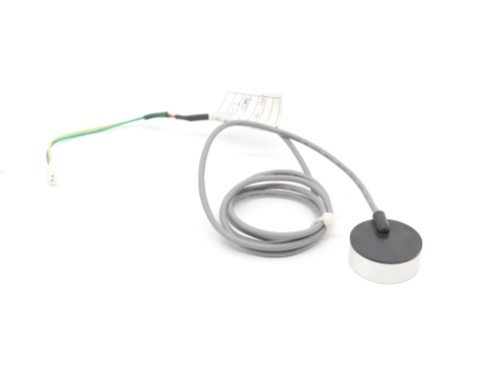
A typical hydroacoustic transducer consists of four main categories of materials: piezoelectric ceramics, adhesives, structural components, and cables.
1. Piezoelectric Ceramics – The Core Transducing Element
Piezoelectric ceramics are the "heart" of the transducer. They exhibit the piezoelectric effect: generating an electric charge under mechanical stress (receiving sound waves), and conversely deforming and radiating sound waves when subjected to an electric field (transmitting sound waves). The piezoelectric ceramics used by Dayu Electronics feature high electromechanical coupling coefficients, high Curie temperatures, and stable aging characteristics, ensuring reliable sensitivity and transmit response during long-term operation.
2. Adhesives – Bonding and Acoustic Matching
Adhesives serve multiple roles in a transducer: first, they firmly bond the piezoelectric ceramics to the radiating head (or backing); second, as part of the acoustic matching layer, they adjust the acoustic impedance to transfer acoustic energy more efficiently from the ceramic into the water; third, they are used for cable joints and overall sealing. Dayu employs specialized acoustic adhesives and water-resistant epoxy adhesives to balance sound transmission and waterproof reliability.
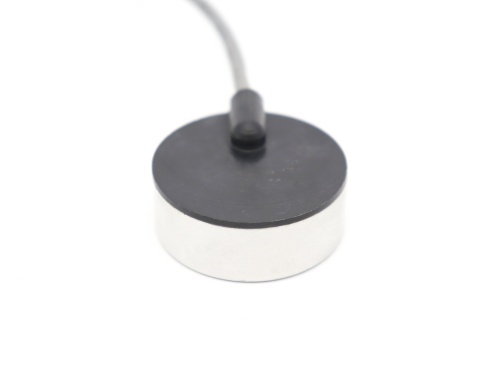
3. Structural Components – Support and Protection
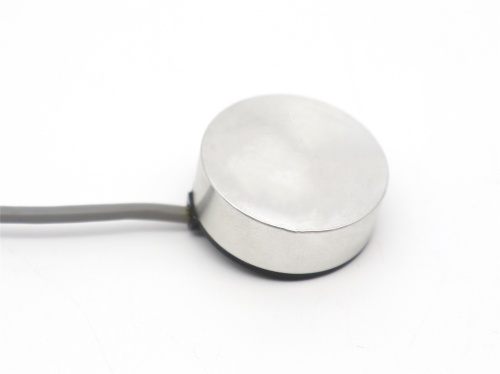
Structural components include the housing, radiating head (acoustic window), backing, sealing elements, and mounting flanges. They provide mechanical strength, pressure resistance, and watertight integrity. Depending on the operating depth and media corrosiveness, structural components can be made from stainless steel, titanium alloy, or engineering plastics (such as POM, PVDF). Proper structural design also suppresses backward radiation and improves the transducer's directivity.
4. Cables – Signal Transmission
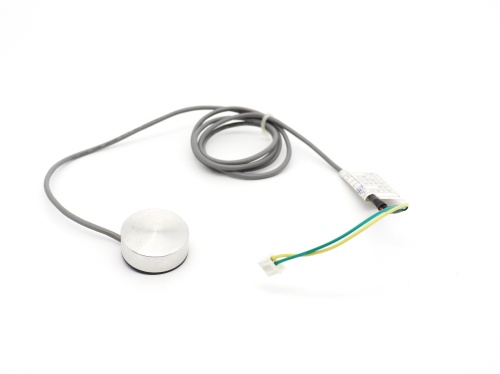
The cable transmits the weak electrical signals generated by the piezoelectric ceramics to a preamplifier or data acquisition system, while also delivering the transmit excitation signal to the ceramic. Dayu uses dedicated watertight cables that feature hydrolysis resistance, tensile strength, and shielding performance. The cable is connected to the housing via vulcanized or compression-type watertight connectors, ensuring leak-free performance even after prolonged immersion.
All four materials are indispensable: piezoelectric ceramics determine the fundamental performance, adhesives ensure acoustic and structural connections, structural components provide environmental tolerance, and cables enable complete signal integrity. Dayu Electronics strictly controls material selection and processing to provide users with stable and durable hydroacoustic transducer solutions. If you have specific material customization requirements for a particular environment, please feel free to contact us.