
Dayu Electronics: Key Parameters Required for Customizing Slurry Concentration Measurement Transducers
In the slurry processing of chemical, mineral processing, food, and environmental protection industries, concentration is a key process control parameter. Ultrasonic transducers are increasingly used for concentration measurement due to their non-contact and real-time online advantages. So, can Dayu Electronics customize transducers specifically for measuring slurry concentration? The answer is yes.
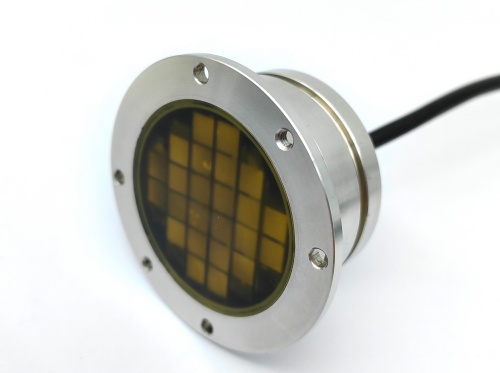
Recommended Solution: 2MHz + Signal Attenuation Method
For slurry concentration measurement, we recommend a transducer center frequency of 2 MHz. The measurement principle uses the signal attenuation method, which infers concentration from the degree of amplitude attenuation after ultrasound passes through the slurry. This solution has an important prerequisite: the concentration variation of the slurry must cause significant attenuation of the ultrasonic signal, and this attenuation must have a good correlation with concentration. Additionally, concentration changes should not primarily affect sound velocity (i.e., sound velocity changes little with concentration, or sound velocity changes can be decoupled from attenuation changes). If concentration changes in the slurry mainly cause sound velocity variations, the transit-time difference method is more suitable for concentration measurement; however, in this scenario, the attenuation method is the preferred choice.
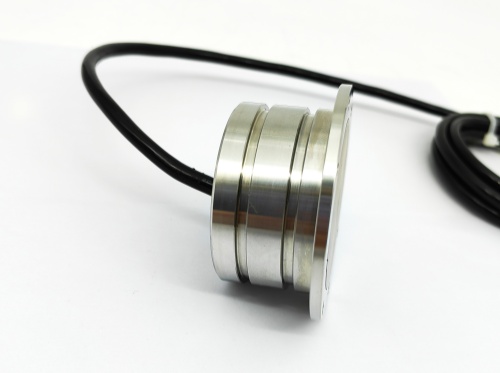
Three Key Environmental Parameters to Provide Before Customization
Due to the complex slurry operating conditions, to design a reliable and durable transducer, the customer needs to provide the following information:
Corrosiveness: Is the working environment corrosive? Does the medium contain acids, alkalis, salts, or other corrosive components? This will determine the selection of transducer housing, acoustic window, and sealing materials (e.g., PVDF, PEEK, 316L stainless steel, or special coatings).
Temperature Range: What is the minimum and maximum working environment temperature (in °C)? Temperature affects the performance of piezoelectric ceramics and structural sealing, so thermal stability requirements must be clarified.
Pressure Range: What is the minimum and maximum working environment pressure (in MPa)? High pressure may cause structural deformation of the transducer or failure of the piezoelectric elements, requiring a specially designed pressure-resistant structure.
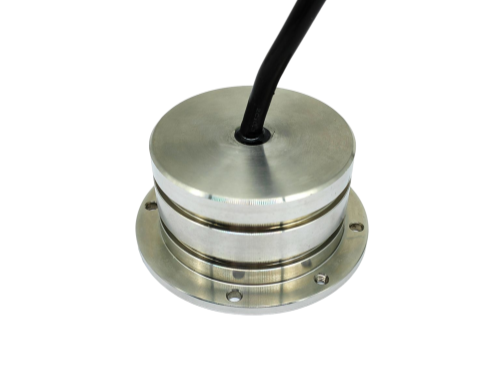
Based on the above parameters, Dayu Electronics will also optimize the transducer's radiating surface and matching layer according to auxiliary information such as particle size, viscosity, and bubble content in the slurry, ensuring the repeatability and resolution of the signal attenuation method in actual operating conditions. If you have customization needs for slurry concentration measurement, you are welcome to contact us with specific operating parameters. Dayu will provide complete support from transducers to measurement solutions.