
Dayu Electronics: Feasibility of Ultrasonic Level Meters in High-Temperature Tanks
In industrial process monitoring, level measurement under high-temperature conditions has always been a formidable challenge. Recently, we received a professional inquiry about whether Dayu Electronics' ultrasonic level meter can be applied in a tank where the bitumen temperature may reach 100°C. This touches upon a core physical boundary of ultrasonic measurement equipment reliability—operating temperature. Based on rigorous product characteristics and extensive application experience, Dayu Electronics provides a clear technical analysis and solution: ambient temperature is the decisive factor, and a correct installation approach is the key to success.
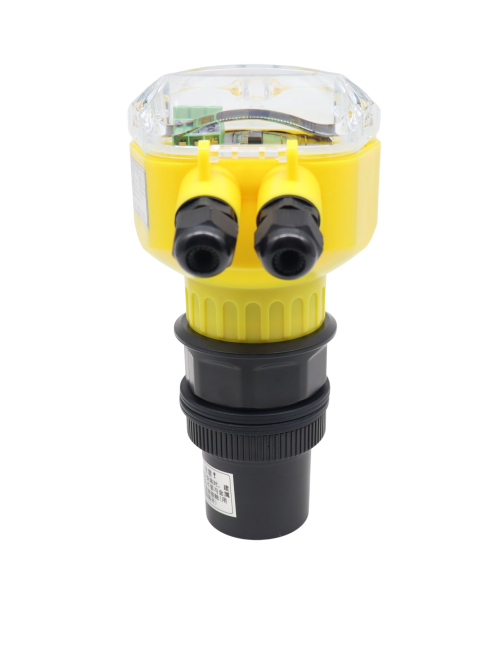
The standard ultrasonic level meter transducer from Dayu Electronics has a designed operating temperature range of -40°C to +80°C. This range is a scientifically determined interval that takes into account the performance of the internal piezoelectric ceramics, adhesive tolerance, housing material stability, and electronic component reliability. When the transducer probe body is exposed to temperatures exceeding +80°C for extended periods, the cumulative thermal effects accelerate material aging, induce internal structural stress changes, degrade performance, and can even lead to permanent damage. Therefore, ensuring that the ambient temperature at the probe location remains consistently below this upper limit is the primary prerequisite for long-term stable operation of the equipment.
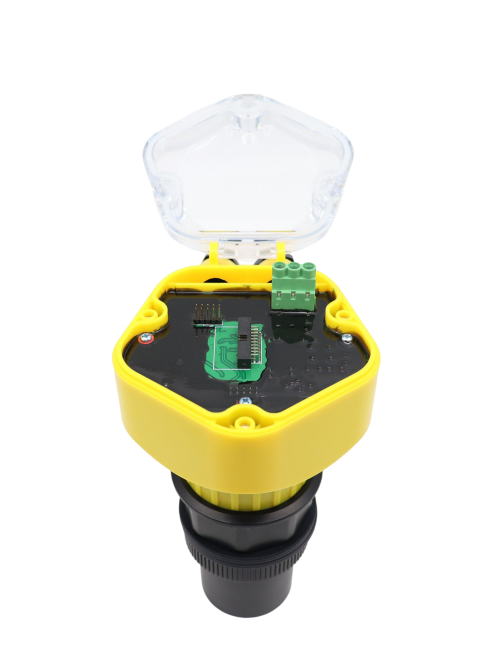
For the specific high-temperature application of bitumen (asphalt) storage tanks, the feasibility of using an ultrasonic level meter does not depend on the possible temperature of the medium itself, but on the temperature environment at the actual installation location of the transducer probe. This requires a case-by-case analysis based on the tank structure:
If the bitumen tank is open-top, the ultrasonic level meter is installed at the open top for measurement. In this case, the probe is not immersed in the high-temperature bitumen liquid but is located in the vapor space above the tank. Due to hot air convection and heat dissipation, the actual ambient temperature at this location can generally be maintained below +80°C. Under such conditions, the ultrasonic level meter is, in principle, applicable. However, given that high-temperature bitumen vapors may be present in the vapor space, we strongly recommend replacing the standard probe with a specialized polytetrafluoroethylene (PTFE) probe to provide enhanced corrosion resistance and temperature tolerance. PTFE offers excellent high-temperature resistance and chemical inertness, providing additional protection for the transducer in harsh vapor environments.
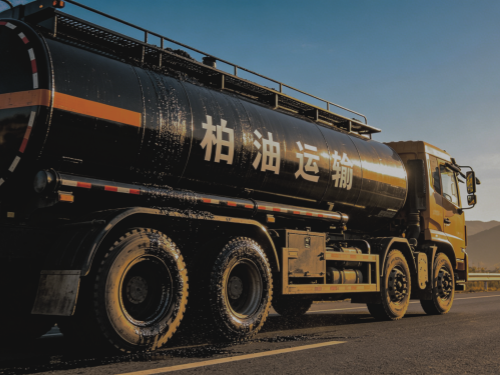
If the bitumen tank is closed, the ultrasonic level meter is installed via a top flange, and the probe extends into the tank. In a closed environment, the high-temperature bitumen medium and its saturated vapors will cause the space inside the tank to reach a uniform and extremely high temperature, which can easily exceed the +80°C safety threshold for prolonged periods. With this installation method, even if a PTFE probe is used, the internal piezoelectric ceramics and key components will still be exposed to temperatures above the allowable limit, posing a high risk of damage. Therefore, the ultrasonic level meter solution is clearly not recommended.
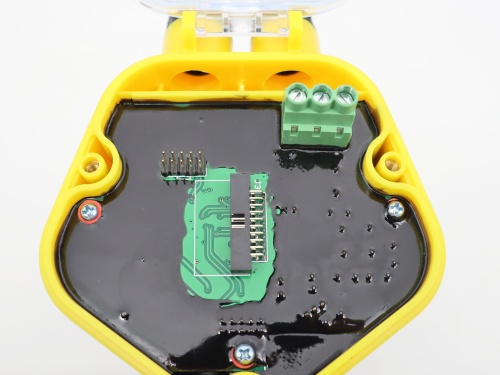
For closed high-temperature vessels, when the ambient temperature is confirmed to exceed the equipment's allowable range, the use of standard ultrasonic level meters should be avoided. Instead, alternative level measurement principles with higher temperature resistance, such as radar or guided wave radar, should be considered.
Dayu Electronics always adheres to professionalism and rigor. We not only provide high-performance products but are also committed to offering solution recommendations based on physical laws and long-term reliability. Accurate measurement begins with a deep understanding of and respect for every application boundary condition.