
Dayu Electronics: Why Underwater Transducers Should Avoid Prolonged Operation in Air
In long-term continuous operation scenarios such as river flow monitoring and hydrological observation, ultrasonic transducers serve as core sensing components whose reliability directly determines the success or failure of the entire system. A critically important yet often overlooked question in practice is: can a transducer designed for operation in liquid be powered and driven in air for extended periods? Based on in-depth acoustic physics research and extensive engineering practice, Dayu Electronics provides a clear and rigorous warning: yes, it can, but with severe consequences. Continuous driving of a liquid-immersed transducer in air will cause abnormal heat generation, easily leading to permanent damage, with the risk being particularly high for transducers with plastic housings. Understanding the thermal management principles behind this is key to ensuring long-term stable operation of the equipment.
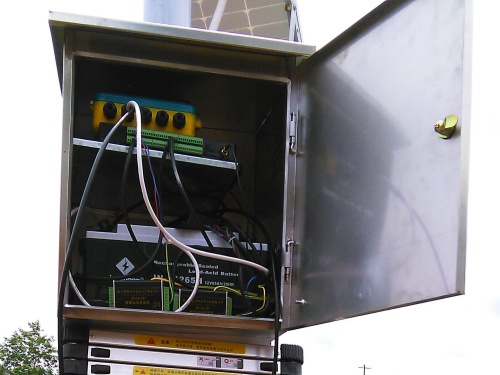
I. Fundamental Differences Between Water and Air
When a transducer operates normally in water, its driving electrical energy is converted by the piezoelectric ceramic into acoustic wave energy (mechanical energy) and radiated into the water. During this process, although a portion of the electrical energy is inevitably converted into heat, water—as an excellent thermal conductor with enormous heat capacity—can rapidly and continuously carry this heat away, keeping the transducer head temperature within a safe range.
However, once placed in air, the situation changes fundamentally. The thermal conductivity and specific heat capacity of air are far lower than those of water, and its heat dissipation capability drops dramatically. At this point, the heat generated by the transducer during operation cannot be efficiently conducted away and rapidly accumulates internally. The internal structure of the transducer—particularly the bonding layers between the piezoelectric ceramic and the housing or backing material—acts as a "poor thermal conductor," and the continuous accumulation of heat causes localized temperatures to rise sharply. High temperatures induce stress due to differences in thermal expansion coefficients of materials, soften or age adhesive layers, and ultimately result in cracking, debonding, performance degradation, or complete failure of the piezoelectric element.
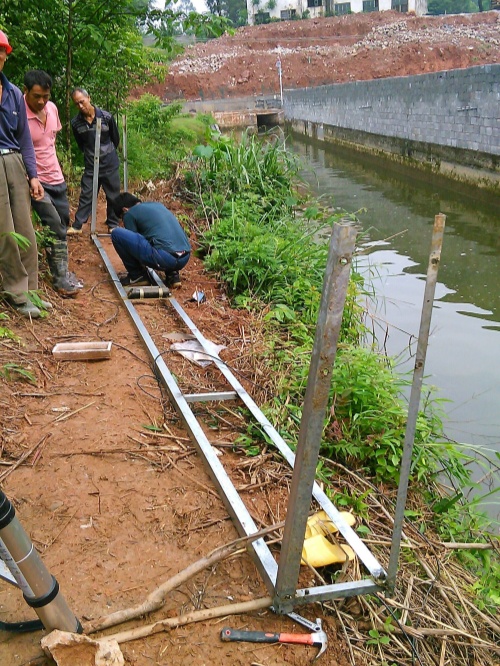
II. Pulsed Operation Mode: The Safe Operating Time Window
Although continuous transmission mode poses high risks in air, safe operation can still be achieved in necessary air environments (such as installation, commissioning, or short-term out-of-water testing) by strictly controlling the operating mode. The key lies in establishinga new balance between "heat generation" and "heat dissipation" on a time scale appropriate for the air medium.
Through rigorous testing and verification, Dayu Electronics confirms that, provided the driving voltage does not exceed the transducer's maximum withstand rating, safe air operation must follow these guidelines: use pulsed transmission and strictly maintain a ratio of "off interval time" to "single transmission time" greater than 10:1, while the single continuous transmission duration must not exceed 2.0 seconds.
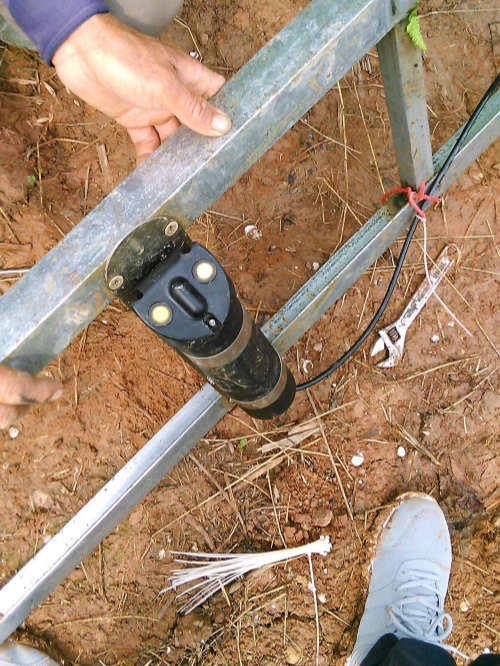
In this mode, the limited heat generated during a short transmission period (e.g., 1 second) can be partially dissipated through the housing surface to the ambient air via natural convection and radiation during the subsequent long interval period—more than ten times longer (e.g., 10 seconds)—thereby preventing heat accumulation to dangerous levels. Following the cycle of "transmit for 1.0 second, stop for 10.0 seconds, transmit for 1.0 second" is a model of safe operation.
III. Professional Recommendations and Summary
Dayu Electronics is always committed to providing customers with reliable products and professional technical support. We sincerely recommend:
1. Strictly prohibit driving liquid-immersed transducers in air using continuous wave (CW) or long-pulse modes.
2. When in-air power-on testing or commissioning is unavoidable, a strict pulsed operating mode conforming to the required ratio must be adopted, and the total operating time should be minimized as much as possible.
3. When designing the mounting structure, ensure that the transducer remains fully submerged in liquid under normal operating conditions.
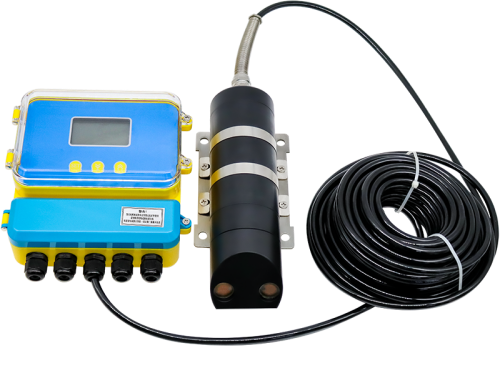
Understanding and respecting the laws of physics is the foundation for achieving optimal equipment performance and ensuring long-term reliable operation. Dayu Electronics is willing to work with you to pay attention to every technical detail, ensuring that every measurement is accurate, stable, and enduring.